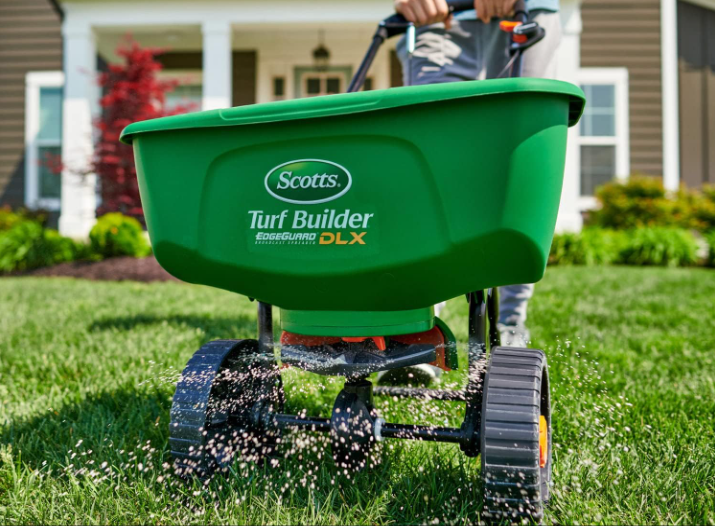
Feed Your Grass, Not the Guesswork: A Homeowner’s Guide to Pro-Level Lawn Fertilizing December 1, 2025 by Dave Smith Real lawn care starts with knowing how to feed it like a pro. Skip trial and error. You’ll learn about the best timing for cool and warm season lawns, how you can apply fertilizers to your lawn, and simple after-care that helps the nutrients to stick. With this guide, you’ll be able to build a calendar that reduces burnout, prevents runoff, and supports deep roots. Your greener, tougher lawn starts today. Table Of Contents Show How To Fertilize Your Lawn Like A Pro Understanding Lawn Fertilization: The Basics Choosing the Right Fertilizer for Your Lawn How to Determine Your Lawn’s Nutritional Needs Best Time to Fertilize Your Lawn: Seasonal Insights Step-by-Step Guide: How to Fertilize Your Lawn Like a Pro Common Mistakes to Avoid When Fertilizing Post-Fertilization Care: What to Do Next Lawn Fertilization Myths Debunked Organic vs. Synthetic Fertilizers: Pros and Cons Maintaining a Fertilization Schedule for Long-Term Health Conclusion: Achieving a Lush, Green Lawn Through Proper Fertilization How To Fertilize Your Lawn Like A Pro Healthy lawns don’t come as a result of guesswork. They come from giving the right nutrients at the right time. Before you start with fertilizing your lawn, you need to always do a quick soil test and create a plan that matches your grass type and the current season. Start by feeding your lawn with the correct amount of N-P-K, then water lightly to help the granules settle, and avoid heat waves. When fertilizing your lawn it is best to mow high and sweep stray pellets off sidewalks to protect roots and waterways. Consistent feeding helps to build deep roots, color, and stress resistance so that you end up having a lawn that is lush green. Understanding Lawn Fertilization: The Basics Get comfortable with the basics so that your grass gets what it needs. There are some basics you need to know about lawn fertilization before you get started. Fertilizing a lawn is all about feeding the turf with the right blend of nutrients necessary for optimal growth. It’s also important that you know about NPK fertilizer. This refers to nitrogen (N), phosphorus (P), and potassium (K), which are the big three that play different roles in ensuring that you have a healthy turf. A number of factors influence the nutrient needs of your lawn. The grass type is one. Cool and warm season grasses usually have different nutritional needs. Also, the soil type matters. Sandy soils usually require more frequent applications of fertilizer as compared to clay soil. The climate also has a big role to play in determining the nutrient needs of your lawn. Author’s Note: Check out our post Understanding Fertilizer Labels For Lawns Made Easy for more details on decoding NPK ratios on fertilizer packaging. Choosing the Right Fertilizer for Your Lawn If you want to achieve the best results, you have to ensure that your fertilizer choice matches your lawn goals and maintenance style. To choose between granular and liquid fertilizer, you have to consider that granules are usually more suitable for even and longer feeding, while liquids are preferred when you need a quick tune up or refresh. See also Summer Lawn Feeding Schedule: Heat-Safe Rates & TimingSlow release fertilizers usually take their time and feed your grass over a longer period, while quick release fertilizers give fast color. Organic lawn fertilizers work by building the soil as microbes unlock the nutrients for your grass. On the other hand, synthetic lawn fertilizers deliver plant-ready food sooner. How to Determine Your Lawn’s Nutritional Needs You need to know exactly what nutrients your grass needs before you go ahead and choose a fertilizer. Start by taking a portion of your soil and sending it for a lab test which will show what nutrients are present and what nutrients are missing. You can also make use of a pH test on your lawn to check if there’s any acidity that is currently limiting nutrient availability. Measure your soil pH first and your lawn will thank you laterFound On Amazon Most turfs tend to perform best when the pH is closer to neutral. Once you have gotten your soil test results, go through it to know the exact fertilizer you need and also look out for any recommendations. There are some signs of nutrient deficiency you should look out for on your lawn. These include a uniform pale green which may be as a result of low nitrogen, or interveinal yellowing which may suggest iron issues. Author’s Note: Check out the more accurate Mail-in Lab MySoil Soil Test Kit or the Convenient At-Home Rapitest Soil Test Kit for diagnosing nutrient deficiency and preparing your soil for the planting season! Best Time to Fertilize Your Lawn: Seasonal Insights Over time, it has been discovered that cool season lawns tend to respond best to late summer into fall feeding, which is why creating an appropriate schedule for your fertilization during fall is a lot more important than any single spring pass. You can fertilize your lawn during spring sparingly for green-up and then allow the cooler weather to carry deeper rooting. Keep in mind that the local climate and rain patterns actually decide when you should fertilize your lawn. Avoid any applications before a downpour and water-in just after light showers. As previously mentioned, cool season and warm season grasses usually have different requirements. For example, warm season grasses tend to prefer nutrients in late spring and throughout summer warmth. Step-by-Step Guide: How to Fertilize Your Lawn Like a Pro A broadcast spreader like this gives you precise control, row by perfect rowFound On Amazon It’s important that you mow your lawn a few days earlier and clear any debris. This will make sure that the surface is even before you start applying your fertilizer. Next, adjust the knob to the correct settings on the lawn fertilizer spreader and then walk in even lanes across your yard. See also How To Choose The Right Pot For Your PlantsFollow it up with a perpendicular pass so that your fertilization is able to cover every inch and no spots are missed out. Once you are done, get your hose, turn it on, and then water your lawn so that the granules are able to dissolve into the soil rather than just sitting on top of it. Common Mistakes to Avoid When Fertilizing There are a number of mistakes you should try your best to avoid when fertilizing your lawn. The first one is feeding ahead of a downpour which risks runoff, wasted money, and a stressed yard. It’s best to hold off on drought-tired turf since salt can linger on blades and lead to burning of the grass when fertilizer is applied. A number of signs usually show up when you over-fertilize your lawn. These include streaks, yellowing, and brittle leaf tips. After you have performed a soil test, build a plan around it, and then use the product label for rates, spreader settings, and watering instructions so that your fertilizer application remains as safe as possible for your lawn. Post-Fertilization Care: What to Do Next Your job does not end the moment you finish applying the fertilizer. Grass that has just been fed usually likes gentle moisture, because it helps to activate nutrients without causing runoff. So it’s important that you plan your watering schedule properly after fertilizing. A little water after feeding helps your lawn soak in the goodness Another way you can maintain your lawn health after fertilizing is by keeping feet, pets, and equipment off the yard until the granules are able to settle. This will help prevent stripes and hot spots from forming. You should hold off on mowing so that the application can absorb cleanly. Also, save core work for later because fertilization usually works best when aeration is done beforehand. Finish up your lawn care after fertilizing by mulch-mowing, as clippings help to return nutrients back to the soil. Lawn Fertilization Myths Debunked There are a number of myths about lawn fertilization, and it’s important that we set the records straight and clarify them. First, more fertilizer does not always mean better results. In fact, excess granules can scorch your turf and then wash into drains after the rain. Another common lawn misconception is that any fertilizer can work on any grass. This is also not true, as different grasses usually have different needs. And if you’re wondering if organic fertilizer is always better and can’t harm the environment, then that isn’t true, because over-application of these fertilizers can still pollute water with nitrogen and phosphorus. See also Seasonal Gardening Routines & Planning Tips: Spring Planting Checklist for Year-Round SuccessOrganic vs. Synthetic Fertilizers: Pros and Cons The choice between organic and synthetic starts with your soil’s needs If you are trying to choose between organic and synthetic fertilizers for your lawn, it often comes down to speed and staying power. Synthetics are usually able to green up fast and are also easy to measure. However, they can stress your roots if they are over applied. The pros of organic fertilizers are usually seen in better soil life and crumbly structure. However, these results tend to appear gradually. To care for your lawn in the most eco-friendly way possible, match the nutrients to the results from a soil test. Make use of synthetics to quickly correct any visible deficiencies and rely on slow-release lawn food to maintain even feeding all through the season. Author’s Note: Check out our post Best Organic Lawn Fertilizers for Lush, Healthy Grass: Natural Solutions for a Greener Lawn for an in-depth look at choosing the right products. Maintaining a Fertilization Schedule for Long-Term Health Draw up a lawn fertilization schedule that aligns with your grass type, the local climate, and your soil test results. If you have a cool season lawn, it should get fed in late summer and fall, while a warm season lawn prefers late spring through summer. Have a yearly lawn care calendar and put dates on it so that your feedings can land during the active growth stage, and not during periods of peak heat or dormancy. The lab reports of your soil will ultimately determine how often you have to fertilize your lawn. Once that has been determined, then split the applications to keep the growth steady. This eventually becomes a long-term lawn care plan that holds up over time. Conclusion: Achieving a Lush, Green Lawn Through Proper Fertilization It is possible to achieve a healthy lawn with good fertilizing habits. You should feed on a regular schedule, mow at a consistent height and water deeply so that the roots are able to stay strong. These are tips that will help to keep your lawn healthy all through the season. You can build a simple calendar from this lawn fertilization guide to help tie everything together and prevent any guesswork. Following the tips in this article consistently will help you achieve professional lawn results at home. Pick one fertilizing technique from this article and share your progress in the comments below! Article By Dave Smith Hi, thanks for stopping by! I’m a lifelong lawn and garden enthusiast with a passion for making outdoor living simple, beautiful, and achievable. Interestingly enough, what started out as a chore became a passion! Now, with my hands-on experience in lawn care, planting, landscaping, and sustainable gardening, I love helping others create outdoor spaces they can truly enjoy. Let’s dig in and create something amazing. This article may contain affiliate links (disclosure policy).




 Skip to content