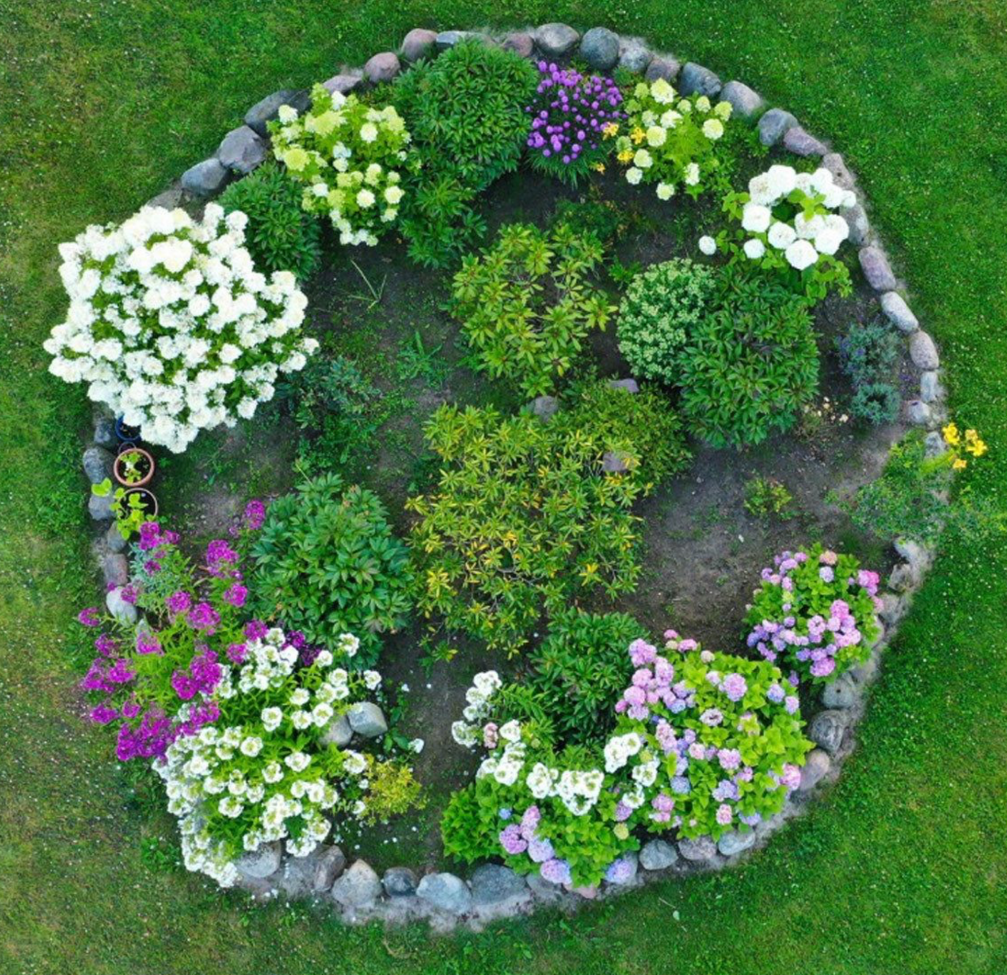
Inspiring Garden Bed Layouts to Transform Your Outdoor Space January 18, 2026 by Dave Smith Unique garden beds add visual appeal to your outdoor space Are you looking for garden design inspiration that transforms your outdoor space from a basic one to a personalized haven? Did you know that you can use shapes to bring your creative garden layouts to life? Beyond beautifying your outdoor area, these shapely garden bed layout ideas are also genius ways to maximize compact spaces. In this guide, you’ll learn how to be creative and smart with your outdoor garden planning. It contains tips on creating thoughtful garden bed layouts to enhance aesthetics and productivity. So, let’s start with a summary of the ways this upgrade would benefit you. Table Of Contents Show Benefits of Planning Your Garden Bed Layout Raised Bed Gardens In-Ground Garden Beds Vertical Garden Ideas Wall Planters Trellises Hanging Baskets Rectangular and Square Layouts Circular Garden Beds L-Shaped and U-Shaped Designs L-Shaped Design U-Shaped Design Companion Planting Basics Color and Texture Considerations Seasonal Planting Strategies Tips for Maximizing Space in Small Gardens Incorporating Native Plants Organic Gardening Practices Maintenance and Care for Your Garden Layout Conclusion: Finding the Best Garden Bed Layout for You Benefits of Planning Your Garden Bed Layout Planning your garden bed layout before building saves times and boosts productivity Everyone with a fantastic outdoor bed layout starts by understanding basic garden planning benefits and tapping into them. As a beginner, study these garden layout tips and use them to optimize your outdoor area. Time Saving Hacks: Planning your garden bed before planting saves time because you won’t have to fail and make corrections in real time. The layout design would already cover every possibility and reduce the risk of mistakes. Improve Plant Health: Create a garden layout that supports plant health by using companion planting, providing supports, and ensuring easy access for periodic maintenance. Boost Productivity: Designing your garden layout for optimal access to basic nutrients like light, water, and air, with a practical and working drainage system, will ultimately improve garden productivity. Improves Aesthetics: Having organized garden beds gives your garden a visually stunning outlook. Now, let’s plan your outdoor garden bed layout to optimize the flow for overall success. Raised Bed Gardens Raised bed gardens are a classic planting support structure One of the most common space-saving outdoor designs is the raised garden beds technique. When you think of the raised bed advantages, you’d understand why it’s so popular. Raised bed gardens use elevated containers with layered soil mixes to prop up plants. With this elevated gardening style, you can provide better drainage for your plants, improve soil control, and give them easier access to resources like water and fertilizers. You can make DIY raised beds in various shapes and with a range of materials, from regular plastic containers to rubber tires and wooden crates. See also Garden Sun Map: Track Light & Place Beds for GrowthIn-Ground Garden Beds You can never go wrong with in-ground garden beds in large areas If you have the area and facilities for a traditional garden layout, then stick with classic in-ground planting. With in-ground garden beds, you’ll grow plants with deeper root development and better moisture retention. You must, however, prepare yourself for the demands of deep-root gardening and soil-based planting. To avoid competition and ensure that your plants grow to their fullest potential, experiment with geometric patterns such as rows and columns. Also, use clusters and companion planting to harness the natural beneficial relationships between plants. Vertical Garden Ideas Vertical planting is a visually stunning, space-saving gardening technique ideal for compact areas. With vertical gardening supports, you can grow your plants upwards regardless of their natural patterns, especially with creepers and crawlers. Vertical supports include wall planters, trellises, and hanging baskets. Wall Planters Wall planters allow you to explore themed outdoor garden ideas You can explore different shapes and textures with your wall planter design, whether it’s a classic wooden wall mount or a standalone structure holding small pots. Trellises Trellises work best outdoors especially for signposts and pathways Explore trellis garden ideas for wall-climbing plants to beautify your garden pathways and outdoor space. With trellises, you can also experiment with shapes and textures from basic DIY stick structures to advanced steel shapes. Hanging Baskets Hanging plant baskets add charm to your outdoor space The beauty of hanging baskets is how they can also double as wall mounts for an eclectic artistic display. Or, you can prop them as standalone plant holders. Rectangular and Square Layouts Structuring works best with four-cornered layouts If you favor structure in your space, you’d appreciate a square garden layout. This style of grid gardening provides a perfect base for a formal layout, and as your garden evolves, you can break through the lines to add more advanced shapes, such as curves, diagonals, and centerpieces. With classic, easy garden shapes like squares and rectangles, setting up a perimeter is simple. Use rectangular garden beds for straight paths and gridded zones, while square beds let you create a focal point with equal zones. Add circular layouts to soften the sharp edges of these four-sided zones. Circular Garden Beds Circular garden layouts add softness to your landscape so use them for flowering plants Adding round garden beds to your layout also supports focal planning, but is much softer than the structured shapes of squares and rectangles. Use round garden supports, such as spokes, concentric rings, fountains, and planters, to highlight your garden’s focal point. Some circular garden ideas that promote natural flow in your landscape include contrasting your circle layout with themed sections, plants with different growing patterns from tall plants to shrubs and spillers, and finishing the layout with edgers. Here are some suggestions for your curved garden design layout: Add texture with gravel paths. Use vegetables as borders. Add tiered structures for height. Use pavers to create sections. See also Seasonal Gardening Routines & Planning Tips: Spring Planting Checklist for Year-Round SuccessL-Shaped and U-Shaped Designs L-Shaped and U-Shaped layouts are ideal for privacy A unique, underappreciated, and accessible garden design layout is the U- and L-shaped structure. These designs are the best for maximizing corner spaces, especially when you host guests outdoors. Here’s how you can incorporate corner garden ideas into your space. L-Shaped Design Set up an L-shaped garden bed to create contrasting zones for a garden-to-table experience or a themed aesthetic. You can add a wall on the shorter side as a privacy screen and turn that section into your personal spot, like a reading nook or a small vegetable garden. U-Shaped Design In a U-shaped garden layout, you can easily create a private growing space, such as a compact vegetable garden with raised beds, or a surrounding green space with a central hub. Finish the design with a focal point at the center, with your plants surrounding it along the U curve. With these unique shapes, you can section your plants into groups and create easy access points from multiple sides. Companion Planting Basics Strategically pair plants for optimal yield harvest and flavorful fruits Understanding the basics of companion planting will help you optimize your garden layout. Planting beneficial plant pairs in one bed boosts growth, enhances pest resistance, balances the ecosystem, and even improves the flavor profile of fruits and vegetables. Some pest-repelling plants include: Basil for tomato flies Lavenders to repel moths Marigolds against vegetable aphids Mint against ants Adopt other garden synergy tips like layering tall and short plants, mixing flowers, herbs, and vegetables in one garden, using a symmetric layout for adequate spacing and strategic planting, like growing herbs around garden beds to maximize yield and improve your layout. Color and Texture Considerations Mix different foliages and flowering plants for a visually stunning landscape There’s an art to mixing textures, shapes, and plant types that goes beyond having aesthetic colorful garden beds. You can start with basic garden color planning, arranging plants based on their appearance. You can have a monochromatic theme of similar shades in one garden, go for contrasting shades or explore different palettes based on seasonal aesthetics. Explore plant-texture ideas by mixing fine foliage, such as ferns and maples, with mid-sized and coarse leaves, such as hydrangeas and agaves. Other landscape design tips, like layering and color scheme coordinations will also create visual impact in your garden, so get creative. Seasonal Planting Strategies With seasonal planting strategies you’ll get a year-round bloom Follow a seasonal planting guide that encourages crop rotation and teaches you how to use seasonal planting cycles to keep your beds productive all year-round. This year-round gardening hack is functional and aesthetically beneficial because it optimizes your landscape by picking plants based on their peak blooming seasons. Learn the difference between cool-season and warm-season crops before you start seasonal garden planning so that you can adopt crop rotation ideas into your routine like a professional. See also Garden Design For Pollinators and Wildlife: Creating Vibrant Ecosystems at HomeTips for Maximizing Space in Small Gardens Plant each seed a square foot apart from each other To maximize garden space use smart small-space strategies like square-foot gardening, vertical planting supports like trellises, and stackable planters. Square-foot gardening is a system that uses one square foot per plant to achieve high yields. Scroll up for tips on using trellises, while stackable planters are unique-shaped structures for planting multiple varieties in different holes to save space. Any of these small garden ideas is ideal for a tiny garden layout thanks to their efficient spacing and practical support for growth. Incorporating Native Plants Native plants are low-maintenance species Do you want to make an eco-friendly garden design layout? If you’re looking for low-maintenance plants that often require fewer resources, like water and minerals for growth, then native species are your best bet. With native plant gardening, you’ll grow resilient plants that can survive and thrive in your local climate because they were meant to be there. Because they use fewer resources and require minimal maintenance, native plants are ideal choices for keeping sustainable garden beds. Organic Gardening Practices Composting replenishes lost nutrients in the soil organically When you complete your garden design layout, it’s up to you to maintain its structure and beauty using these organic gardening tips: Rely on compost-based soil improvement, not chemicals, for longer-lasting results. Use natural pest control, such as companion plants with natural deterrent scents and growth patterns. Add soil-building techniques such as no-tilling, cover cropping, and mulching to improve long-term garden health. Having an organic garden layout keeps you from needing harmful chemicals. Maintenance and Care for Your Garden Layout Regular maintenance practices like mowing, watering, and weeding ensure longterm health Finally, stick to your regular garden care routine for all layouts to keep your plants healthy and blooming. These healthy garden tips include watering, weeding, fertilizing, and seasonal refreshing through crop rotation and weather protection. Make your garden maintenance routine periodic to monitor plant health and adjust your layout as needed. With basic care practices, you can achieve an easy garden upkeep system. Conclusion: Finding the Best Garden Bed Layout for You As we close this guide, you must understand that garden layout planning is about tailoring a design to suit your needs. When you make a personalized garden design, you can optimize your available area without having to rework or rebuild existing structures. Use the creative gardening ideas and techniques listed in this guide, such as vertical planting and companion planting, to match your planters to your space, goals, and personal style. When you build your garden, experiment with shapes, structures, and sustainable practices to get a unique final look. Article By Dave Smith Hi, thanks for stopping by! I’m a lifelong lawn and garden enthusiast with a passion for making outdoor living simple, beautiful, and achievable. Interestingly enough, what started out as a chore became a passion! Now, with my hands-on experience in lawn care, planting, landscaping, and sustainable gardening, I love helping others create outdoor spaces they can truly enjoy. Let’s dig in and create something amazing. This article may contain affiliate links (disclosure policy).




 Skip to content