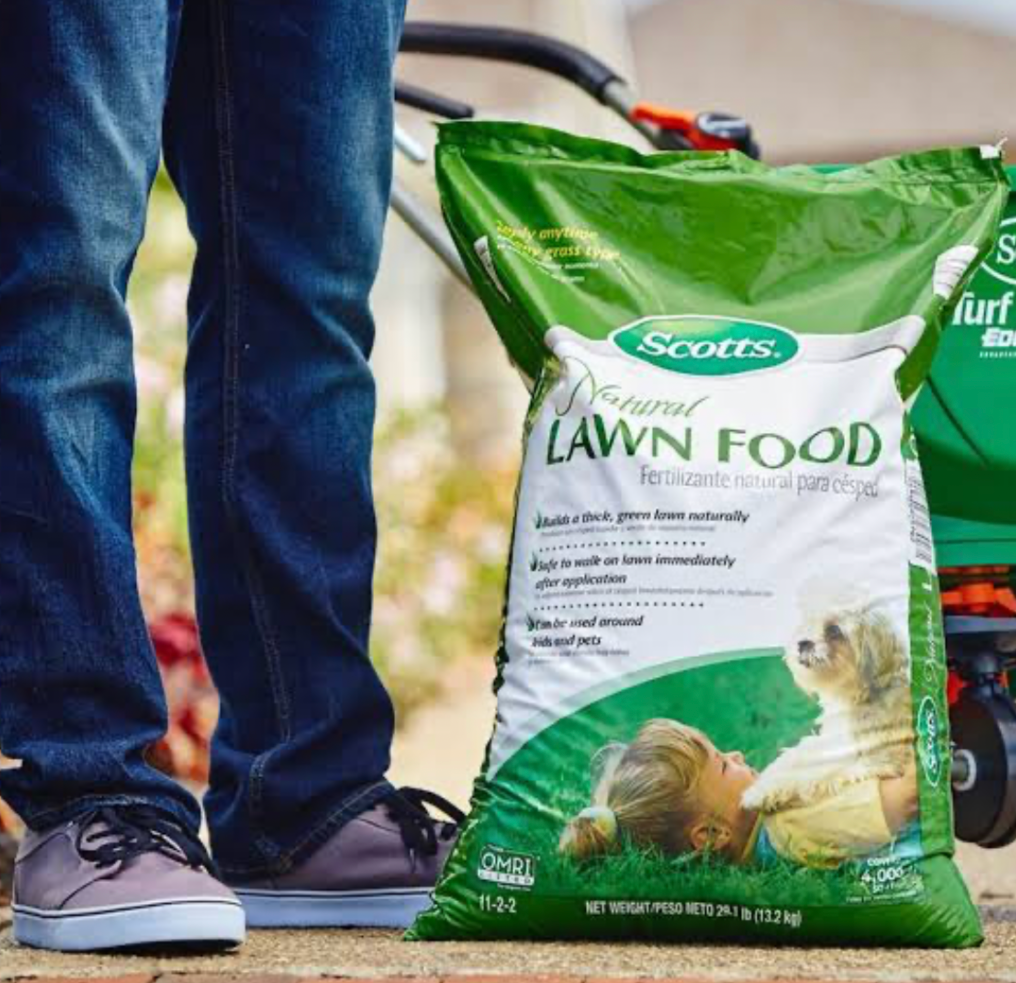
Best Grass Varieties for Pet-Friendly Lawns That Stay Green and Durable February 8, 2026 by Dave Smith Choosing the best grass for your pets influences their overall well-being and outdoor experience Did you know that not all grass types are suitable for pet owners? You need a durable lawn grass that can withstand high pet activity and has strong regenerative capacity without causing allergic reactions. If you want the best grass for dogs, cats, and any other house pet you may have, then this guide is for you. You’ll see a list of pet-safe grass varieties suitable for all seasons, along with tips for maintenance and guidance on selection. When you choose a pet-friendly lawn grass, you create a safe, durable, and low-maintenance environment that supports your active pets and keeps your turf healthy year-round. Table Of Contents Show Importance of Choosing the Right Grass Varieties Key Traits of Pet-Friendly Grass Tolerance Soft Texture Quick Regrowth Drainage Popular Grass Varieties for Pet-Friendly Lawns Kentucky Bluegrass Perennial Ryegrass Tall Fescue Bermuda Grass Zoysia Grass Climate and Region Considerations Sunlight and Shade Tolerance Durability and Wear Resistance Mowing Practices for Pet-Friendly Lawns Fertilization and Soil Health Pet-Safe Pest Control Solutions How to Introduce New Grass to Your Lawn Creating Safe Spaces for Pets in Your Yard Conclusion: Building a Lawn That Supports Pets and Plant Health Importance of Choosing the Right Grass Varieties Your pet’s comfort should be a priority when choosing a grass type You may wonder why something as basic as choosing lawn grass requires so much attention and care, and that’s alright. You see, grass type directly impacts your lawn’s durability, but it also influences pet safety, recovery speed, and long-term maintenance. Here are some reasons you should make an impeccable pet-friendly grass selection: with a dog-safe lawn grass, the nitrogen from their urine won’t cause damage such as yellowing, browning, or patches. It also features softer textures and non-allergenic materials, making it comfortable for your pets. Besides being fantastic for your pets, grass for high-traffic lawns also prevents soil compaction and has rapid repair capacity. Now, let’s look at key traits you must look for to identify a pet-friendly grass. Key Traits of Pet-Friendly Grass Pet-friendly grasses are wear-resistant with soft leaves and fast growth tendencies There are essential characteristics that’ll let you know you have durable grass for pets, including wear-and-tear resistance, softness under paws, quick regrowth, drainage, and tolerance to pet activity. Tolerance Firstly, you need a grass with high wear tolerance, because having pets and people constantly moving is a major cause of thinning grass and soil compaction. You need a grass type that won’t easily uproot from movement and has a quick recovery capacity, even when that happens. Soft Texture Get soft grass for dogs to ensure their paws stay safe and comfortable when they play on your turf. Quick Regrowth Grass that repairs itself quickly is best for pets, so you wouldn’t have to worry about growth from patches. Drainage Proper drainage is necessary for pet-friendly grass because it reduces the possibility of lingering odors from pee and poop, prevents waste buildup, and maintains your turf’s quality over time. Now that you can identify essentialpet-safe turf traits, it’s time to review some popular pet-friendly grass varieties. Popular Grass Varieties for Pet-Friendly Lawns Choosing grass for active dogs,cats, and other house pets is about prioritizing their safety while selecting visually appealing varieties. See also Grass Seed for Different Lawn Types: A Practical Guide for Healthy, Climate-Ready LawnsSo, Bermuda grass, Tall Fescue, Zoysia, Kikuyu, and Kentucky Bluegrass are some of the most popular pet-friendly grass types. They’re reliable dog-friendly turf options because of their resilience under heavy traffic and aesthetic appeal. Here’s a closer look at the best lawn grass varieties for your pets. Kentucky Bluegrass Kentucky Bluegrass is soft on paws and has a vibrant, rich green shade Choose Kentucky bluegrass for pets if you want a grass type that’s soft, rich in green color, and has a self-repairing growth habit. It’s most active in the cooler seasons, like winter and fall, making it a cool-season lawn grass. Kentucky bluegrass withstands heavy traffic from human feet and pets and has a regenerative capacity thanks to its active underground rhizomes. It’s also a soft lawn grass that is gentle and soothing on your pet’s fur. This grass type takes time to germinate and is high maintenance after growth, but it’s worth the hard work. So, if you want a safe, non-toxic option that’s aesthetically pleasing, invest in durable bluegrass lawns. Perennial Ryegrass Perennial ryegrass lawns have quick repair capabilities With a perennial ryegrass pet lawn, you won’t worry about urine damage or paws and body injuries because of its inherent components. Perennial ryegrass is a suitable high-traffic grass due to its rapid recovery from damage. This fast-growing grass for dogs and other pets provides lush cushions and comfort with its dense yet sift blades. If you want a fast-growing grass type with excellent repair ability and underfoot comfort, then get a perennial ryegrass lawn. Tall Fescue Tall Fescue is a suitable transition region grass type If you’re looking for a drought-tolerant grass with deep roots and strong tolerance for heavy wear from pets, then Tall Fescue is the answer. It’s a durable fescue grass that grows tall blades and a deeper root system, which comes in handy for water retention and resilience against foot traffic. With a tall fescue pet lawn, you’ll be able to manage drought and high activity better. So, if you need a suitable grass for dog urine resistance without triggering an allergic reaction, the Tall Fescue is a suitable choice, but note that it grows in groups and needs consistent overseeding for regrowth. Bermuda Grass Bermuda is heat-tolerant but thrives in shade If you live in a warm climate environment, you’d need a pet-friendly warm-season grass type for your turf. Use Bermuda grass for dogs, cats, bunnies, and other pets because of its dense growth, rapid recovery, and excellent durability. Bermuda is a heat-tolerant lawn grass that requires moderate shade, unlike Zoysia, which thrives in full sunlight. It stays green during droughts and has rhizomes and stolons for quick recovery in case of damage. To maintain this high-traffic turfgrass, you need sun exposure and consistent mowing to keep its tall blades at a safe height. Be careful when choosing this grass type, because its leaves can sometimes be stiff and too prickly for sensitive, active pets. Zoysia Grass Zoysia spreads rapidly with dense leaves What makes zoysia grass pet-friendly? It’s a thick turfgrass that thrives in southern climates due to its heat tolerance. It also has a soft texture that’s gentle on pets’ paws and spreads rapidly during initial growth, which makes it a low-maintenance lawn grass. Although this grass type isn’t completely resistant to urine, there are other zoysia lawn benefits worth considering. See also Lawn Grass Care Tips By Variety: Seasonal, Smart Maintenance for Every Turf TypeZoysia is tolerant of pet urine when you wash the area immediately. It withstands rough play, has a thick texture, is weed-resistant, has moderate shade tolerance, and strikes a balance between comfort and durability. Climate and Region Considerations Choose th best grass type for your region Choose your pet’s grass by climate zone to ensure easy maintenance by leveraging its natural growth habits. When making regional lawn grass selection, you must consider the regional temperatures, rainfall, and seasonal extremes that’ll affect its performance and compatibility with your pets. This is where a pros and cons list of cool vs warm season grass would come in handy. Cool-Season Grass Warm-Season Grass Cold and Wet climates Hot and Dry climates Resilient with deep roots Drought-resistant High-traffic environmentHeat-tolerant Here’s a quick tip to use for climate-based lawn planning: Zoysia and Bermuda are warm-season grasses. Perennial ryegrass is a cool-season grass. A blend of Tall Fescue and Kentucky Bluegrass is ideal for both seasons. Keep reading for more factors that affect grass performance and pet-lawn compatibility. Sunlight and Shade Tolerance Note the amount fo sunlight your grass type needs for proper growth Sunlight exposure influences grass survival because all plants need photosynthesis, chlorophyll, and root development to grow, but each lawn’s sunlight requirements differ based on the plant type. For full-sun plants, sunlight provides energy and greenness through chlorophyll, and deep root systems for high traffic. Examples of full sun grass varieties for your pets include Bermuda and St. Augustine. Shade-tolerant lawn grasses, such as Tall Fescue and Zoysia, often have dull green color, thinner leaves, and sparse growth. If you have partial-shade turf, you should get Zoysia or Tall Fescue, which are adaptable and form dense foliage in low-light conditions. Durability and Wear Resistance Active pets often cause wear and stress on the grass When you have pets, planting a wear-resistant grass for your turf becomes a necessity, not an option. The tough lawn grass would withstand your pet’s high activity without being harmful or problematic, such as causing allergic reactions or injury. It’s not fun restricting your pets from playing, digging, and running freely across the lawn, even when it’s for their safety. But when you plant resilient turf grass, you won’t worry about uprooting grass leaves or pulling out splinters from your pet’s body. That’s why recovery speed, root structure, and wear ratings matter when choosing grass for heavy pet traffic. Mowing Practices for Pet-Friendly Lawns Mow no more than ⅓ of your grass to avoid stress Mowing pet-friendly lawn grass has different requirements than regular turf because you’re aiming for aesthetic appeal and suitability for your pets. Before you start mowing, sharpen your mower blades for a clean and precise cut. Adjust your grass-cutting height to about 2.5-3.5 inches above the ground to keep the grass taller and stronger. But be careful not to ignore healthy turf mowing practices like ensuring you only cut ⅓ of your grass’s blades. Maintain proper mowing height, sharp blades, and a consistent mowing frequency to help lawns recover quickly from pet activity. Keep reading for more pet-friendly lawn maintenance tips. Fertilization and Soil Health Use pet-safe fertilizers to avoid allergic reactions Fertilization is a major part of boosting soil health for turf grass, so you must choose a pet-safe lawn fertilizer for this purpose. See also Perennial Ryegrass For Lawns: Fast-Growing, Durable, and Lush Green Turf GuideThe ideal fertilizer with pet-safe lawn nutrients is an organic mix. It supports grass health while protecting pets from the harmful chemicals commonly found in most commercial fertilizers. Natural weed killers, plant-based, compost, and manure-based fertilizers are some organic lawn care products you can use for this purpose. Pet-Safe Pest Control Solutions Fencing and homemade weed as pest control are safe for your dogs Speaking of pet-safe pest control, you’ll have to dig into your elementary gardening skills for this one. DIY natural lawn pest treatment is your best option for safe deterrence that doesn’t expose your pets to harmful substances. Some eco lawn solutions include using chemical-free lawn care products, such as essential oils, low-toxicity options like diatomaceous earth, attracting beneficial nematodes, and building physical barriers, such as fences, to keep large pests out of your turf. How to Introduce New Grass to Your Lawn During recovery from damage, use these grass establishment tips for swift and lasting repair. When you see a patch, overseed the bare spot for new growth in that area. Overseeding pet lawns is the same as regular turf. Start by clearing the area of weeds and any other debris, then loosen any compaction with an aerator. Prep the soil by watering it at least 1 day before overseeding. You can support the seeds with starter fertilizer, depending on how bare the spot is and the grass type’s growth rate. Broadcast your seed onto the prepped soil and cover it with mulch. Finally, note that planting new grass requires patience and consistent care, such as frequent, scheduled watering and waiting until it is 3 inches above ground before mowing the lawn. Restrict your pet’s access to the turf during this lawn grass installation stage until the new growth takes deep root. Creating Safe Spaces for Pets in Your Yard Square off an area of the lawn strictly for your pets A top-notch pet-friendly yard design that blends function and style would amplify your efforts. Create designated zones for every activity to ensure a safe outdoor space for pets. Map out a play area, potty area, garden zone, lounge/dining area, shaded areas, and pathways to each zone for efficiency. You can also incorporate lawn protection tips, such as watering their urine spots immediately after they pee, reinforcing the turf with safety mesh, and fencing off restricted zones. Some dog play area ideas for safe, aesthetic lawns include adding a playpen and a doghouse, setting up swings and obstacle courses, creating pathways to the pet toilet area, and fitting all of these within a fenced area. Conclusion: Building a Lawn That Supports Pets and Plant Health Whether you’re in a northern or southern region, you can have the best grass for pet lawns and maintain it successfully when you follow the tips in this guide. In the south, choose either Zoysia or Bermuda, while Northerners can decide between Perennial ryegrass, Tall Fescue, and Kentucky Bluegrass for their dog-friendly yard setup. Use healthy lawn maintenance practices as part of your routine to keep your lawn durable, safe, and attractive. That means mowing, watering, and fertilizing with the right products when necessary. Finally, tidy up your turf design with pet-safe landscaping. Article By Dave Smith Hi, thanks for stopping by! I’m a lifelong lawn and garden enthusiast with a passion for making outdoor living simple, beautiful, and achievable. Interestingly enough, what started out as a chore became a passion! Now, with my hands-on experience in lawn care, planting, landscaping, and sustainable gardening, I love helping others create outdoor spaces they can truly enjoy. Let’s dig in and create something amazing. This article may contain affiliate links (disclosure policy).




 Skip to content