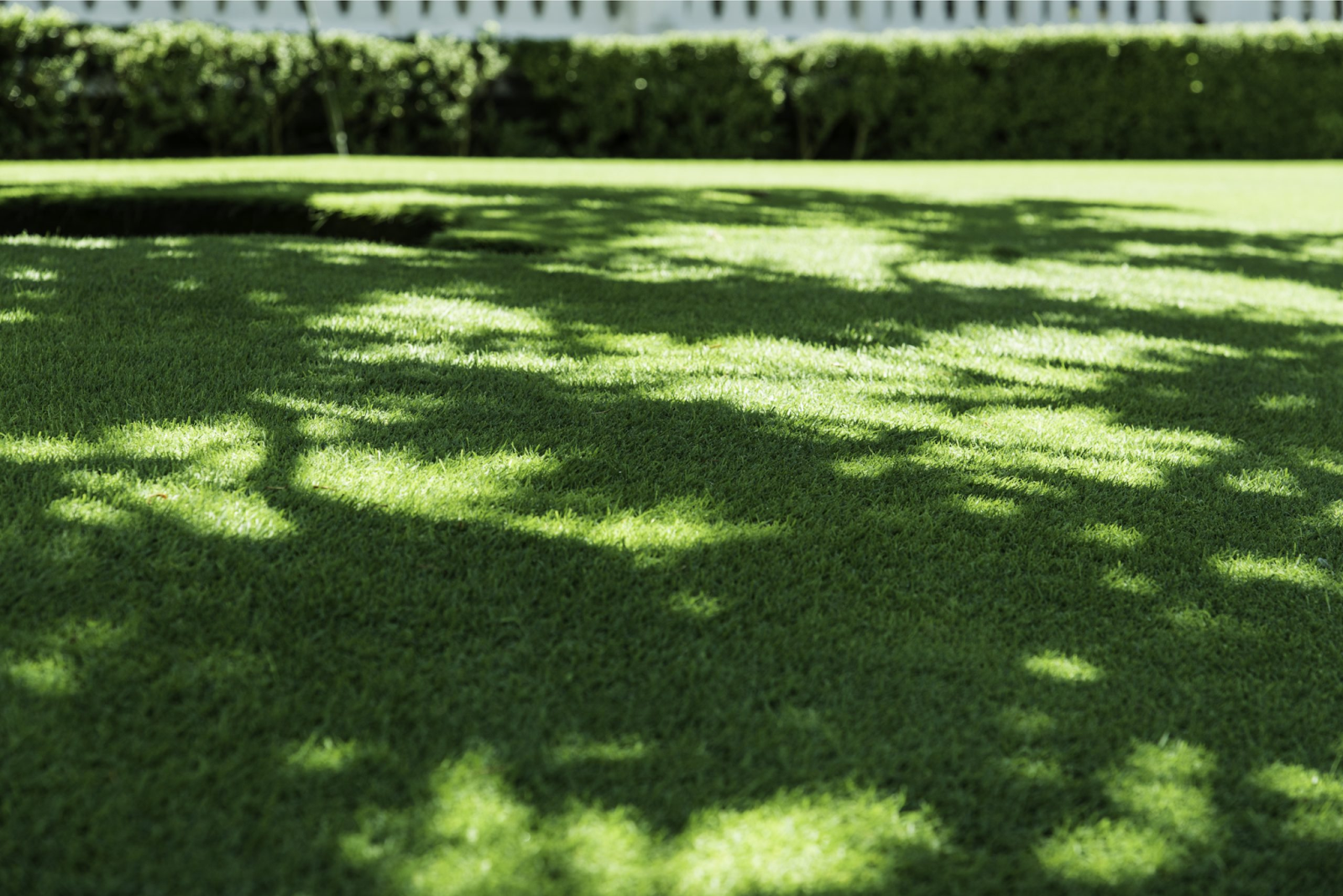
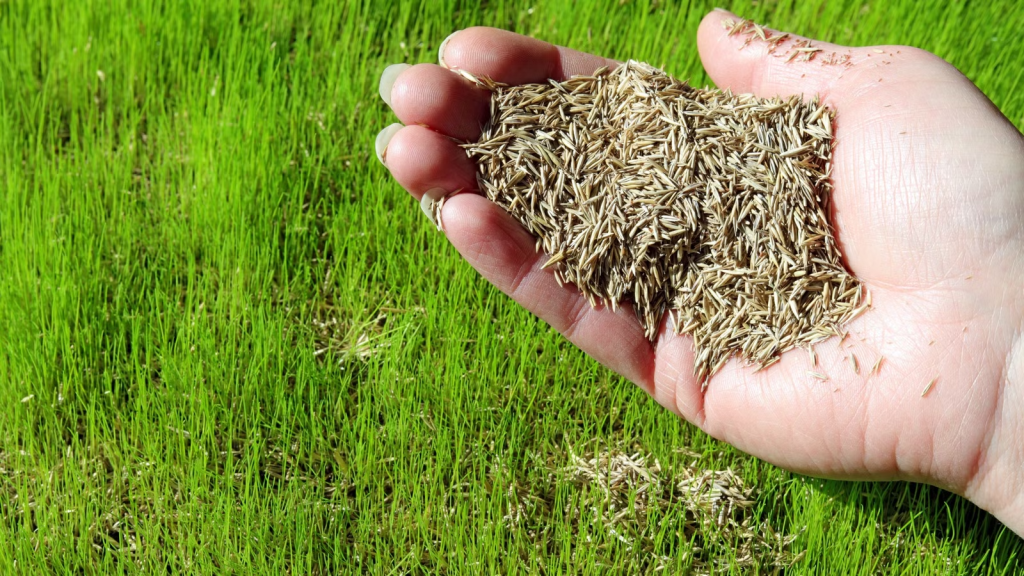
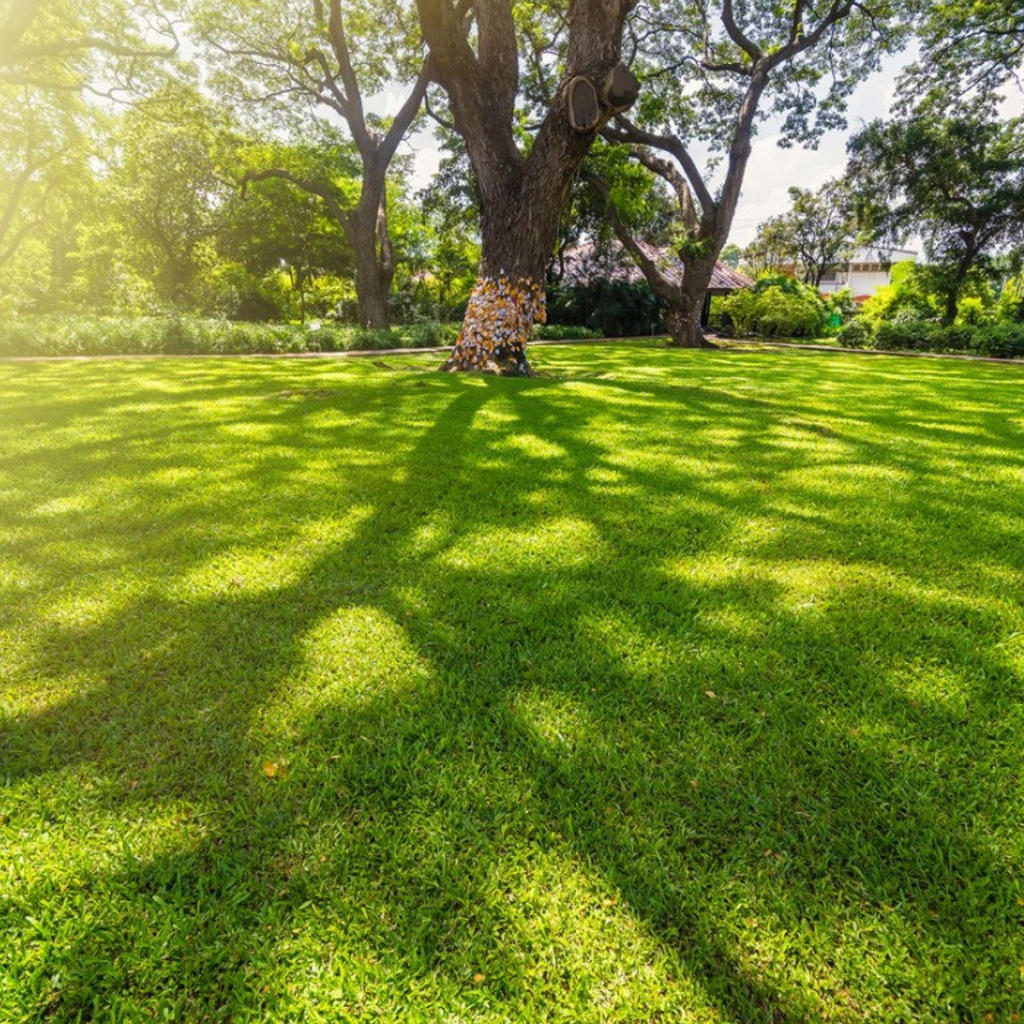
Best Shade-Tolerant Lawn Grass Options for Healthy Green Yards January 16, 2026 by Dave Smith Picking the right grass for shade can help turn your patchy yard into a thick green carpet. Those shaded spots in your yard are usually neglected, however you can bring that rich color back by switching to the right grass variety. Picking between sod or seed and setting up a good routine helps the turf stay full regardless of tree cover. We’ll give you practical tips on installation and long-term maintenance that will help to keep your backyard looking its best every season. Table Of Contents Show Why Shade-Tolerant Grass Is a Smart Choice Top Grass Varieties That Thrive in Shade Ideal Growing Conditions for Shade-Tolerant Lawns Preparing Your Yard for Shade-Tolerant Grass Best Practices for Installing Shade-Tolerant Grass Maintaining a Healthy Shade-Tolerant Lawn Solving Common Problems in Shaded Lawn Areas Real-Life Success Stories from Shaded Lawns Shade-Tolerant Grass vs. Sun-Loving Lawn Types Budget Planning for a Shade-Tolerant Lawn Project Conclusion: Build a Thriving Lawn in Shaded Spaces Why Shade-Tolerant Grass Is a Smart Choice Bare patches of dirt under a large oak tree or next to a tall fence can make a beautiful home look neglected. Switching to a type that handles limited sunlight is a great way to improve your shaded yard and bring back that rich color. These hardy plants are actually sustainable lawn choices because they do not need as much fertilizer or attention to stay alive. Many people find that the benefits of using shade grass include spending less time on yard work during the hot summer months. Putting in these low-light lawn solutions helps to create a thick carpet of green that looks great next to the sunny spots. This simple change keeps the lawn looking full and bright all year. Top Grass Varieties That Thrive in Shade Fine fescue varieties are top performers because they are able to handle low light better than almost any other type. Putting down some fine fescue is a simple trick for a healthy and shaded green lawn These thin-bladed plants can stay green in northern climates where sun is usually scarce. Tall fescue works well too because it has deep roots that help it survive in transition zones. Finding the best grass for shade often leads people to specific Kentucky bluegrass cultivars that are bred for less light. Perennial ryegrass also provides quick cover but it usually needs a bit of help from other shade-friendly grasses to last through the year. In warmer spots, specialized zoysia types offer a tough feel. This cool-season shade grass selection ensures that you enjoy a lush yard regardless of tree cover. See also The Best Lawn Grasses for Low-Water Use: Smart Choices for a Greener YardIdeal Growing Conditions for Shade-Tolerant Lawns Getting your lush yard to grow under a heavy tree cover is all about getting the balance right. Success starts with creating the right lawn conditions so that the grass does not have to struggle so much. You can find areas that have some filtered light because even the toughest varieties need a few hours of sun to continue to stay healthy. The ground should be full of organic matter and compost to meet the specific soil needs for the grasses that live in the dark. Adding some organic matter to the earth before planting helps your shade grass establish itself faster It’s also important that you maintain good airflow around the blades. This helps to keep diseases away. Also ensure your shaded lawn has enough moisture to help the roots grow deep and strong. Preparing Your Yard for Shade-Tolerant Grass There’s a lot of work you need to do before any seeds hit the dirt. Taking the right lawn prep steps makes sure that the grass actually survives. Watch how the sun moves across the yard to see which spots stay dark throughout the day. It is much easier to prepare your yard for seeding when the soil is loose and ready for new life. Following some soil aeration tips makes a difference because packed dirt chokes out young roots. Clearing out any old weeds or thick ivy helps the new sprouts to get enough room to grow. This shade grass groundwork gives the lawn a better chance to stay thick and green. Best Practices for Installing Shade-Tolerant Grass Making sure you follow the right steps during installation helps your shaded lawn look great Most homeowners find that early fall usually works best for the installation of shade grass because the soil is still warm while the air remains cool. You should prep the ground by clearing away any rocks or old weeds so the new growth has plenty of space. It is advisable that you follow a reliable lawn installation guide to help with making sure that the soil is loose enough for roots to take hold. Also, spread the seeds evenly and press them into the dirt so they stay put. Successful shade lawn seeding relies heavily on keeping that top layer of earth moist through light daily misting. Following these specific grass germination tips helps those tiny sprouts turn thick. See also Best Ornamental Grasses: Heights, Spreads & UsesMaintaining a Healthy Shade-Tolerant Lawn There are a few practices that can help with boosting the long-term performance of your shaded lawn. Setting a higher mowing height for your shade-tolerant lawn helps the blades catch every bit of sunlight available under those leafy trees. Since these areas are able to stay cooler, water doesn’t evaporate as fast. This means you have to check the soil very well before you grab that hose. You can put together a solid lawn care routine that involves less frequent but deeper watering to help keep the roots strong. It also helps to fertilize your shaded grass sparingly because overdoing it can lead to weak growth and thin patches. Consistent maintenance of your shade lawn ensures that common issues like powdery mildew or fungus stay away from the yard for good. Solving Common Problems in Shaded Lawn Areas You’ll likely come across certain challenges in your shaded lawn area, however there are ways you can get around them. It is very common for brown patches to appear at places where the sun doesn’t really get to. This makes it necessary to fix these bare spots on your lawn by spreading fine fescue or other resilient seeds. It helps to scatter some tough resilient seeds to finally get rid of those ugly bare spots in the yard Damp soil in these areas sometimes leads to diseases like powdery mildew that coat blades in white dust. Better air circulation and less frequent watering helps to keep the grass dry and healthy. When thin turf allows invaders to creep in, consistent weed control keeps crabgrass at bay. Homeowners who regularly troubleshoot grass issues find that thinning out low tree branches allows enough light to reach the ground. Real-Life Success Stories from Shaded Lawns Some of the most impressive real lawn transformations actually happen when people stop fighting the trees and work with them. Fine-textured grasses often provide the best results for those seeking thriving shady yards in difficult spots. A neighborhood park also shared how it replaced its bare ground with specialized sod, which helped to create a durable space for picnics. This kind of backyard shade success relies on keeping the mower blade a bit higher than usual. If you check out various shade lawn examples, you’ll notice that taller grass is able to capture more of the limited light available under the canopy. See also Transitioning to a Clover Lawn: Benefits, Ideas & Low-Maintenance AlternativesShade-Tolerant Grass vs. Sun-Loving Lawn Types Getting a beautiful yard starts with looking at how much light hits the dirt throughout the afternoon. You need to know how the light hits the ground to grow a healthy yard A lawn type comparison will usually show you which plants are built for heat and which ones prefer the cool dark. Dealing with challenges that come with sun grasses usually means watching the turf turn brown and thin out under heavy tree cover. High light plants simply cannot survive where the sun does not reach. It is best that you choose the right grass type that can easily thrive in those tricky shadowed areas that are next to your house. Making the right choice between grasses that love shade or sun can be the difference between a patchy mess and a thick carpet of green. Budget Planning for a Shade-Tolerant Lawn Project Getting a dark corner of the yard to grow thick green blades is a rewarding task that stays on track with a clear lawn project budget. Many homeowners find that the cost of shade grass is a small price to pay for a beautiful outdoor space. Choosing between seed vs sod costs often determines how quickly the project moves along and how much manual labor is needed. Using seed is generally a great way to maintain an affordable lawn setup while still getting professional results. Just remember that adding organic matter to the dirt helps the new lawn establish itself faster. Conclusion: Build a Thriving Lawn in Shaded Spaces Get the foundation right and you’ll be able to turn that dark corner of your property into a green oasis. It is important that you fix the dirt before you start planting so that the seeds have the best possible environment that can allow them to sprout quickly. This preparation will often lead to long-term success even under the thickest tree canopies. It is advisable that you follow a consistent routine of watering deeply but less often to encourage deep root growth. Proper low-light lawn care also involves being gentle with the turf during the hottest months to avoid any unnecessary stress. Check your yard light levels this afternoon and let us know which grass you plan to use in the comments below! Article By Dave Smith Hi, thanks for stopping by! I’m a lifelong lawn and garden enthusiast with a passion for making outdoor living simple, beautiful, and achievable. Interestingly enough, what started out as a chore became a passion! Now, with my hands-on experience in lawn care, planting, landscaping, and sustainable gardening, I love helping others create outdoor spaces they can truly enjoy. Let’s dig in and create something amazing. This article may contain affiliate links (disclosure policy).




 Skip to content