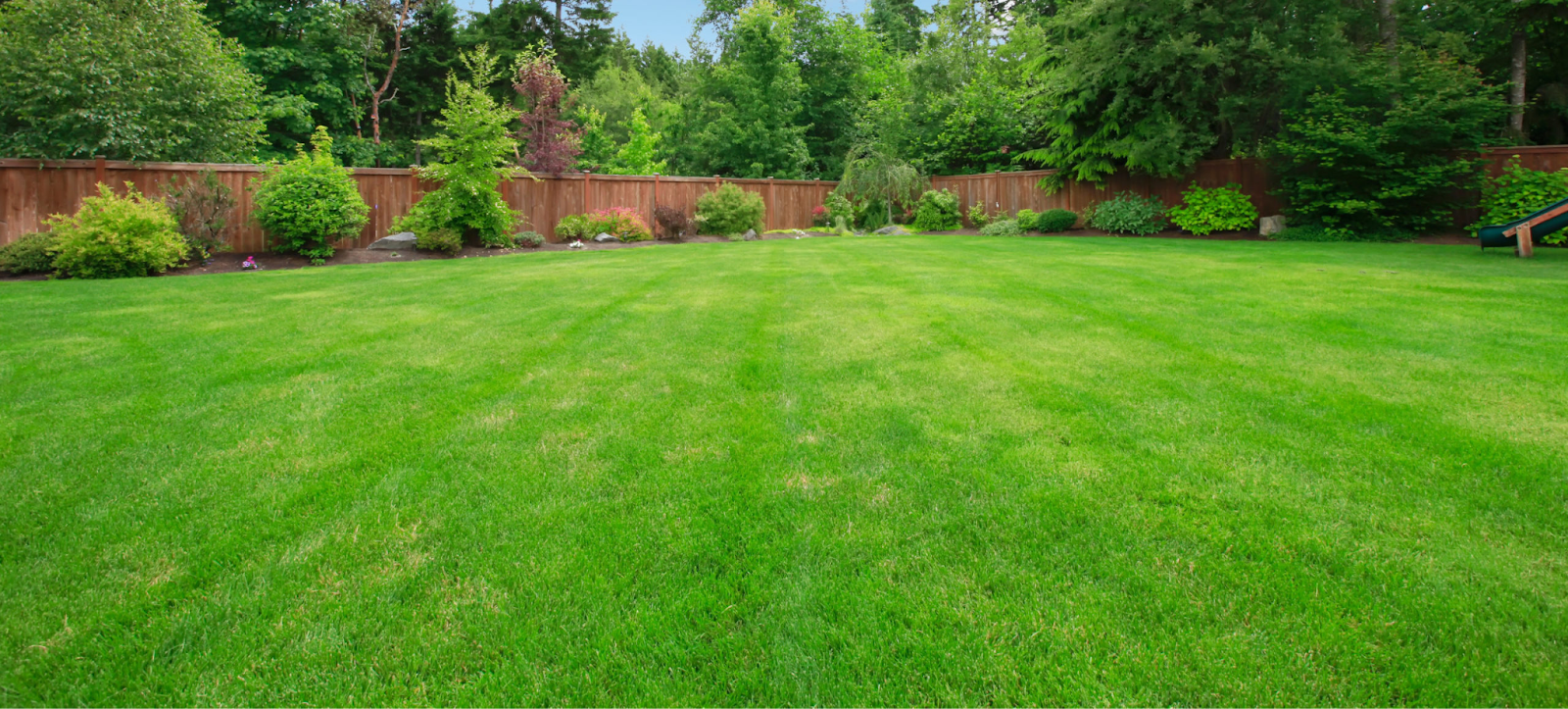
Getting a lush backyard takes the right warm-season grass that can stand up to the sun. Bermuda grass is a top choice because it recovers from pets and kids playing on it. This guide lets you in on various planting and maintenance secrets that can help to keep your turf healthy.
Bermuda Grass for Lawns: The Ultimate Guide
Bermuda grass has a reputation for being one of the toughest grass on lawns. This sun-loving choice is able to handle heavy foot traffic from kids and pets easily. Another reason why people go for this warm-season lawn grass is because it spreads quickly to fill in bare spots.
It is important that you keep the blades low and feed the soil regularly. Keep in mind that proper care is all that is needed to turn a patchy yard into a carpet of Bermuda turf grass that stays healthy even during the hottest summer months. These durable grass types are the standard for Southern yards because they survive droughts that would easily kill other sensitive varieties.
Benefits of Bermuda Grass for Lawns
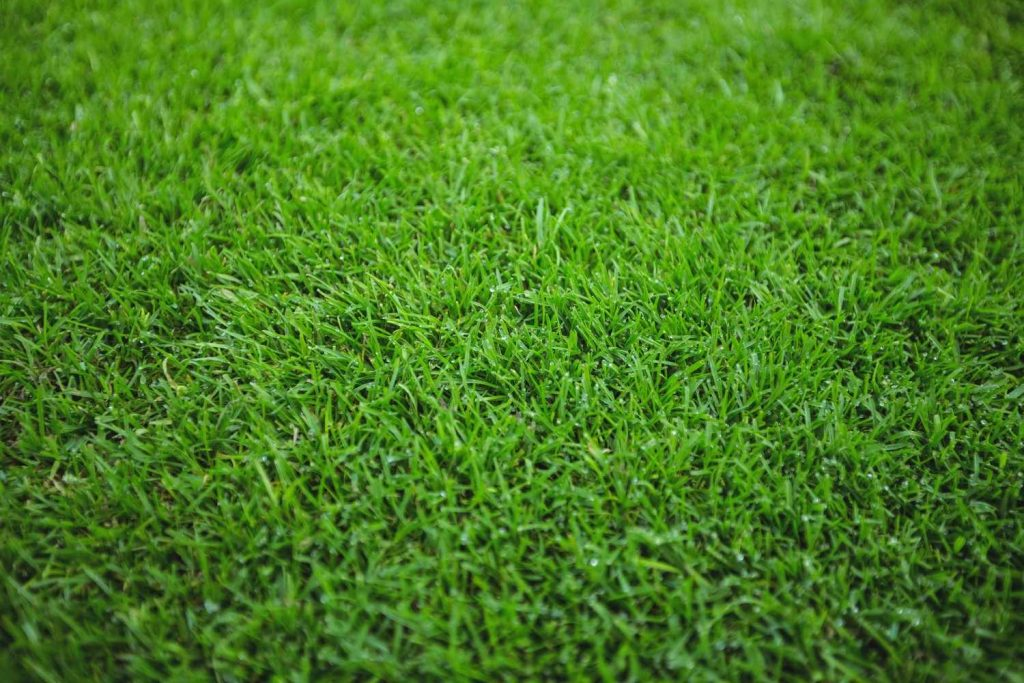
Keeping your yard free of weeds becomes much easier with a lawn that grows thick enough to choke out competition. The benefits of Bermuda grass go beyond just looking good since it has dense roots that create a natural barrier against crabgrass.
This fast-growing turf quickly blankets the soil to keep the ground cool and protected from the baking sun. Even during a dry spell, this drought-tolerant grass keeps its color and strength without requiring a massive water bill.
Active families find it to be the ideal high-traffic lawn grass because it bounces back from heavy use day after day. It offers a simple way to have a beautiful yard that stays durable through every summer heatwave.
Characteristics of Bermuda Grass
Finding a lawn that is able to handle the summer heat is easier with a grass that actually likes the sun. This fine-blade grass grows best in open areas where shadows don’t linger for too long.
One of the standout characteristics of Bermuda grass is that it has the ability to stay green even when the temperature climbs. It usually spreads by sending out runners that creep across the dirt and under the surface.
Bermuda has a very aggressive lawn spread, and this helps to keep the yard dense and crowds out most weeds naturally. As a grass with warm-season turf traits, it goes to sleep and turns brown during the winter months. The color returns quickly once the ground warms back up in the spring.
Ideal Growing Conditions for Bermuda Grass
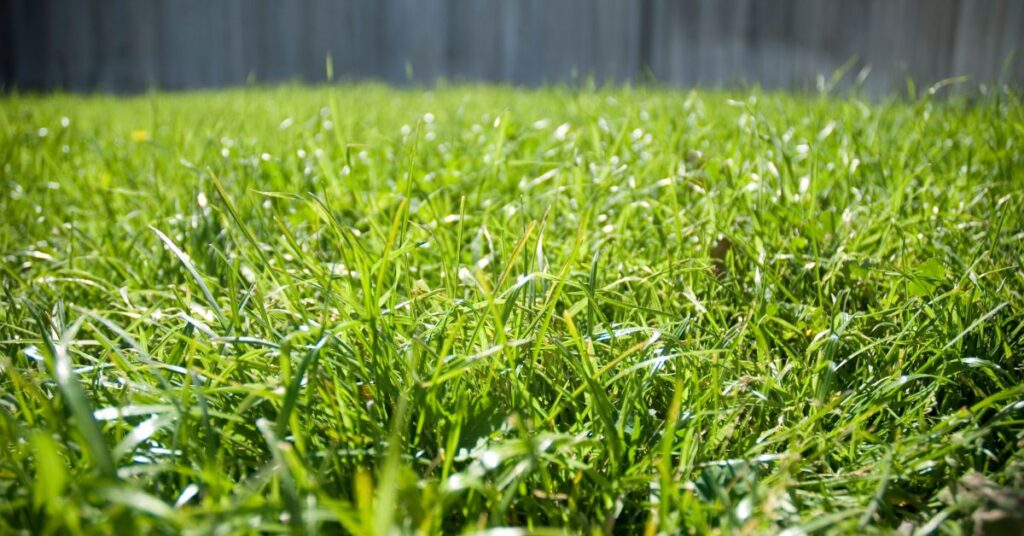
A thick lawn filled with Bermuda grass will require a warm environment and lots of light. Bermuda grass really starts to shine when the daytime temperatures consistently stay high. The soil quality matters just as much as the weather.
You need to find the ideal soil for Bermuda grass, which means that your focus should be on getting soil that has a slightly acidic pH and also great drainage. Once these Bermuda grass growing conditions are met, the yard becomes much easier for you to maintain over time. It stands out as a rugged warm climate turf that is able to recover quickly from foot traffic.
How to Properly Plant Bermuda Grass
Sun-drenched yards are the best place for this tough, heat-loving grass to grow. If you want to be successful with planting Bermuda grass, then you have to do a thorough soil preparation to ensure that the dirt stays loose and nutrient-rich for the new roots. It is best to wait until the late spring heat arrives to provide the perfect environment for growth.
You may decide to go for Bermuda sod installation to give your yard an instant transformation that looks great right away. If you are on a budget, Bermuda grass seed planting is still a good option even though it takes a bit more time to fill in. Deciding that you want to plant Bermuda grass also means committing to a strict watering schedule for the first few weeks.
Maintaining Your Bermuda Grass Lawn
Putting time and effort into the maintenance of your Bermuda grass will lead to a yard that handles the heat with ease all summer long. If you want to keep that bright green turf looking its best then you need to stay ahead of the growth.
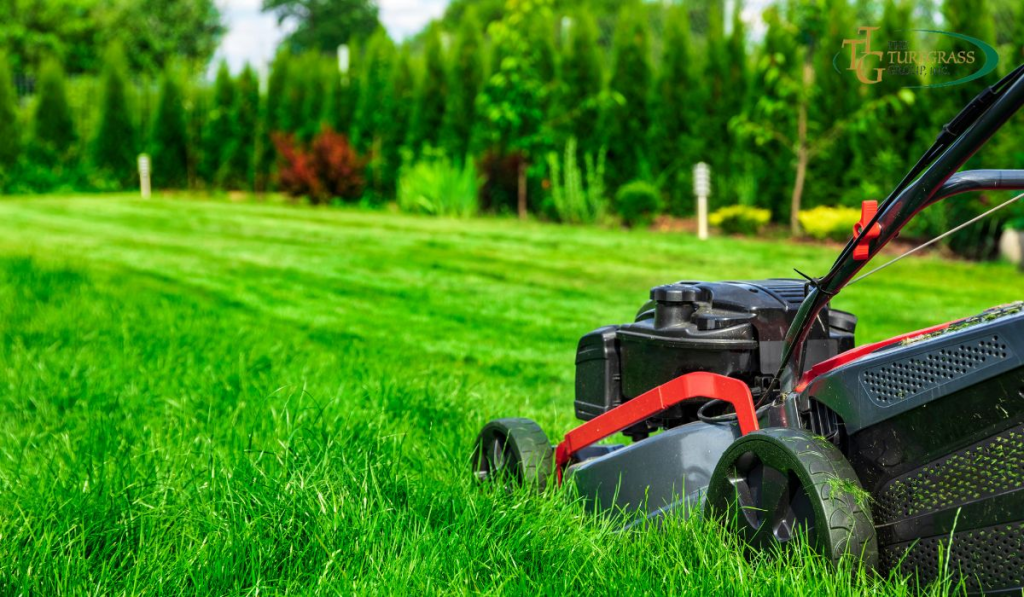
Frequent trims are usually necessary because this type of grass loves to spread when it is cut short. It is important that you regularly mow your Bermuda grass to help the yard stay tight and smooth like a golf course fairway.
Also, water needs to soak in deep so that the roots don’t get lazy and stay near the hot surface. You should adhere to a proper lawn fertilization schedule to keep the color bright even when the sun is beating down.
Common Pests and Diseases Affecting Bermuda Grass
Seeing your lush green lawn turn yellow or brown can be frustrating especially if you’re trying to maintain curb appeal.
One of the most common lawn diseases that affects Bermuda grass is Fungi Infections. It usually appears when the soil stays too wet for too long. Also, brown patches are also seen among Bermuda grass and they show up as unsightly smoke-colored rings during warm, muggy spells.
Various Bermuda grass pests such as mole crickets also tunnel through the dirt and eat the roots. Look out for birds pecking at the dirt as a sign of grub damage that needs attention. Aerating the soil and keeping thatch thin also helps the turf stay tough.
Bermuda Grass vs. Other Lawn Types
Bermuda grass is known to handle heavy foot traffic and scorching sun way better than most cool-season types. Looking at Bermuda grass and fescue, we know that the former stays green during heatwaves while fescue might turn brown without constant water.
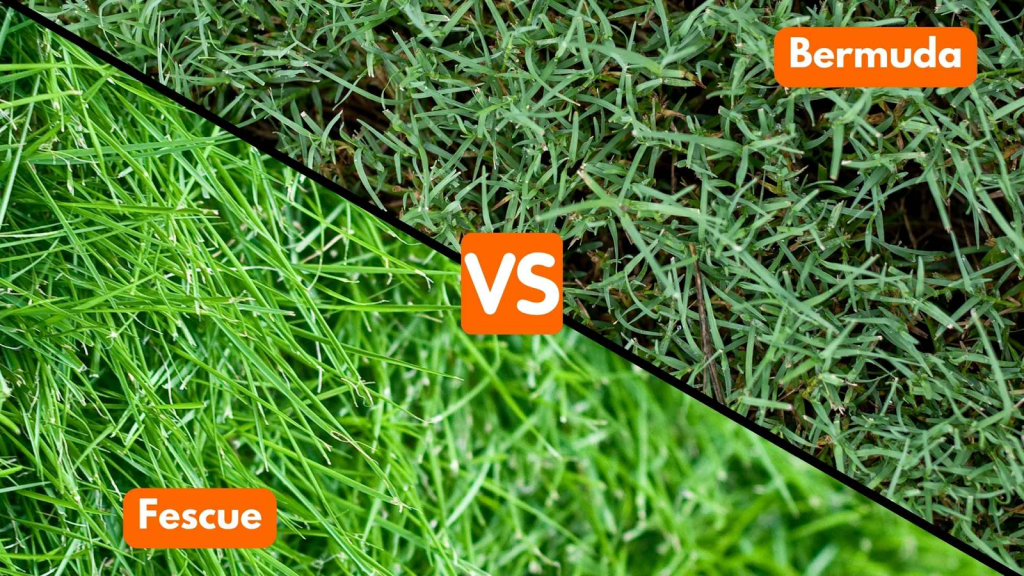
Looking at a Bermuda vs Kentucky bluegrass matchup, the bluegrass prefers cooler northern air and goes dormant when things get too hot. This best lawn grass comparison helps show why southern yards benefit from the rugged nature of Bermuda.
Most of the differences between the grass types will influence how much work that you’ll need to do to keep the yard looking healthy all year.
Cost Considerations of Bermuda Grass Lawns
Many homeowners decide that a Bermuda grass cost of roughly $10 per pound for seed is the best way to save money. Of course, the sod vs seed lawn cost gap is wide because professional turf installation gives you a finished product on day one. You can expect to install your lawn for around $1 to $3 per square foot depending on a variety of factors.
Once the lawn is in, you will need to budget for turf maintenance expenses that average between $100 and $400 monthly. This investment helps the value of your home while also giving you a tough surface for kids and pets.
Conclusion: Is Bermuda Grass Right for Your Lawn?
Keeping a beautiful backyard shouldn’t feel like a full-time job every single weekend. Low-maintenance turf grass usually gives the ideal balance of beauty and ease for a family home. You should follow a solid Bermuda grass lawn guide that helps you set the right schedule for mowing and fertilizing throughout the year.
Most experts agree it is the best grass for warm climates because it spreads quickly to fill in any bare spots naturally. Taking time to choose your lawn grass wisely helps to make sure that your yard matches the local weather and soil conditions perfectly. This grass will be able to stay tough and resilient even during the hottest months of the year.
Tell us in the comments below which part of this Bermuda grass guide made the biggest difference for your yard!