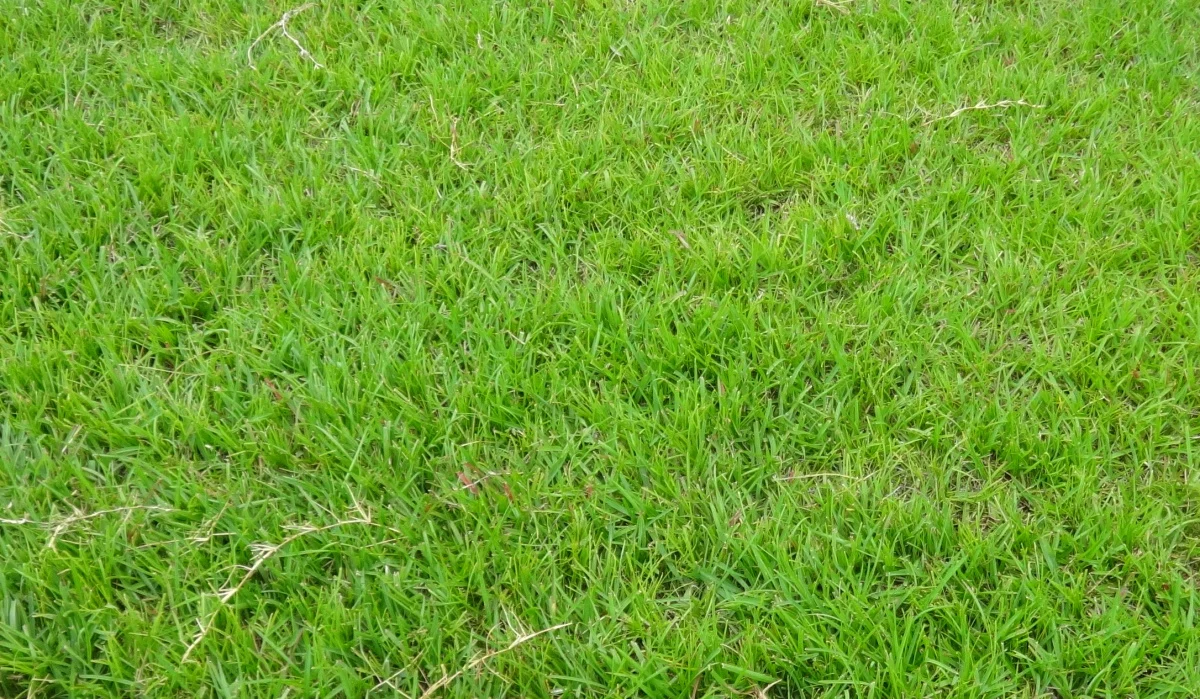
Centipede grass is famous for being a “lazy man’s turf,” but it still requires the right start to look its best. In this article, we will walk you through the steps to plant and grow this hardy grass in your own backyard. From the right pH levels to mowing heights, you’ll find all the tips needed to build a lawn that survives and looks great.
Best Centipede Grass for Lawns Guide
Centipede grass is a tough, low-growing turf that stays green without much work. If you are in search of a low-maintenance lawn grass, then centipede grass is the right choice. It grows slowly and does not require constant mowing. Homeowners across the Southeast love this warm-season grass for their lawns since it handles high heat and humidity well.
An important fact that you would come across in many centipede grass guides is that this variety prefers acidic soil. Its thick habit creates a natural carpet that helps to choke out weeds. This makes it the best grass for lawns where you want a nice yard but hate spending every weekend doing yard work.
Overview of Centipede Grass
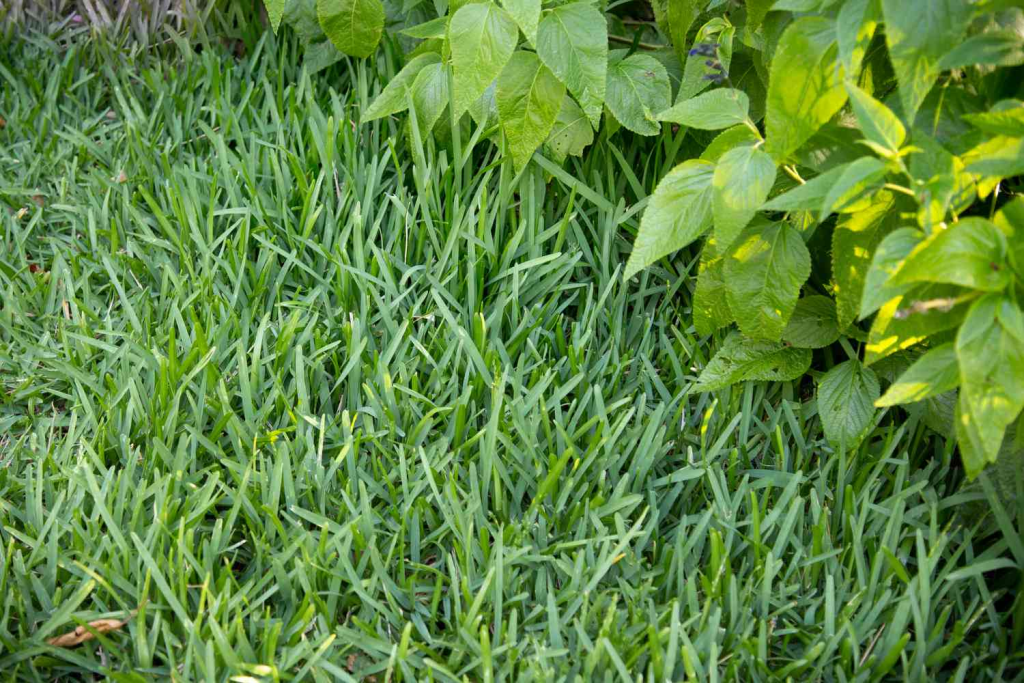
If you want to have a beautiful lawn that won’t require you to always have hectic weekends, centipede grass is the ideal option. Scientifically known as Eremochloa ophiuroides, it has earned a reputation as the lazy man’s turf, due to the fact that it requires very little attention.
It moves across the soil using above-ground runners that slowly create a thick mat of green. This unique centipede grass growth habit means it stays low to the ground and won’t suddenly shoot up if you miss a week of maintenance. It stays a light apple-green during the summer, but will go dormant and turn brown when the first frost hits the area.
Benefits of Centipede Grass for Home Lawns
Keeping your yard looking sharp shouldn’t take up your entire Saturday morning. Several homeowners love how centipede grass benefits the neighborhood’s appearance with a light apple-green hue.
This weed-resistant grass type forms a thick mat that makes it difficult for crabgrass to take hold once you have planted it. It does really well in acidic soil with very little maintenance.
It truly qualifies as a low-input lawn grass for busy families. After the lawn matures, having a drought-tolerant centipede grass means you have fewer worries when the local rain clouds disappear for a few weeks. It simply stays steady and strong.
Low Maintenance Requirements
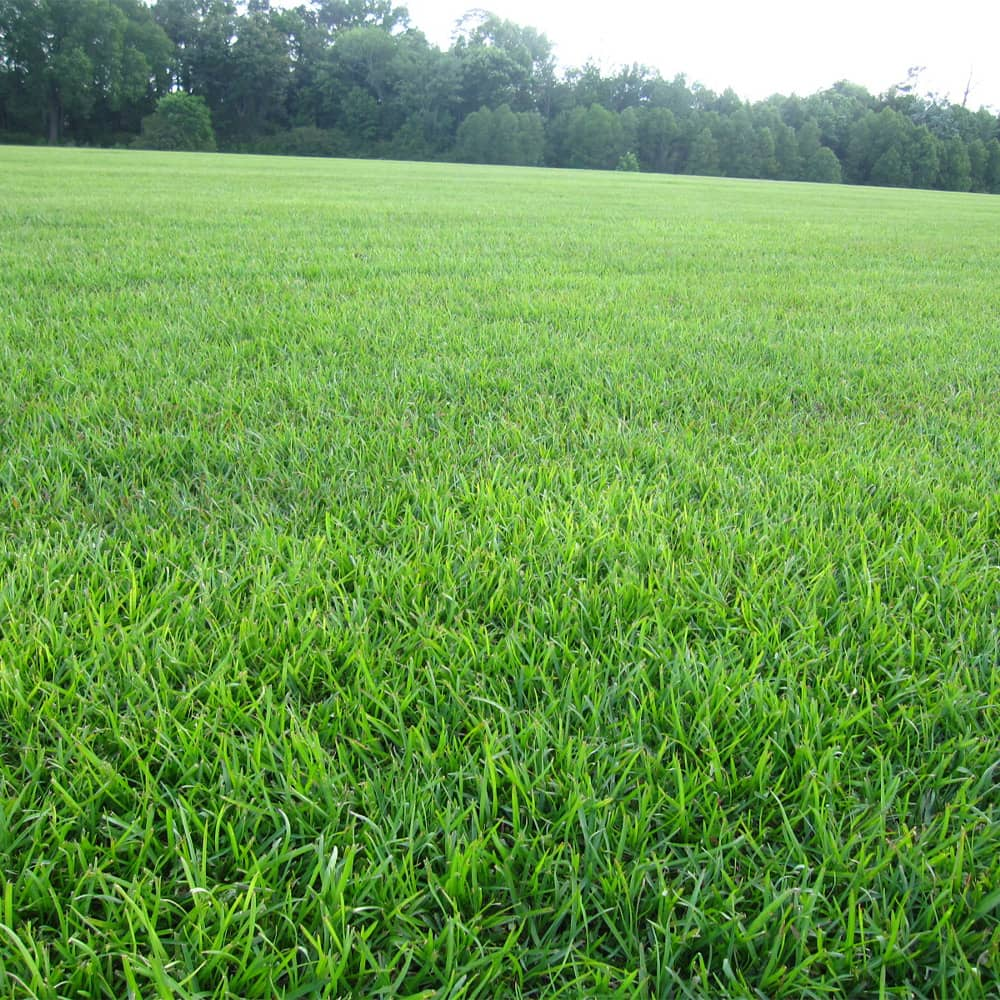
An effective way to cut down on chores and create more time for yourself is to choose a lawn that grows at a snail’s pace. Because the blades don’t shoot up quickly, mowing centipede grass becomes a monthly chore rather than a weekly headache.
Centipede grass hates a pampered lifestyle and performs best as a low-fertilizer lawn that receives only minimal nitrogen once or twice a year.
If you love to keep it simple, then centipede grass is a top choice for easy-care. Stick to a basic routine for your centipede grass maintenance to avoid yellowing or root rot from overwatering. This grass is happiest when the owner stays out of the way.
Heat and Drought Tolerance
Centipede grass stays tough even when the sun is beating down. When you choose this heat-tolerant grass for your lawn, your yard will not give up as soon as the weather becomes sunny and hot. During long stretches without rain, the blades might curl up to conserve moisture and energy.
This type of lawn dormancy in summer is normal and helps the turf bounce back once you give it a good soak. Because of the way it grows, centipede grass is drought-tolerant, which is quite good for southern homeowners. It remains a popular water-saving grass type because it survives on much less liquid than thirstier varieties like St. Augustine.
Ideal Soil Type and Soil Preparation
If you want to create a beautiful lawn, every decision you make must be well thought out. You should have the end result in mind before you plant the first seed. A lot of experts agree that the best soil for centipede grass is sandy, acidic soil. Keeping the centipede grass soil pH quite low is the secret to that signature apple-green color that homeowners love.
Always check the quality of your lawn soil with a well-proven test, which will tip you to the right balance of minerals and acidity levels.

Mixing in aged leaf mold or compost is a great way to prepare the soil for the grass seed before leveling the site. Proper grading ensures that rain flows away without washing your hard work into the street.
Climate and Temperature Needs
Centipede grass is a go-to warm-season lawn grass if you are interested in having a beautiful yard without spending every weekend fertilizing. The first thing to keep in mind is that finding success with this grass all comes down to staying within the recommended climate zone, where winters remain relatively short.
As the ground temperature rises in the spring, that is when centipede grass turns green and begins to spread. The bright color eventually fades into a light brown shade as the calendar flips towards December.
This period of centipede grass winter dormancy allows the lawn to conserve energy while the weather is chilly. It remains dormant until the warmth of spring returns to start the cycle again.
Planting Centipede Grass From Seed
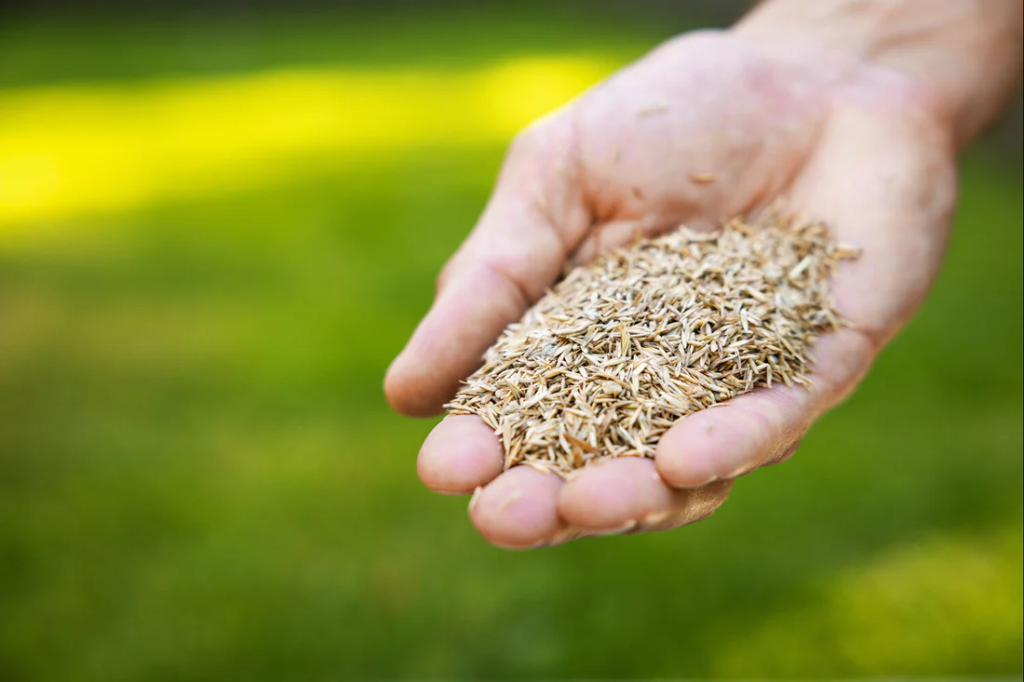
Bare soil offers you a fresh chance to grow a lawn that lasts for a long time with little stress. It is important to remove any unwanted growth and smooth out the bumps on the site, as this will set the stage for a healthy yard. When you learn how to plant your centipede grass seed correctly, you can avoid common mistakes like burying the seeds too deep.
In addition, distributing the lawn food and the centipede grass seeding across the yard evenly leads to an even growth. A gentle pass with a rake ensures that those seeds stay in contact with the warm earth.
These simple lawn seeding steps can transform a dusty lot into a green outdoor space. Keep in mind that consistent watering remains the primary way to see fast centipede grass germination.
Best Time of Year to Plant Centipede Grass
Before you start planting, you must pick the right time that is favourable for growth. Several homeowners find success with late spring lawn seeding because the soil has finally lost its winter chill.
This specific centipede grass soil temperature acts like a green light for the root system to take hold. While many aim for May, an early summer grass planting helps the lawn to capitalize on the peak growing season.
It is smart to find the best time to plant centipede grass, as this would prevent the frustration of slow coverage or weeds moving into empty spaces. When you plant at the wrong time, you will end up with a lawn that cannot handle winter conditions.
Comparing Centipede Grass vs Bermuda Grass
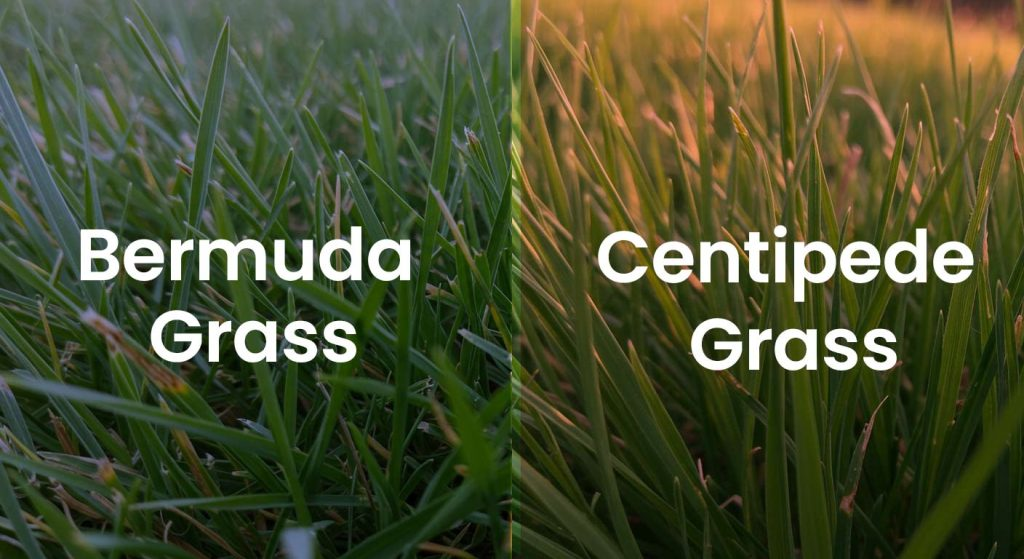
Centipede grass is famous for being a lazy man’s grass because it thrives with very little help. It serves as a great low-maintenance grass option if you’re looking to save on water and supplies. However, if kids or pets are constantly running around, then Bermuda grass is the better option.
Bermuda grass also ranks as one of the best grasses for heavy traffic because it spreads over bare spots quickly. Just keep in mind that Bermuda grass care needs include plenty of fertilizer and cutting the lawn twice a week during the summer.
Centipede Grass vs Zoysia Grass
Making the choice between Centipede grass and Zoysia usually comes down to how much effort goes into the soil. Centipede grass usually stays low and grows slowly. This makes it very cheap and easy to maintain. On the other side, Zoysia grows thick enough to block out every weed in sight.
Centipede grass is one of the best warm-season lawn grasses for a tiny budget. Zoysia is usually the winner for those wanting dense lawn grass that feels like walking on a soft cloud every single morning.
Conclusion: Is Centipede Grass Right for Your Lawn?
Centipede grass offers a thick, carpet-like feel that looks great in large, open spaces with plenty of sun. It is a fantastic option if you want to choose the right lawn grass that doesn’t require you to commit to a heavy watering schedule. Because this variety grows slowly, it is one of the best low-maintenance grass for keeping the mower in the garage more often.
A consistent centipede grass care should focus on avoiding high-nitrogen fertilizers that lead to thatch buildup. People frequently ask if centipede grass is good for lawns in the coastal South, and the results speak for themselves. You should always keep the soil slightly acidic and the mower height around a couple of inches, which will help the yard stay healthy.
Get centipede grass seeds today, plant them, and share your progress in the comments below!