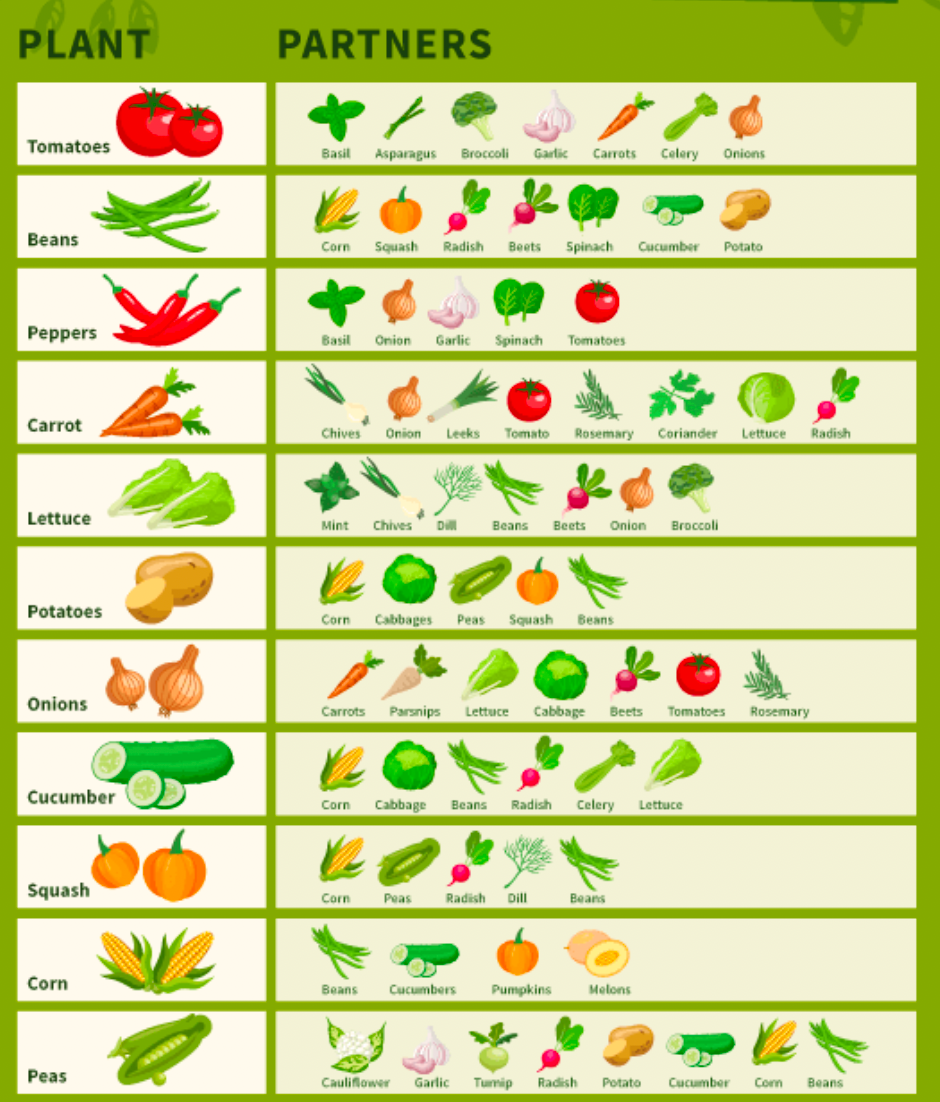
Over the years, gardeners and green thumb enthusiasts have kept searching for gardening strategy tips to improve their yields without harming the environment. With companion planting, the search is over.
Companion plant pairing techniques remain one of the most reliable ways to ensure healthy yields and promote sustainable gardening. These techniques are basic principles that capitalize on plants helping one another through their natural habits.
Before incorporating these companion planting basics into your gardening system, it’s best to have a strategy in place. Create and follow a chart to monitor each plant each season, maximizing yield, improving pest resistance, and enhancing soil resilience.
This guide includes a companion planting chart for garden success, with details on its benefits, common mistakes to avoid, and top combinations.
Benefits of Companion Planting for Healthy Gardens
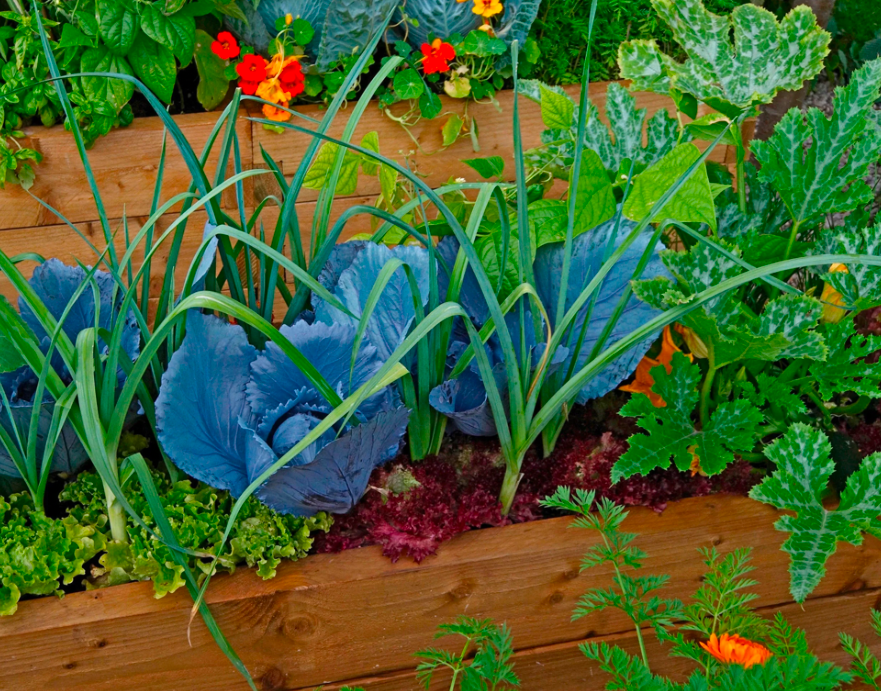
Companion planting benefits all forms ofbiodiversity in gardens, from plants to wildlife and people. That’s why it’s an eco-friendly choice for maximizing garden yields by improving growth, deterring pests, enriching the soil, and encouraging biodiversity.
Pest Deterrents
Some plants act as natural pest deterrents through their scent and growth patterns. For instance, the strong smell of basil leaves discourages garden flies from perching, while flowering plants like sunflowers and lavender attract pollinators.
These pollinators, in turn, feed on pestering insects and protect the plants.
Soil Enrichment
Legumes such as beans and peas are nitrogen-fixing plants that replenish soil nutrients in a rotation after other deep-rooted crops drain them. Also, tall plants provide shade for creepers and crawlers, which crowd out weeds and retain soil moisture.
Biodiversity Improvement
By adopting the eco-friendly gardening practices outlined in the companion planting chart in this guide, you would promote biodiversity. Your garden will become a haven for all beneficial living organisms.
How to Create Your Own Companion Planting Chart
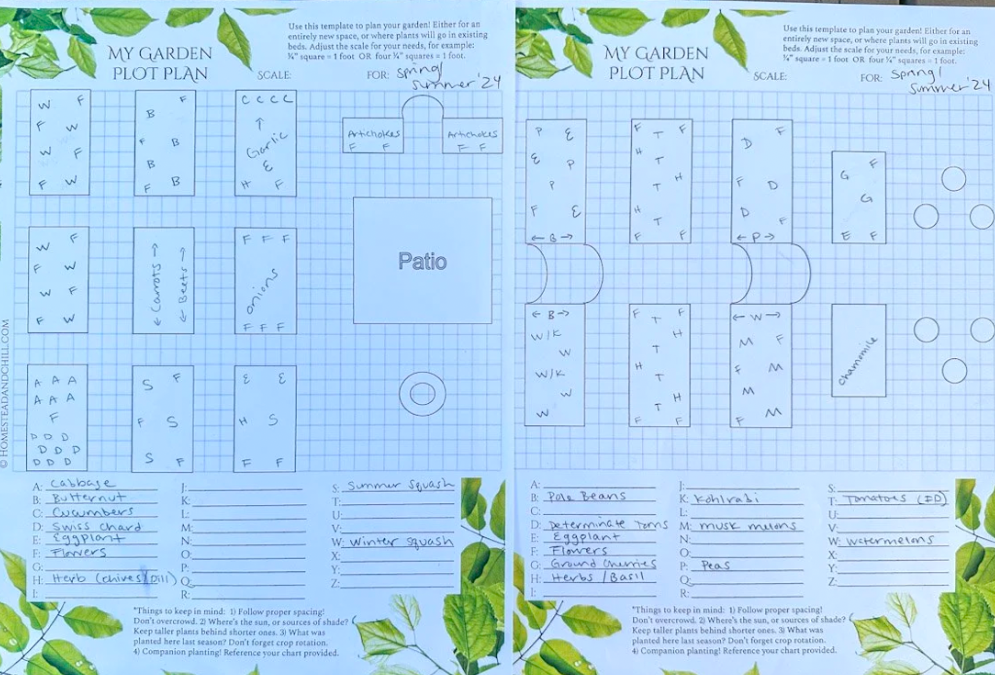
Before you design your chart, you must first determine what kind of companion planting strategy you want to use. You can have a seasonal gardening chart, a crop-focused chart, or a multipurpose chart that combines all strategies.
To create your own DIY companion planting chart, you’ll need to get some basic school supplies.
What you need:
- A notebook/Gardening journal
- Pencil
- Eraser
- Ruler
- Colour Pencils (optional)
Next, you must understand what you want each pair to do for the other by following classic crop planning tips.
For a crop-focused chart, highlight each plant in your garden, emphasizing its unique nature. Then pair them based on their mutual benefits.
For a seasonal planting chart, draw a simple grid with four columns, one for each season, and organize your plant pairings accordingly.
Keep reading this plant compatibility guide if you don’t know where to start.
Top Companion Plant Combinations for Success
It’s normal to be confused as a beginner in companion planting territory, so here’s a summary of some natural plant partners that you can start with in your garden.
Basil and Tomatoes
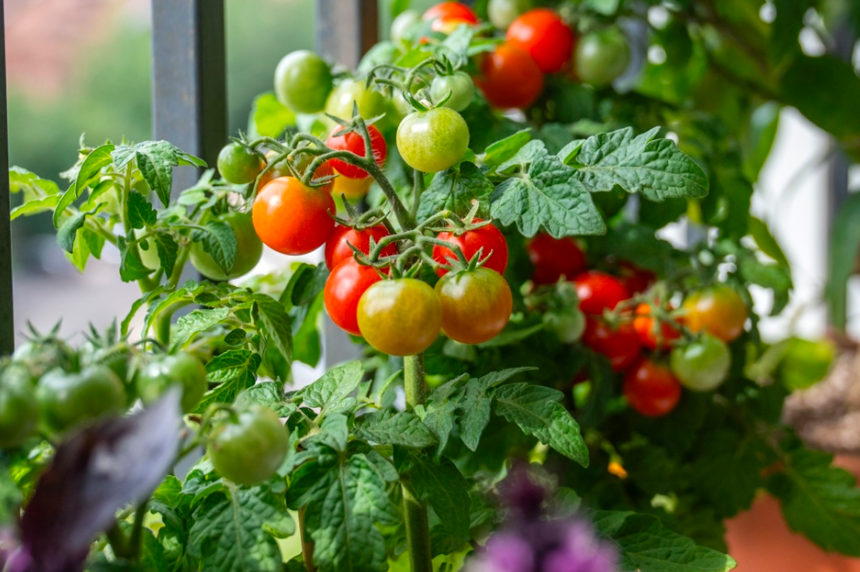
Combining tomatoes and basil planting has a long list of benefits beyond pest deterrence. Besides repelling tomato flies with its strong scent, basil leaves also infuse the roots with flavour, resulting in sweeter, more savoury tomato fruits.
Carrot and Onions
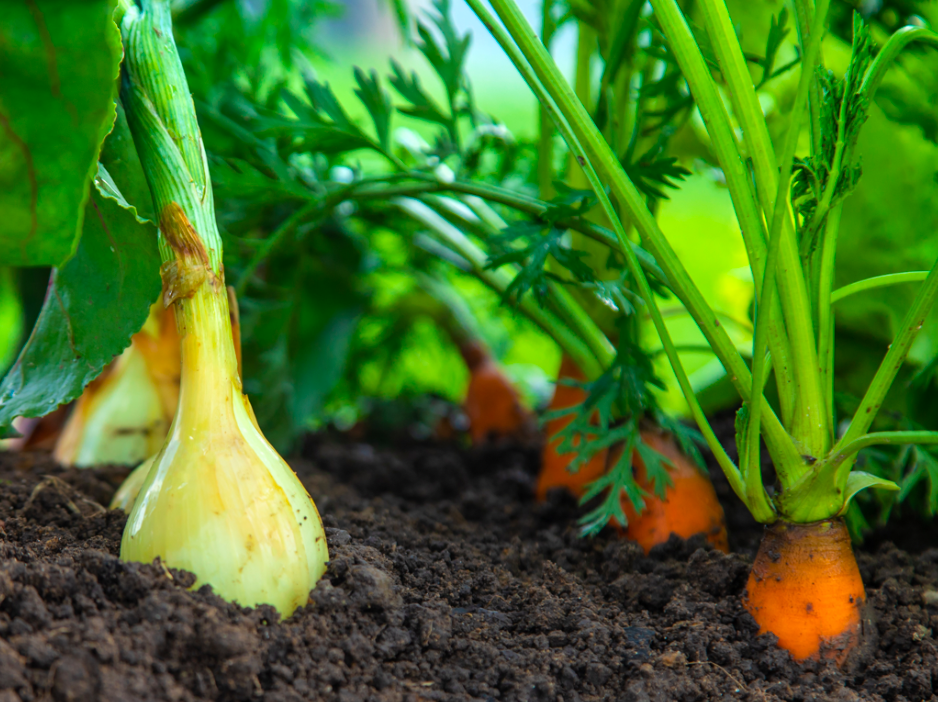
Carrots provide shade for onions, serve as a natural insecticide, and improve soil aeration with their long, thick roots.
Beans and Corn
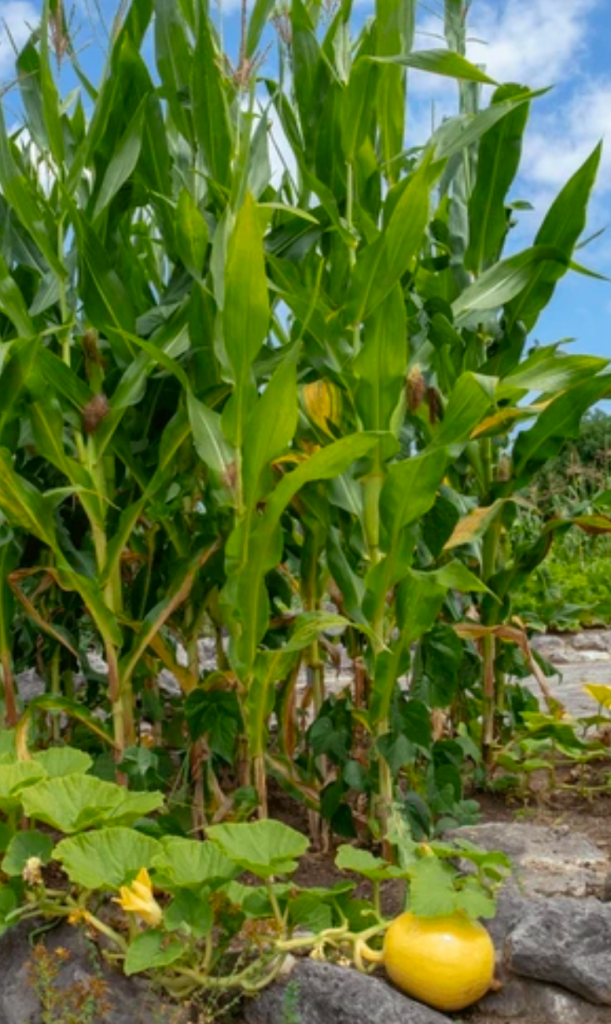
The beans and corn garden duo help themselves structurally. Add squash into the mix, and you have the classic Three Sisters trio. Beans climb up the tall stalk of the corn plant, while the squash crop breaks up compaction in the soil and keeps it aerated.
Vegetables and Marigolds
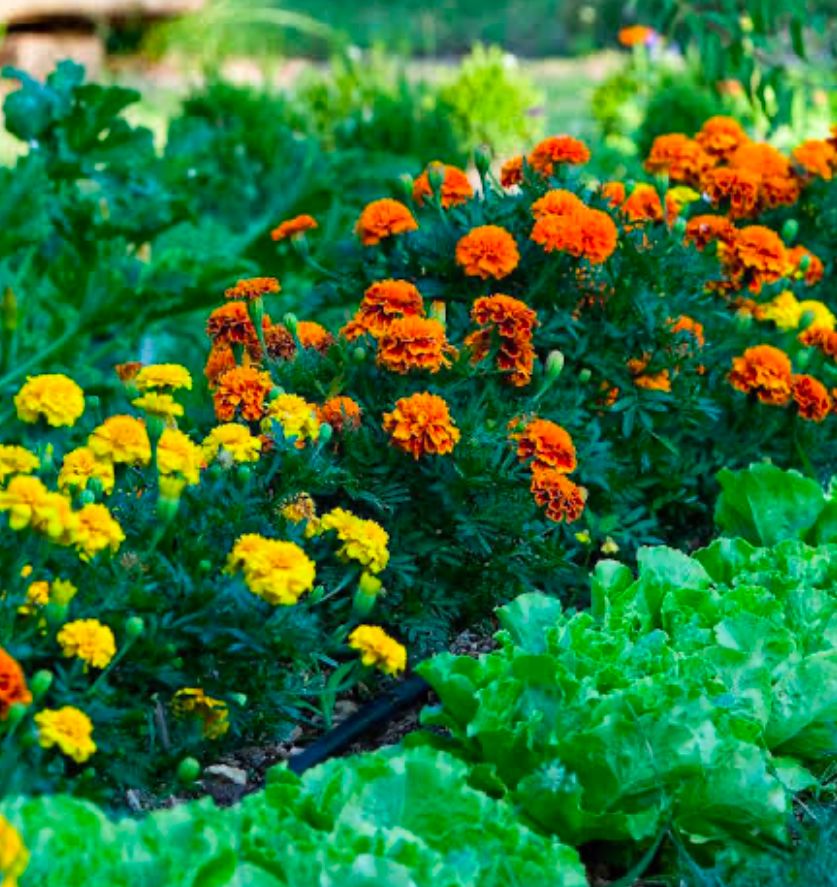
Marigolds repel pests from vegetables and help them grow healthier, greener, and fresher leaves.
You can also check gardening books for the best companion plants outside these common pairs.
Mistakes to Avoid in Companion Planting
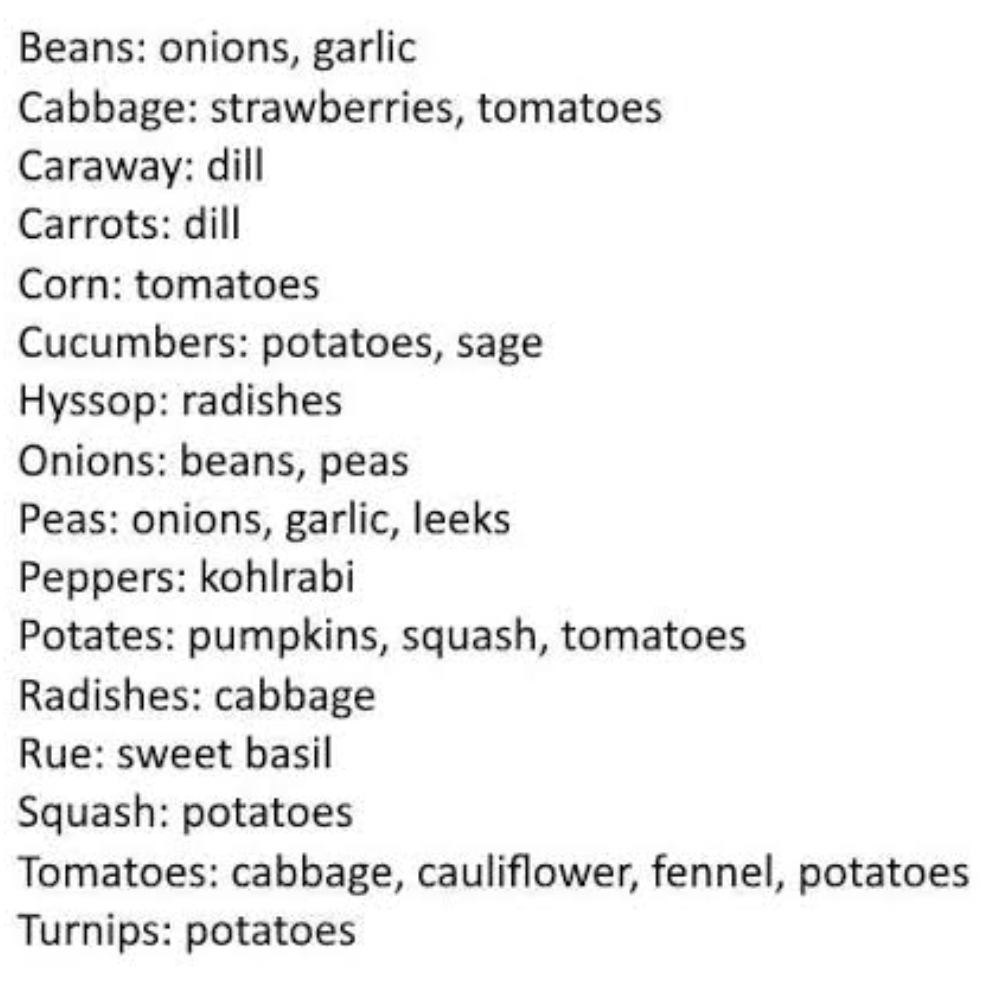
While using companion planting to improve biodiversity, avoid common mistakes. You can still fall into common planning errors, such as nutrient competition, overcrowding, and ignoring growth habits, when planning plant pairings.
So, here are gardening mistakes to avoid:
Nutrient Competition
Overcrowded garden beds are one of the most common mistakes beginners make when they cram too many seedlings together. This practice encourages nutrient competition in plants.
Instead, space out your seeds in rows and columns that are at least 1-2 inches apart. That way, when they start sprouting leaves and fruits, they won’t suffocate each other.
Poor Plant Pairings
Just as beneficial combos exist, so do poor plant pairings. Some duos and trios won’t work well together due to their nutritional needs and growth patterns, so avoid them. Examples of wrong plant pairings include:
- Dill and Carrots
- Sorrel and Lettuce, Onions, or Garlic
- Corn and Potatoes
- Strawberries and Garlic
Seasonal Companion Planting for Year-Round Success
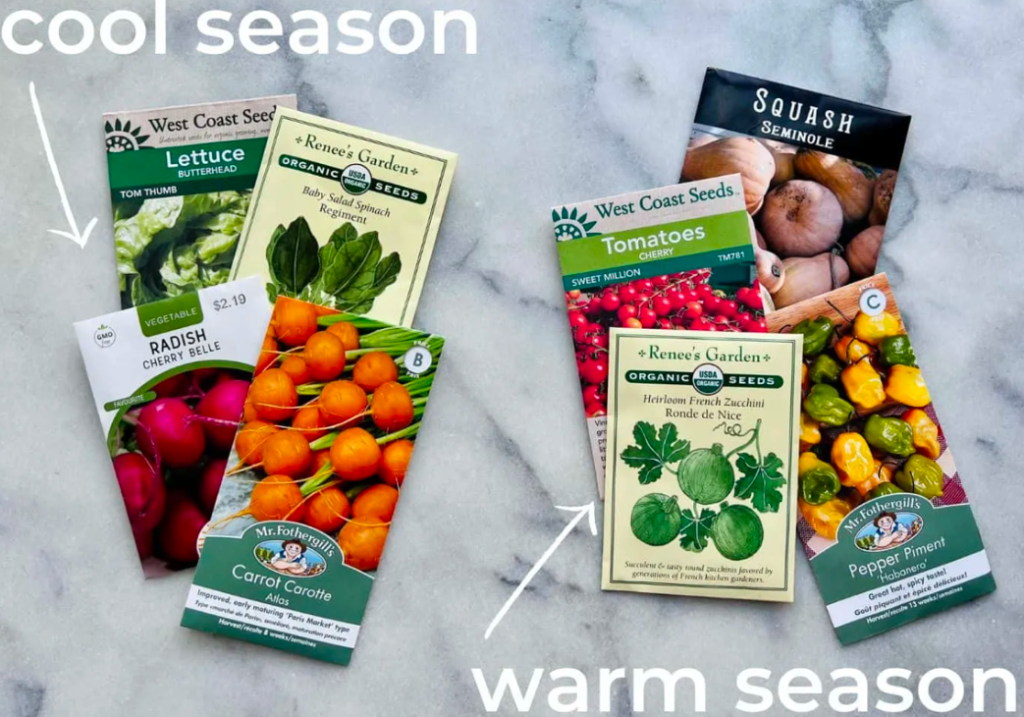
Let’s look closer at seasonal garden planning and how it fits into your chart.
When you pair seasonal plant companions based on weather changes, you give each plant a chance to grow in its natural conditions.
Here’s a guide with year-round gardening tips to ensure bountiful yields and blooms in every season.
- Identify your Crop Type: Determine whether you have a cool-weather or warm-weather crop so that you can understand the best season for it to thrive. Pro Tip: Cool-weather crops are shade lovers, while warm-season crops are sun lovers.
- Rotate crops per Season: Create a cycle for winter, summer, spring, and fall crops. Plant cool-weather crops in Spring and warm-weather crops in Summer.
| Warm Weather Crops | Cool Season Crops |
| TomatoesPeppers Cucumbers Onions | Cabbage Lettuce Kale Carrots |
Natural Pest Control Using Companion Plants
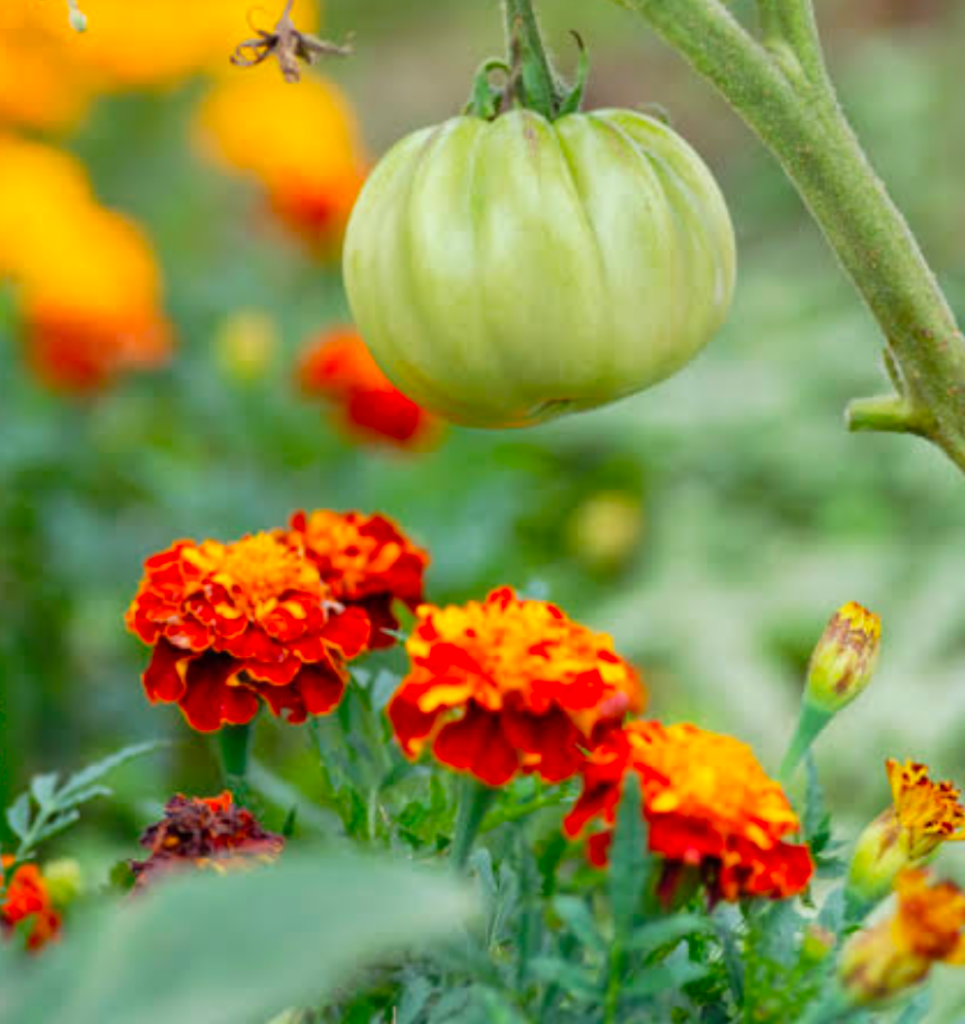
Earlier, we highlighted companion planting as a natural pest-control method, so it’s time to get into the details. Here are some pest-repelling plants and how they can help other crops:
Marigolds
Planting marigolds in gardens repels pests like aphids, whiteflies, and nematodes while attracting beneficial insects like ladybugs.
Basil
Using basil for pest control works against thrips and hornworms, which are attracted to tomatoes and asparagus.
Mint
Mint has a strong scent that repels most common pests, including aphids and nematodes.
Garlic
Garlic repels moths and aphids due to its strong scent.
Improving Soil Health with Companion Planting
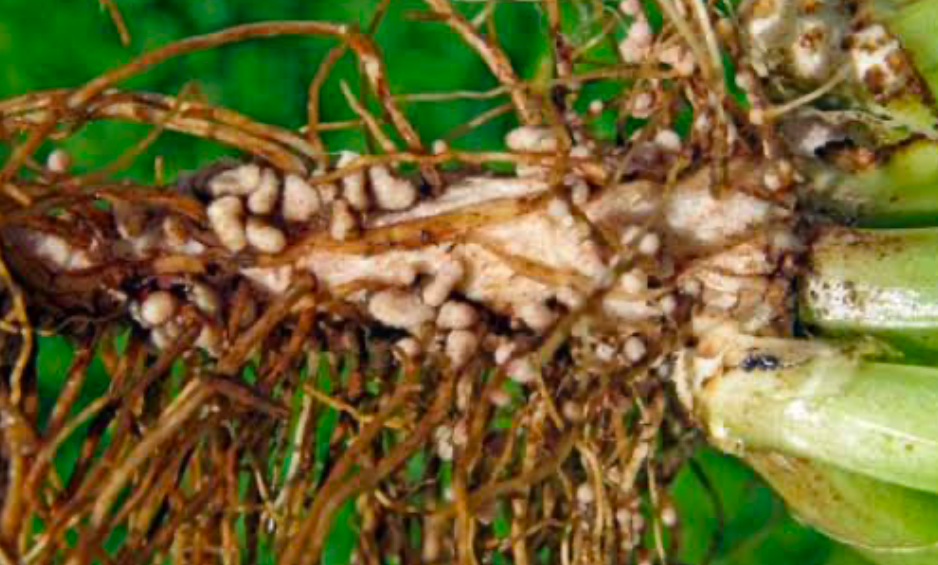
You may be wondering how companion planting fits into healthy soil practices. This benefit works through nitrogen-fixing legumes, such as peas and beans. They convert atmospheric nitrogen into forms that can penetrate the soil and benefit other plants.
Companion planting also promotes root diversity in gardens when you pair shallow-root plants like carrots with deep-rooted crops like tomatoes. That way, not every plant is taking a lot of nutrients at once.
With this strategy, you can improve soil enrichment by using cover crops to retain moisture, legumes to fix nitrogen, and alliums such as garlic and onions to repel root pests.
Companion Planting in Containers and Small Spaces
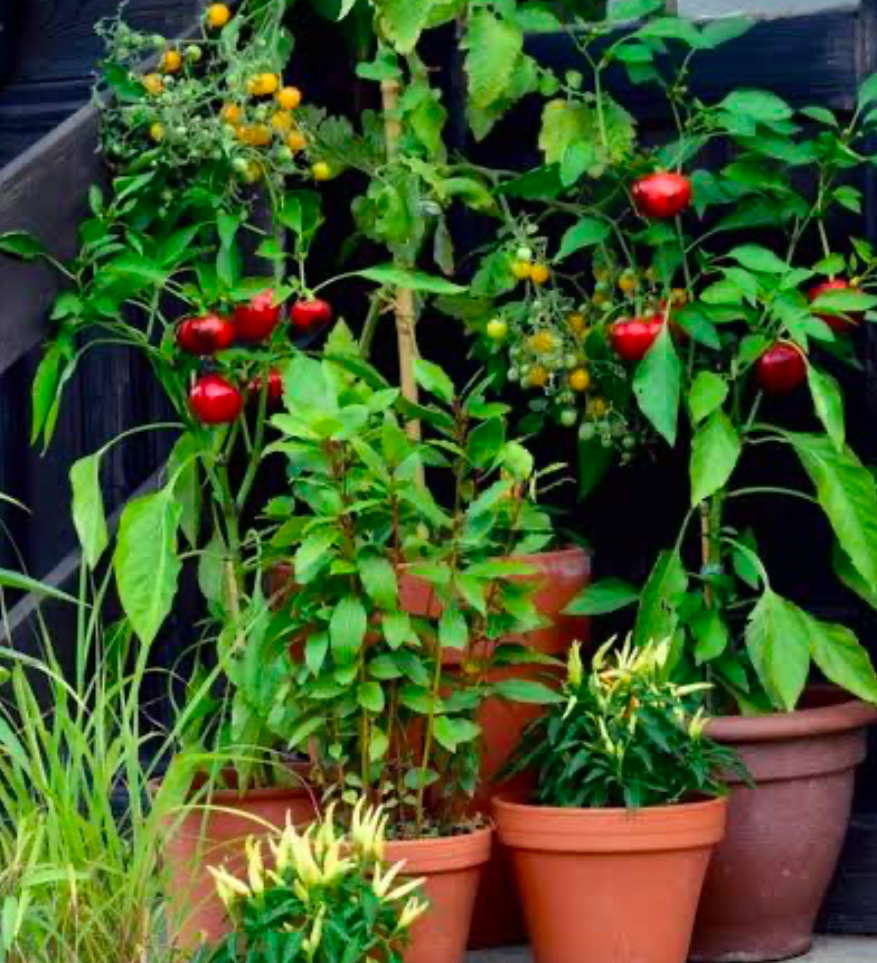
Finally, bring your companion planting chart to life, no matter your garden size, by using these container gardening tips:
- Choose dwarf vegetable varieties from the market to better manage their growth.
- Use ideal containers that can contain at least 30 cm depth of soil mix with a drainage hole.
- Pair structurally different plants together to help each other, like the three sisters. An example is tall corn, climbing beans, and crawling squash in one container.
- Introduce other potted garden companions, such as vertical planters, into the mix. Add a trellis or a hanging planter to maximize space.
These small-space companion planting strategies exist to help you avoid the common mistake of overcrowding and nutrient competition. It’s perfect for dwarf varieties, layered soils, and pollinator-friendly flowers.
Conclusion: Using a Companion Planting Chart for Garden Success
Using a companion planting chart for garden success benefits you in the long term. These companion planting gardening success strategies promote healthier and more productive gardens by protecting the ecosystem through nature.
You saw how the plant pairing chart benefits your biodiversity, including you as the garden manager. You don’t have to do anything foreign or introduce any harmful chemicals to your soil. Just rely on nature, let plants support each other, and create beautiful results. Scroll up to see how you can create your companion planting chart using this sustainable gardening guide and watch your garden bloom all year round.