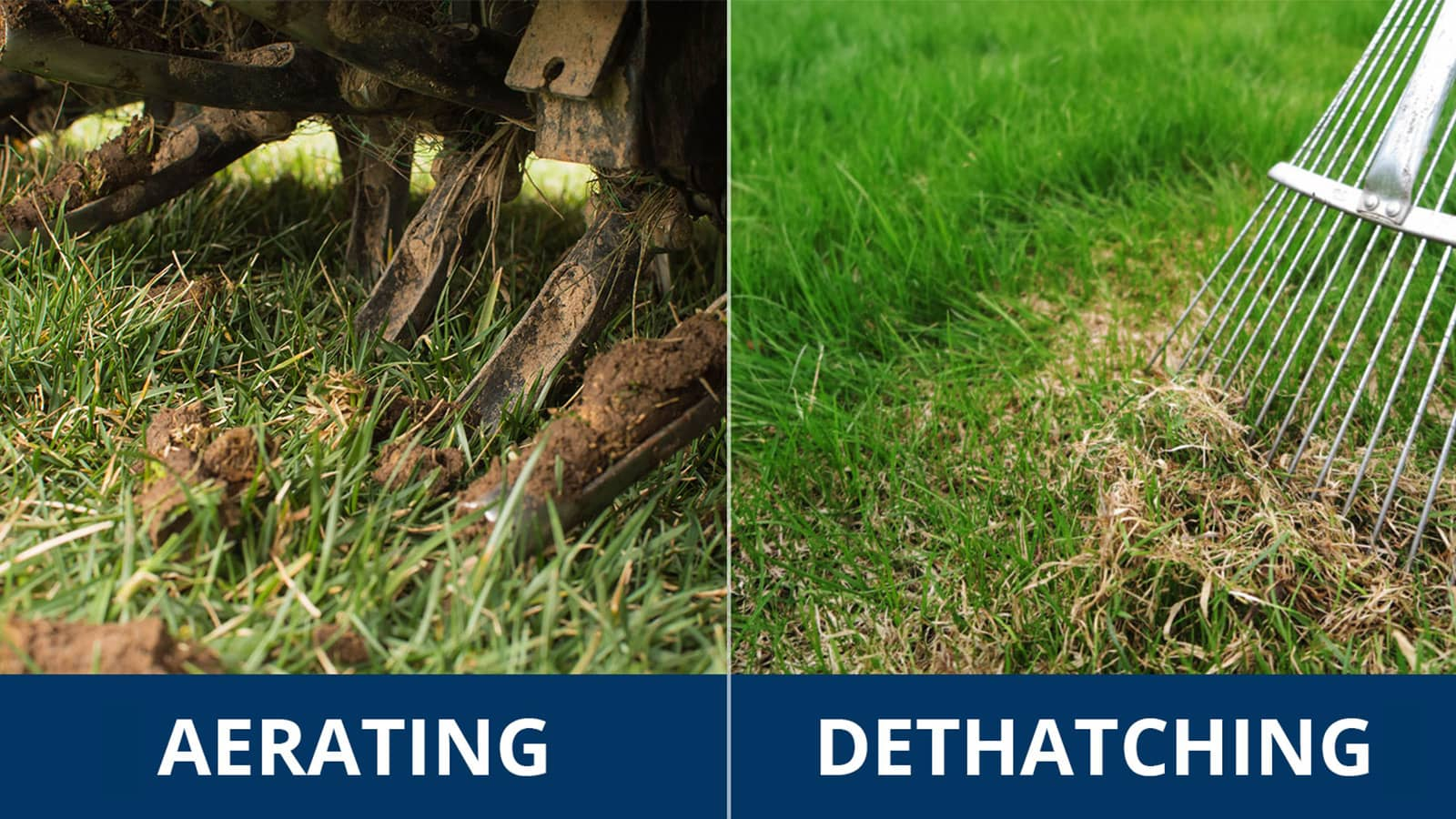
Seeing yellow patches or standing water often means your yard is struggling to breathe. Packed soil and heavy layers of old grass can prevent nutrients from doing their job. Choosing the right fix depends on the specific signs showing up in the turf. This guide explains how to restore the health of the grass. Follow these steps to keep the yard lush and soft throughout the growing season.
Aeration vs Dethatching: Understanding the Difference for Better Lawn Health
If you have a yard that feels spongy, there’s a chance that it has too much organic gunk sitting on top of the dirt. Dethatching is all about removing that debris because it makes way for new sprouts to emerge. However, the choice between aeration and dethatching depends on whether the issue is surface clutter or hard, packed soil.
Aeration is all about punching holes into the earth to allow oxygen to circulate where the roots actually live and grow. Both of these lawn care methods play different roles in keeping your outdoor space looking great. Staying on top of your lawn maintenance helps to prevent long-term damage from heavy foot traffic or poor drainage.
What Is Lawn Aeration and How Does It Work?

Want your grass to stay bright green all through the summer months? Then you need to ensure it gets a consistent supply of air and water. As soon as the ground gets too tight, you can take advantage of spike aeration to poke holes that make it easy for moisture to travel downwards.
Opting for core aeration is usually the best move when the yard feels solid and won’t absorb any water. This method provides the best soil compaction relief by giving the roots enough room to spread out and get strong. Opening up the surface that way makes it easy for every drop of water to nourish the lawn.
What Is Dethatching and Why Is It Important?
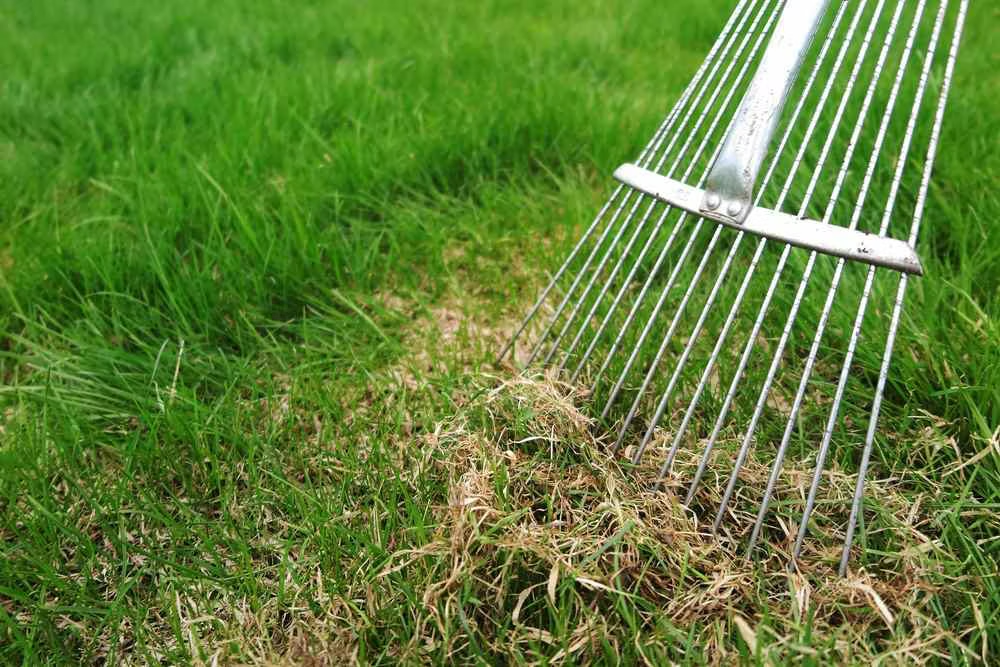
Your grass needs room to breathe just like any other living thing on the planet. With time, a layer of dead grass and organic debris will start to form a thick carpet on your soil.
This excess thatch buildup acts like a waterproof tarp, and it blocks water and nutrients from reaching the roots where they are needed the most. You should perform a lawn dethatching session regularly to break up this layer so that moisture reaches the roots easily.
Removing that debris will make your yard look better and also prevent pests from hiding around. Every lawn dethatching project helps your grass to stay green and bouncy underfoot instead of feeling spongy, thin, and unhealthy throughout the growing season.
Key Differences Between Aeration and Dethatching
Healthy lawns need more than just mowing and watering to stay lush throughout the year. Sometimes the dirt gets so packed down that roots cannot grow deep enough to find moisture. You can help the ground to relax by removing tiny cores of earth.
This is completely different from dethatching which is all about clearing out the dead organic matter. Picking the right lawn treatment methods depends on the specific problems that your yard faces each season. Looking through all of these aeration and dethatching differences will help you decide if your focus should be on the heavy dirt or the tangled mess on top.
Signs Your Lawn Needs Aeration
Healthy yards require more than just sunlight and regular watering to stay lush. Sometimes the ground gets so tight from heavy foot traffic that compacted lawn soil stops the flow of necessities like air and water. Water that stays in large pools on the grass suggests poor lawn drainage is currently a problem.
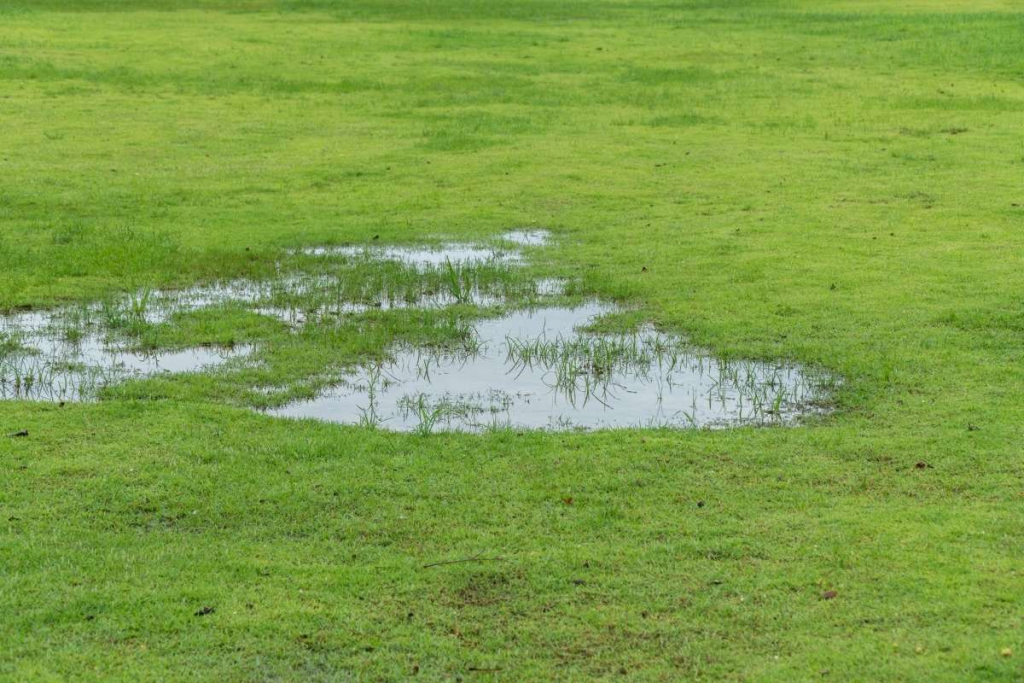
Without a way to reach the roots, the turf starts showing weak grass growth and loses its deep green color. Noticing these specific signs that your lawn needs aeration early makes the recovery process much faster for the lawn. Giving the soil some breathing room helps the grass recover its natural thickness and strength over time.
Signs Your Lawn Needs Dethatching
Walking across the yard shouldn’t feel like stepping on a mattress. If the turf has a bit too much give, it is likely a spongy lawn feel. This happens when bits of dead grass pile up faster than they can break down.
If you want to check for a thick thatch layer, you can simply cut out a small wedge of turf to see the brown matting between the green blades and the soil. Usually, an unhealthy grass thatch blocks water and nutrients from getting to the roots where they are needed most.
Being able to spot these signs that your lawn needs dethatching will help you keep the grass from turning yellow or thinning out during the summer heat.
Benefits of Lawn Aeration for Grass Growth
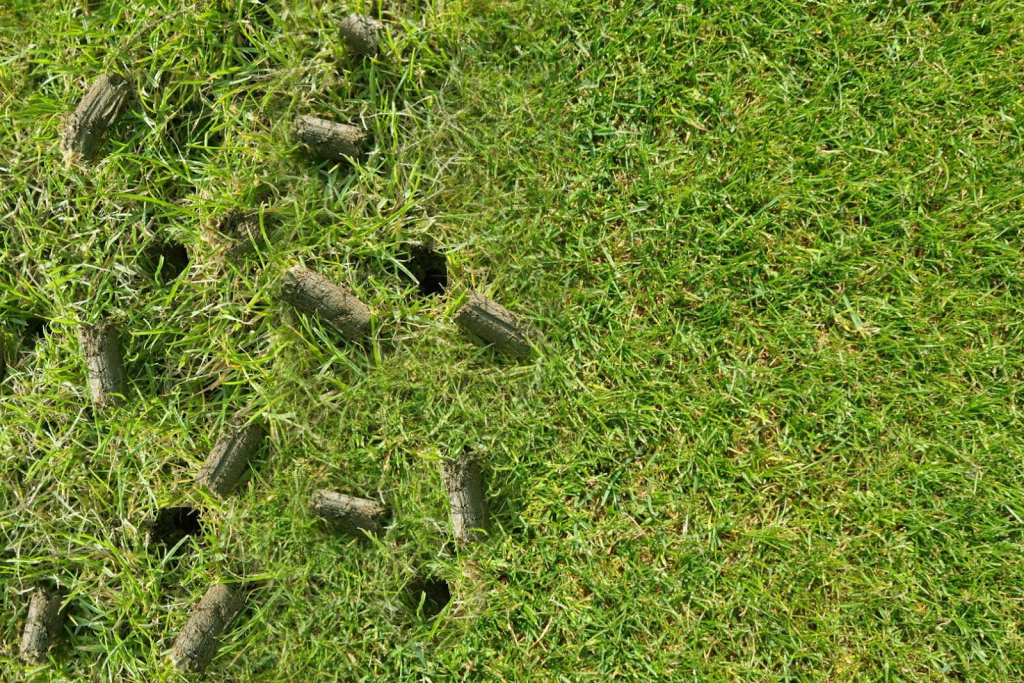
Struggling turf often just needs a little bit of room to move and take in a deep breath. Performing aeration regularly on your lawn helps to improve the soil by making sure the ground stays soft and receptive to rain.
As time goes on, stronger and deeper systems develop which leads to improved root growth and a much more resilient yard overall. Another benefit of lawn aeration is that it fixes the damage caused by kids or pets running across the grass.
Opening the surface allows for better nutrient absorption so that every drop of water or bag of feed actually helps the plants. Your yard ends up looking lush and thick without needing constant extra work or heavy watering.
Benefits of Dethatching for Lawn Health
Thick layers of old clippings and organic matter act like a waterproof tarp over your yard. One of the main benefits of dethatching is that it allows water to reach the roots instead of running off into the street. Opening up the surface results in improved lawn airflow which keeps the ground from getting stagnant.
You should get rid of that spongy layer as it is one of the most important tactics when it comes to disease prevention. The new shoots will finally have the space they need to spread out. This results in healthier turf grass that feels soft underfoot.
When to Choose Aeration or Dethatching for Your Lawn
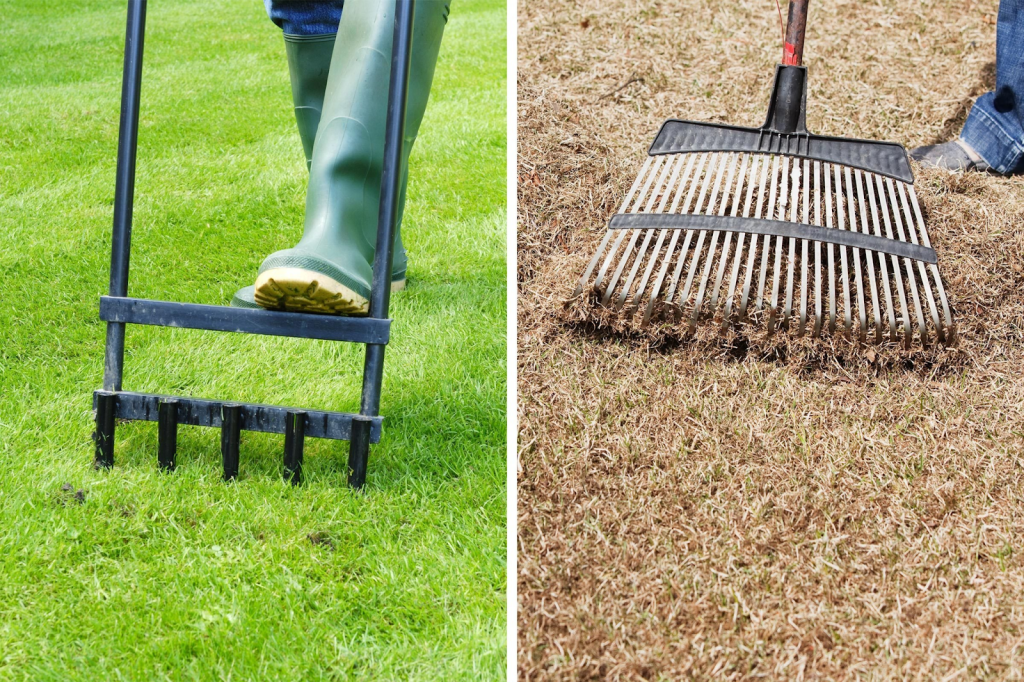
Checking the thickness of the thatch on your lawn helps show if a power rake is necessary to clear out the mess. This lawn treatment decision becomes clear once the soil density is tested with a simple screwdriver.
It is important that you decide early on whether you are going for aeration or dethatching, so that whatever issue your lawn is facing can be fixed on time before they become a bigger problem. Most people find that seasonal lawn care works best during the peak growing months for their specific yard.
Following the right steps for maintaining your grass type will help make sure that the roots stay deep and the blades still look good even when the weather turns harsh.
Conclusion: Using Aeration and Dethatching Together for a Healthier Lawn
Yards often get tired when the soil is too tight for water to soak in properly. Implementing some of the lawn care best practices we have listed in this article will help your grass fight off weeds and pests naturally without relying on any heavy chemicals.
Using this aeration and dethatching guide simplifies the process of choosing which treatment your grass needs most right now. Stronger roots mean the grass stays greener for much longer even when the rain stops for a while.
Consistency is the secret to maintaining healthy lawns that make the neighbors do a double take. Building a complete lawn care routine around these tasks ensures a beautiful yard.
Tell us which of these two tasks your yard needs the most this season in the comments below!