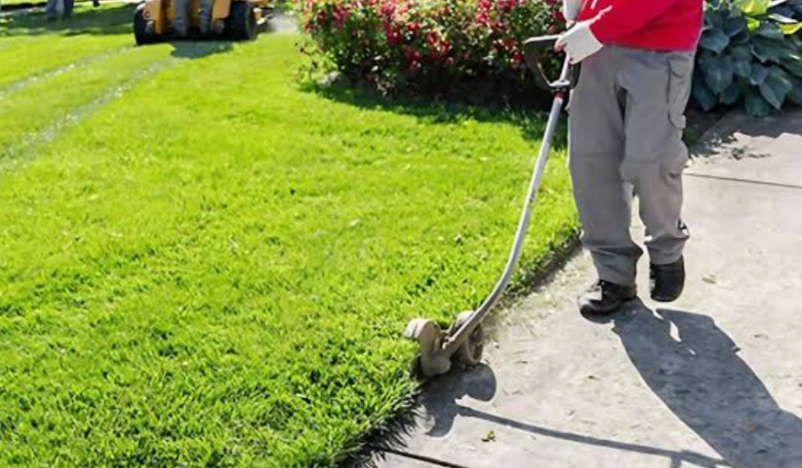
Have you ever wondered how homeowners keep their yard looking professionally maintained on a budget? String trimmer lawn edging is a low-cost, simple yet high-impact solution for cleaning your yard and making it look sharper and more aesthetically appealing.
In this guide, you’ll learn how to edge a lawn with trimmers for precise and efficient grooming. By edging your lawn with string trimmer tips, you’ll improve your yard’s health and keep it looking sharp as the envy of your neighborhood.
This guide also breaks down lawn edging for beginners by covering its essentials and detailing ideal brands and types to use for success.
Why Lawn Edging Makes a Big Difference
As a beginner, it’s normal to think “why edge your lawn?” when you already do other grooming activities like trimming and pruning, and the answer is simple.
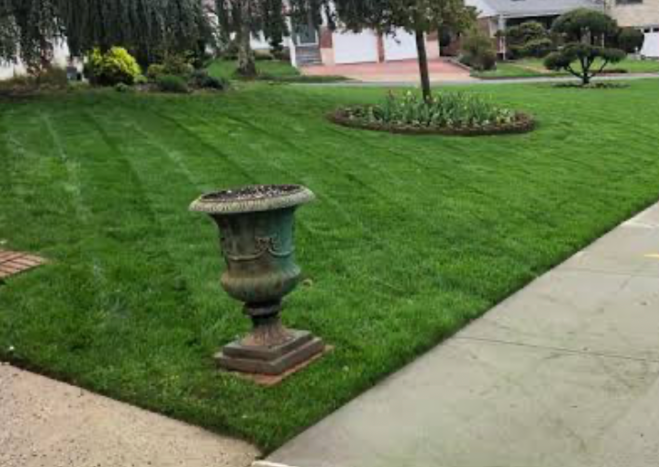
There are practical and visual benefits of lawn edging, including distinguishing grass from beds, cleaner borders, and improved curb appeal.
When you clean lawn borders with your edge trimmer, it also makes mowing and general yard maintenance easier. So, not only would you improve curb appeal on your lawn, but you’ll also make your maintenance routine efficient over time.
Choose the Right String Trimmer for the Job
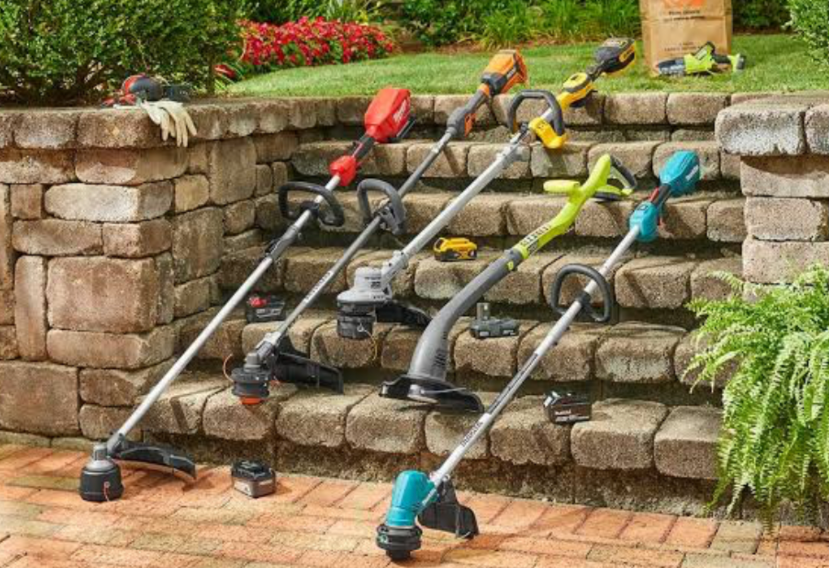
As beginners, choosing the best string trimmer for edging can be difficult because you don’t know what you need. That’s why this lawn trimmer buying guide will tell you what you should look for in a string trimmer.
The guide covers essential edging-trimmer features, including power source, shaft type, comfort, and handling.
Power Source
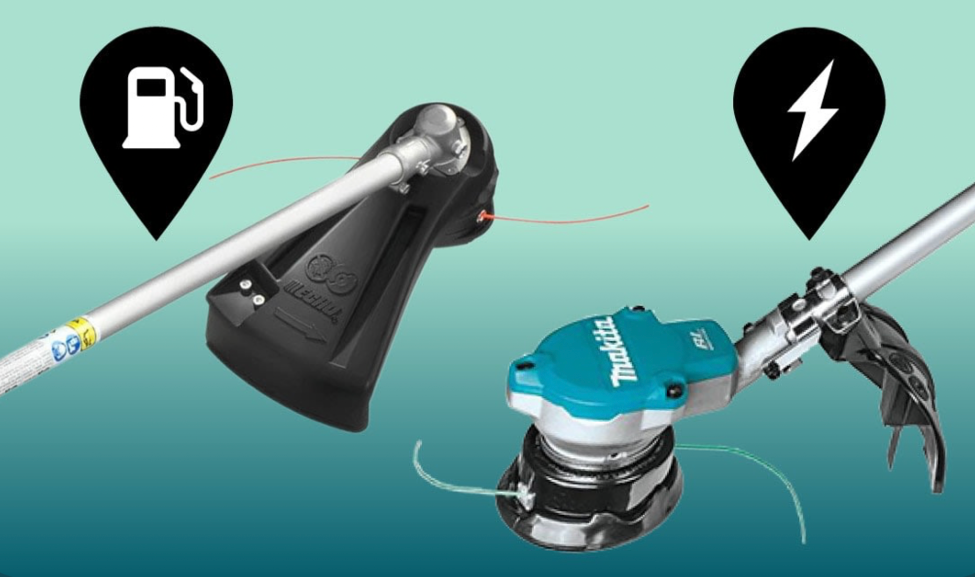
Edge trimmers can be gas, corded, or battery-powered models, depending on the power source. As the names imply, gas-powered models run on gas, corded models use electricity, and battery-powered models are cordless tools.
If you’re deciding between a corded, gas vs. battery string trimmer, you must consider factors like your yard size, skill level, edging frequency, comfort, and budget.
Shaft Type
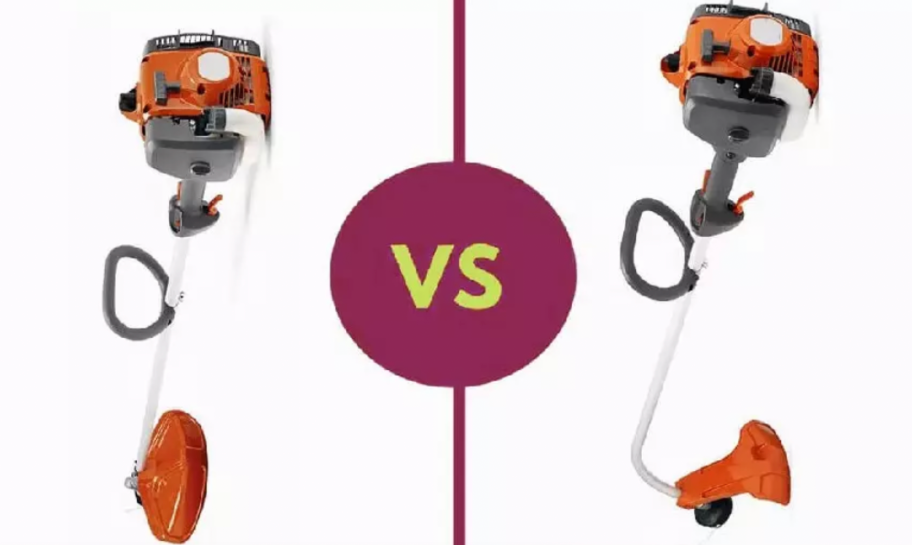
String trimmers can have straight or curved shafts. With straight shafts, you’ll get durable, high-powered, and versatile cuts, while curved shafts have higher blade speed and offer more comfort to beginners.
If you’re on a budget, the curved shaft string trimmer is ideal, while experts with large yards can go for the straight shaft model.
Comfort and Handling
Straight-shaft string trimmers offer greater reach and durability, while curved-shaft models, despite being compact and mobile, are shorter-lasting.
Regardless of your skill level, tall users would be more comfortable with straight-shaft string trimmers, while shorter users would handle curved-shaft models better.
Learn the Best Technique for Cleaner Edges
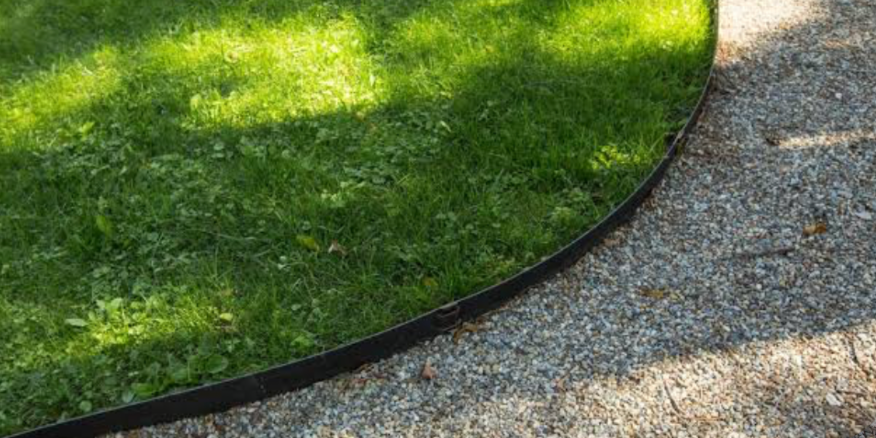
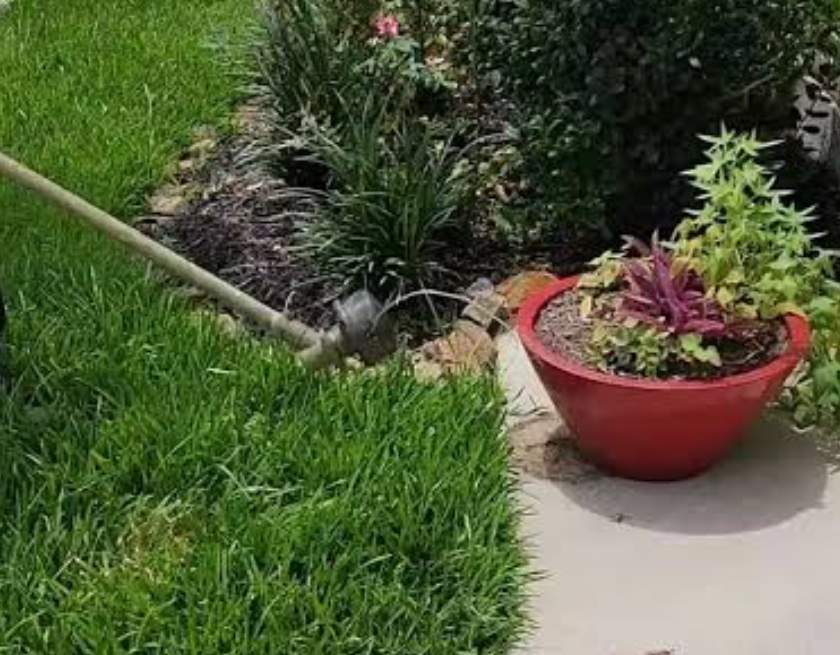
After choosing the right model, you must decide on a string trimmer edging method. Choose a lawn edging technique with proper body position, trimmer angle, movement, and pacing to create crisp, even lawn edges.
- Rest the trimmer on your shoulder for support.
- Set the trimmer at a 90-degree angle.
- Walk opposite to the trimmer movement. Move from left to right for clockwise rotation and right to left for anti-clockwise movement.
- Pace yourself slowly as the trimmer grazes the ground.
With these clean lawn edging tips, you can make precise cuts with low effort. Here’s a practical step-by-step process on how to edge with weed eaters without jagged lines, uneven cuts, or damaging nearby grass and plants.
Follow the Step-by-Step Process for a Neat Finish
Now, for a detailed step-by-step lawn edging process using a string trimmer, from preliminary clearing to post-trim cleanup.
Step One: Clear Debris and Mow
Any expert teaching you how to edge yard borders will tell you to always clear your landscape and mow your grass to a reasonable height, about 1 inch from the ground, before trimming.
Step Two: Make a Path
Map out the area you want to trim by marking both ends with a wooden spike for straight shaft trimming or a flexible hose for curved shaft trimmers.
Step Three: Moisten your Soil
Lightly water your yard to moisten the soil without waterlogging it. It’ll make the grass easier to cut and encourage new, healthy growth.
Step Four: Cut your Edge
Follow the technique described above to ensure you trim lawn edges properly without jagged edges or uneven cuts.
Step Five: Clear Clippings
Use a leaf blower or a rake to clear the clipped grass from your yard for a clean finish. You can use the sods and soil as compost for bare patches on your lawn or your garden.
Next up in this string trimmer lawn edging tutorial are common mistakes to avoid.
Avoid Common Edging Mistakes That Ruin the Look
Common lawn edging mistakes beginners and some pros make include using worn trimmer lines, moving too fast, cutting too deeply, or skipping regular touch-ups.
You’ll notice that these edging errors to avoid are the opposite of the ideal technique for efficient and precise cuts.
Using worn lines gives jagged cuts. Inconsistent, fast movements cause imprecise cuts, and using the wrong model may lead to cutting too deep or not deep enough. These bad string-trimmer edging actions will affect the final result and deprive you of your clean finish.
However, you can make uneven lawn edge fixes by focusing on the trench or the grass.
For structural damage, use the backfill method to cover deep cuts with topsoil and compost for regrowth, and recut uneven sections with a better technique.
For aesthetic correction, work on your trimmer angle and level your grass.
Maintain Your String Trimmer for Better Performance
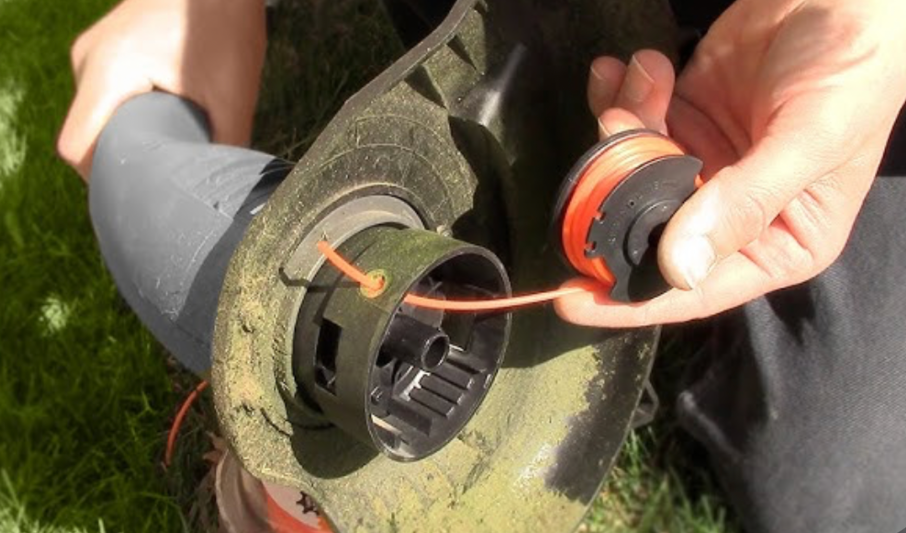
String trimmer maintenance is necessary for durability and better performance. If you’re wondering about how to maintain a weed eater, then follow these string trimmer care tips:
- Replace trimmer line periodically.
- Inspect the motor before and after use.
- Charge batteries to the optimal level before starting the tool.
- Clean the head immediately after use.
- Store your tool in a safe, clean, dry spot, preferably a shed.
Keep Lawn Edges Looking Sharp All Season
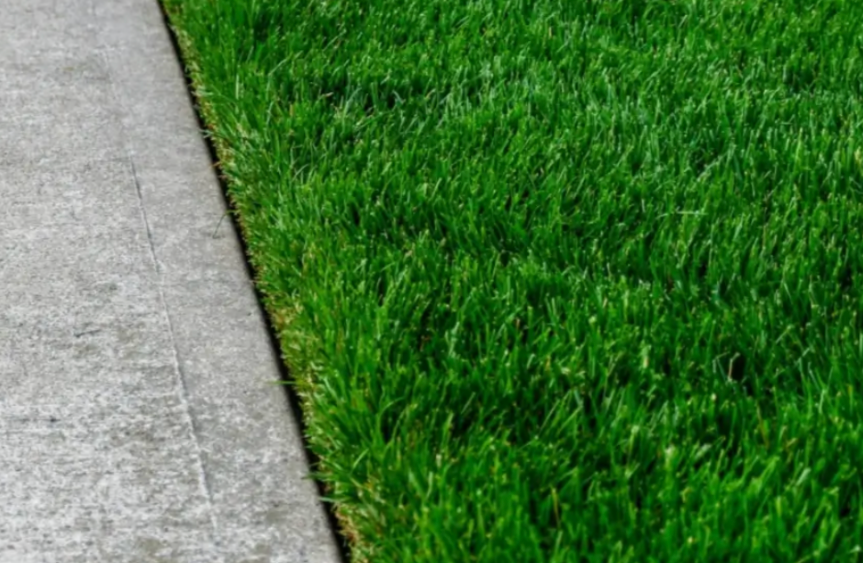
You can maintain lawn edges year-round if you follow these seasonal lawn edging tips. They’re small upkeep habits that build up to giving you a clean, flawless yard throughout the growing season.
These seasonal lawn edge upkeep habits include:
- Bi-weekly trimming in the spring/summer season and monthly trimming in the fall and winter months.
- Add edging hardscape elements such as stone, bricks, wooden fences, and metals to your yard to restrict grass growth.
- Improve your edge’s structural flow by using more curves than sharp edges.
- Use the techniques in this guide for precise and clean cuts.
Doing these will keep lawn borders neat without needing a complete redo every time you want to trim your edge.
Conclusion
From these edging lawn with trimmer guide and tips, you can see that using a string trimmer is a simple skill that can noticeably improve the overall look of a yard.
Choose the right tool and use an easy lawn edging method to ensure you have a long-term, professional-looking, aesthetically pleasing yard.
Don’t ignore basic clean-yard border tips, like hardscaping, moistening, and mowing before trimming, so you’ll have a seamless flow while working. Add lawn finishing touches, like clearing your clippings and using borders to separate grass from plants, for a beautiful result.
All you need is consistency and proper technique to make your lawn look more polished and professionally maintained.