
If you have ever looked at your yard and wished it could turn green almost overnight, you are not alone. The idea behind fast-growing lawn grass is simple. It is grass that germinates quickly, spreads efficiently, and fills bare spots in record time. Instead of waiting months for thick coverage, you begin to see visible change within weeks.
This kind of grass is perfect for homeowners who want a quick transformation, whether you are repairing patchy spots or starting from scratch. With the right choice, quick-growing grass can give your lawn a fresh, vibrant appearance much sooner than traditional varieties.
One of the biggest advantages is rapid lawn growth, which helps protect the soil from erosion and keeps weeds from taking hold. The faster your lawn establishes, the sooner it becomes strong and self-sustaining. Choosing the best grass for fast results means less waiting and more enjoying your outdoor space.
A lush lawn does not have to be a long, drawn-out process. With the right approach, your yard can look alive and healthy before you know it.
Benefits of Fast-Growing Lawn Grass
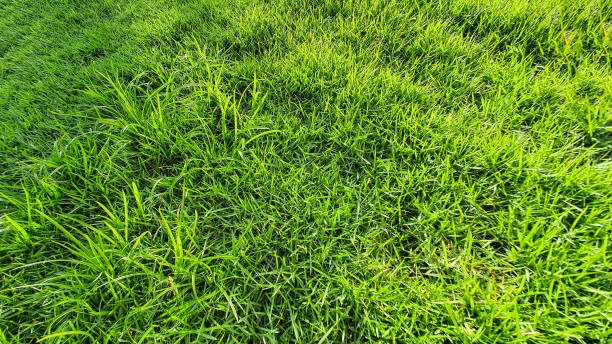
There is something satisfying about seeing progress quickly. The benefits of fast-growing grass go far beyond just good looks.
• Faster coverage means fewer bare spots
• Quicker shade over soil helps retain moisture
• Strong early roots create a stable foundation
• Less opportunity for weeds to invade
One major advantage is quick lawn establishment. When grass sprouts and spreads rapidly, it anchors itself firmly into the soil. This early strength helps it handle foot traffic, rainfall, and temperature shifts more effectively.
Another big plus is that many fast-growing types are naturally weed-resistant grass options. When grass fills in densely, weeds struggle to find room to grow. Thick lawns naturally crowd out unwanted plants without the use of heavy chemicals.
Perhaps the most noticeable benefit is fast lawn coverage. Within a short period, your yard shifts from dull and uneven to green and inviting. It boosts curb appeal, enhances outdoor gatherings, and gives you a soft place to relax or play. Fast growth does not mean careless growth. When managed well, it creates a strong and beautiful lawn that lasts.
Types Of Fast-Growing Lawn Grass

Understanding the different types of lawn grass helps you make smarter decisions. Grass generally falls into two main groups, often discussed as warm-season vs. cool-season grass. Your climate plays a big role in which category works best.
Warm-season grasses thrive in hot weather and grow most actively during late spring and summer. Cool-season grasses prefer mild temperatures and grow quickly in spring and fall.
When choosing among fast-growing grass varieties, consider:
• Average yearly temperature
• Rainfall patterns
• Sun exposure
• Soil type
Picking the best grass for your climate ensures you get both speed and sustainability. A grass that grows fast but struggles in your region will not give you lasting results. Matching grass type to environment is the secret to steady, reliable growth.
Warm-Season Grasses: A Closer Look
If you live in a hot region, warm-season lawn grass might be your best option. These grasses wake up when temperatures rise and love full sunlight.
One popular choice is Bermuda. Known for strong Bermuda grass growth, it spreads quickly through runners and fills open areas with impressive speed. It handles heat, heavy use, and bright sun with ease. Zoysia is another favorite. A well-established Zoysia grass lawn forms a dense carpet that feels soft underfoot. It grows steadily and creates a thick barrier against weeds.
Buffalo grass stands out for being Buffalo grass drought tolerant. It requires less water once established and handles dry spells gracefully. That makes it a smart pick for regions with limited rainfall.
Warm-season grasses are ideal if you want fast results during hot months and a lawn that thrives under intense sunshine.
Cool-Season Grasses Quick Options
For regions with cooler temperatures, cool-season lawn grass varieties deliver impressive speed during mild weather. These grasses truly come alive when days are comfortably cool and nights are crisp, making spring and fall their strongest growing seasons. Instead of struggling in extreme heat, they focus their energy on producing fresh blades and establishing healthy roots when conditions are just right.
Perennial ryegrass is famous for perennial ryegrass quick growth. It germinates rapidly, often sprouting within just a few days under proper moisture and soil conditions. This fast start makes it a favorite for homeowners who want to see visible progress almost immediately.
A healthy Kentucky bluegrass lawn spreads through underground stems known as rhizomes, which allow it to gradually fill in gaps and create a thick, even surface. While it may take slightly longer to germinate compared to ryegrass, it rewards patience with a rich color and dense texture that many homeowners love.
If you want speed right from the start, look for fast germinating grass seed blends. These mixes often combine ryegrass for quick sprouting with other varieties, such as Kentucky Bluegrass, for durability and long-term resilience. This combination approach gives you the best of both worlds, rapid early coverage and lasting strength as the lawn matures.
Ideal Conditions For Growing Fast Grass

Even the fastest grass needs the right environment. Creating the best conditions for grass growth ensures strong and healthy development.
Start with soil health. The correct lawn soil pH level allows nutrients to be absorbed efficiently. Most grasses prefer slightly acidic to neutral soil. Testing your soil gives you clear direction on adjustments.
Sunlight matters too. Adequate sunlight for grass lawn areas fuels photosynthesis, helping blades grow thick and green. While some grasses tolerate shade, most fast growers perform best with several hours of daily light.
Temperature also plays a crucial role. The right temperature for grass growth depends on the type you choose. Warm-season grasses prefer higher heat, while cool-season varieties thrive in milder weather. When soil, sunlight, and temperature align, growth becomes steady and noticeable.
Soil Preparation and Maintenance Tips

Good soil preparation sets the stage for success. Before planting, always prepare the soil for grass seed properly.
• Remove rocks and debris
• Loosen compacted soil
• Level uneven surfaces
• Mix in organic matter
One helpful step is lawn soil aeration. Aerating creates small openings that allow air, water, and nutrients to reach roots more easily. This encourages quicker establishment.
Adding compost to lawn soil improves structure and nutrient content. Compost enhances drainage while retaining enough moisture for young roots.
After planting, simple lawn maintenance tips make a difference:
• Keep foot traffic light during early growth
• Mow carefully once the grass reaches the proper height
• Remove fallen leaves promptly
Healthy soil and consistent care give fast-growing grass the boost it needs.
Watering Techniques for optimal growth

Water is essential, especially at the beginning. Proper watering of new grass seed helps prevent drying out and encourages steady sprouting. In the early days, keep the soil lightly moist. Avoid puddles, but do not let the surface dry completely. The goal is balance not soaking and not dryness
Lightly water once or twice a day, depending on the heat
- Check the top layer of soil regularly with your fingers
- Avoid creating puddles that can wash seeds away
- Make sure the surface never becomes dry and crusty
Following a simple lawn watering schedule keeps moisture levels consistent and prevents stress on young seedlings. Consistency is far more important than heavy watering at this stage.
As roots grow deeper, they shift toward deep watering lawn practices. This means watering less often but soaking the soil more thoroughly. Deep watering encourages strong root systems that can access moisture further below the surface. Timing also matters. The best time to water grass is early morning. Cooler temperatures reduce evaporation and allow blades to dry before evening, lowering disease risk.
Fertilization Practices For Fast Results
Nutrients fuel growth, especially in the early stages of lawn development. Choosing the right fertilizer for a new lawn supports strong root formation and steady blade growth without overwhelming tender seedlings. Gentle, balanced feeding gives young grass the boost it needs to establish quickly and evenly.
Many homeowners begin with a starter fertilizer for grass because it is specially formulated to encourage early root development. Strong roots mean better nutrient absorption, improved drought tolerance, and a lawn that matures with stability and strength.
Following a simple lawn fertilization schedule ensures nutrients are applied at the proper times throughout the year. Feeding during active growth periods allows grass to use nutrients efficiently, resulting in thicker coverage and healthier color.
- Understanding essential nutrients for grass growth helps you make smarter choices
- Nitrogen promotes rich green color and leafy growth
- Phosphorus supports deep and healthy root development
- Potassium improves overall resilience and stress tolerance
- Balanced nutrients encourage even coverage and long-term lawn strength
Feeding wisely turns quick sprouting into lasting success. When nutrients are applied thoughtfully and at the right time, your lawn grows fuller, stronger, and more vibrant with each passing season.
Common Pests and Diseases to Watch For

Even fast-growing lawns can face challenges, especially during periods of rapid development when tender roots and fresh blades are still strengthening. Being aware of lawn pests and diseases helps you act early before small issues turn into widespread damage. Regular inspection, such as walking across your yard and looking for unusual color changes or thinning spots, can make a big difference.
One common issue is grubs in lawn soil. These small white larvae live beneath the surface and quietly feed on grass roots. Because the damage happens underground, you may not notice it immediately. Over time, affected sections may feel spongy underfoot or lift easily from the ground like loose carpet.
Another problem is brown patch disease on grass, which appears as circular brown spots during warm, humid conditions. These patches can spread quickly if moisture sits on grass blades for too long. Lawns that are watered late in the evening or cut too short are often more vulnerable.
To protect the lawn from pests, follow these simple steps:
• Avoid overwatering
• Maintain proper mowing height
• Improve air circulation
• Remove thatch buildup
Early detection and prevention keep your lawn thriving. A watchful eye and consistent care ensure your fast-growing grass stays healthy, green, and resilient throughout the season.
Troubleshooting Common Fast-Growing Grass Problems
Sometimes growth does not go as planned. Addressing patchy lawn problems quickly prevents further damage.
If you notice grass not growing evenly, check for compacted soil, uneven watering, or shade issues. Adjusting care routines can restore balance.
To fix thin lawn areas:
• Overseed bare spots
• Apply compost lightly
• Ensure consistent watering
Many lawn growth problems stem from soil conditions or nutrient imbalances. Testing soil and adjusting care can bring back strong, uniform coverage. Patience paired with observation leads to improvement.
Long-Term Care For Your Fast-Growing Lawn
Speed is exciting, but consistency keeps lawns beautiful. Proper long-term lawn care ensures your grass stays thick year after year.
Maintain correct mowing height for grass. Cutting too short stresses plants and weakens roots. Follow the one-third rule and remove only a portion of the blade height at each mowing.
Regularly overseeding lawn areas keeps coverage dense and fills in gaps before weeds appear.
To truly maintain healthy lawn conditions:
• Aerate annually
• Fertilize during active growth
• Water deeply but not excessively
• Monitor for pests
Conclusion: Choosing the Right Fast-Growing Grass For Your Lawn
Creating a vibrant yard does not require endless waiting. Selecting the best fast-growing grass for your region sets everything in motion.
By preparing soil carefully, watering wisely, and feeding properly, you can enjoy a quick green lawn that looks full and inviting in a short time.
True success comes from balanced effort and consistent healthy lawn care. When you combine the right grass type with thoughtful maintenance, your yard transforms into a space that feels alive, comfortable, and welcoming. Fast growth gives you momentum. Smart care keeps that momentum going.