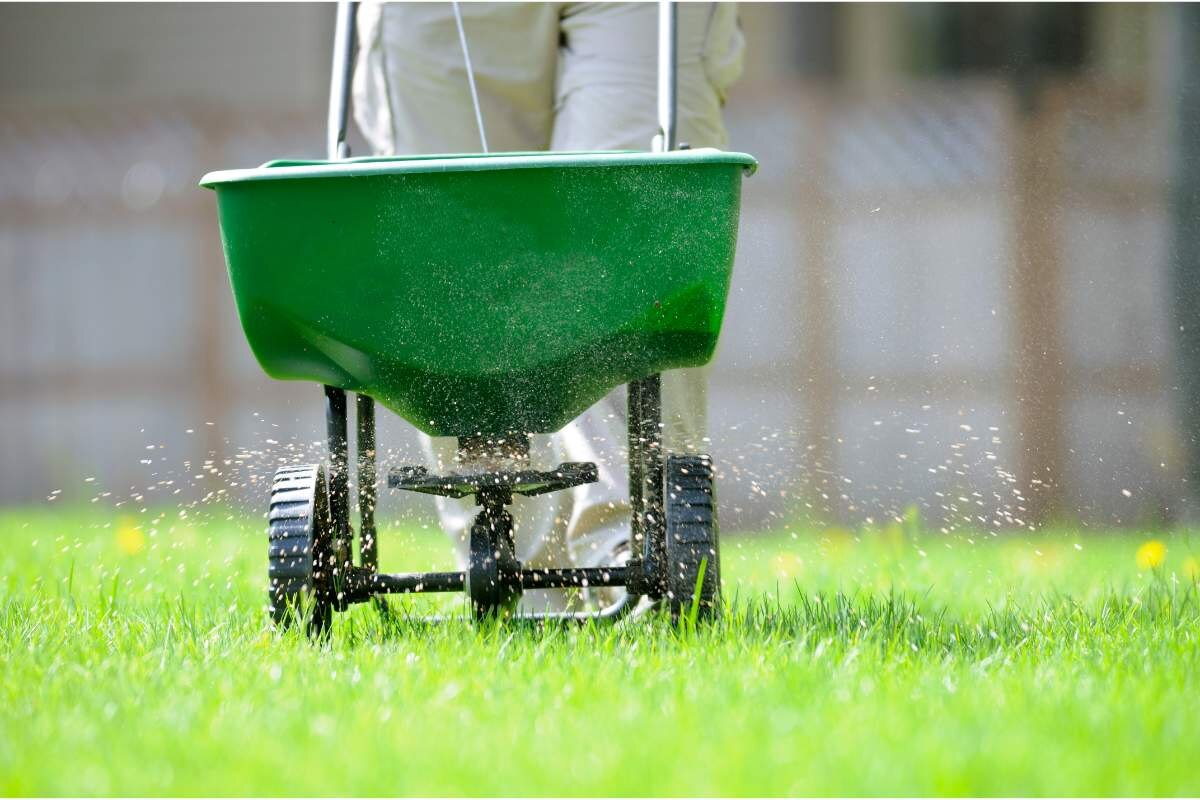
Growing a better yard depends on patience and building the right habits. Matching nutrient ratios to your specific grass species ensures that the blades have enough fuel to survive a long frost. Avoiding runoff and overfertilizing helps to keep the grass from burning or turning yellow. These smart fertilization strategies offer everything needed to support root growth and achieve professional results without the high cost of a contractor.
Fertilization Techniques For Healthy Lawns Tips
Giving your yard a boost of nutrients helps it to stay tough when the weather gets rough or too dry. The presence of stronger roots means that your yard will be able to pull in water more easily and stay colorful even in the sun. These specific lawn fertilization techniques focus on matching the food to the specific type of soil in the yard.
It is important that you time the application correctly, as it makes a huge difference in how the grass grows back after the winter ends. For you to achieve lush green grass, you need a steady schedule rather than just throwing food down whenever it looks dry.
The Importance of Fertilization in Lawn Care

Without some extra nutrients, the soil eventually runs dry, and the yard begins to look tired or thin. This is why lawn fertilizers are very important. They also make your yard thick enough to prevent weeds from moving in.
You should use a mix of nitrogen, phosphorus, and potassium to ensure that your grass has the energy to grow fast. Another lawn nutrition benefit is that your lawn will be able to survive a long drought without turning brown. Proper feeding is also important because it helps to prevent weak grass that usually falls victim to disease or patchy spots.
Best Times to Fertilize Your Lawn
If you have a cool-season lawn like Kentucky Bluegrass, then you’ll need to hit the ground running in early spring to help the roots wake up.
It is best that you stick to a lawn fertilizing schedule that keeps your grass long enough to crowd out any weeds. As soon as the sun gets intense, it may be a good idea to switch your focus to warm-season varieties.
Late spring often serves as the best fertilizing time for these heat-loving grasses since they grow fastest in July. One aspect of proper seasonal lawn care involves waiting for the fall to feed northern lawns again so they can survive the winter. Getting the timing of your fertilizer application right prevents chemical burns that happen when the ground is too dry.
Types of Fertilizers: Organic vs. Synthetic
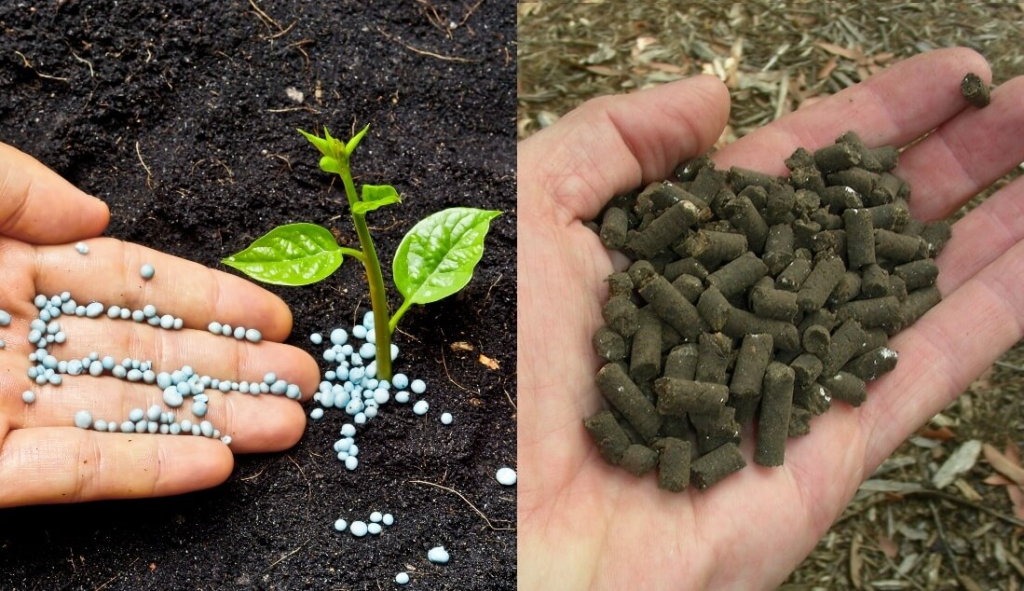
Keeping your lawn looking sharp often comes down to what happens beneath the soil. Using natural lawn care products can help to build up the soil quality by adding actual nutrients that stay put. This is an eco-friendly lawn feeding approach that relies on materials like manure to provide a steady supply of energy for the grass.
When comparing an organic vs synthetic fertilizer, the main difference is usually how long the effects last. Many people prefer to use chemical fertilizers on their lawn because they deliver nutrients straight to the roots for an instant green glow. These fast acting blends get the job done but might wash away during heavy rain.
How to Choose the Right Fertilization Technique
Getting that lush, carpet-like grass starts long before the spreader hits the yard. Every lawn has its own personality, and this is shaped based on the soil beneath it and the local weather.
You can do a bit of soil testing for your lawn to know exactly what nutrients are missing. This bit of homework makes it much easier to choose the lawn fertilizer that fits your specific grass species.
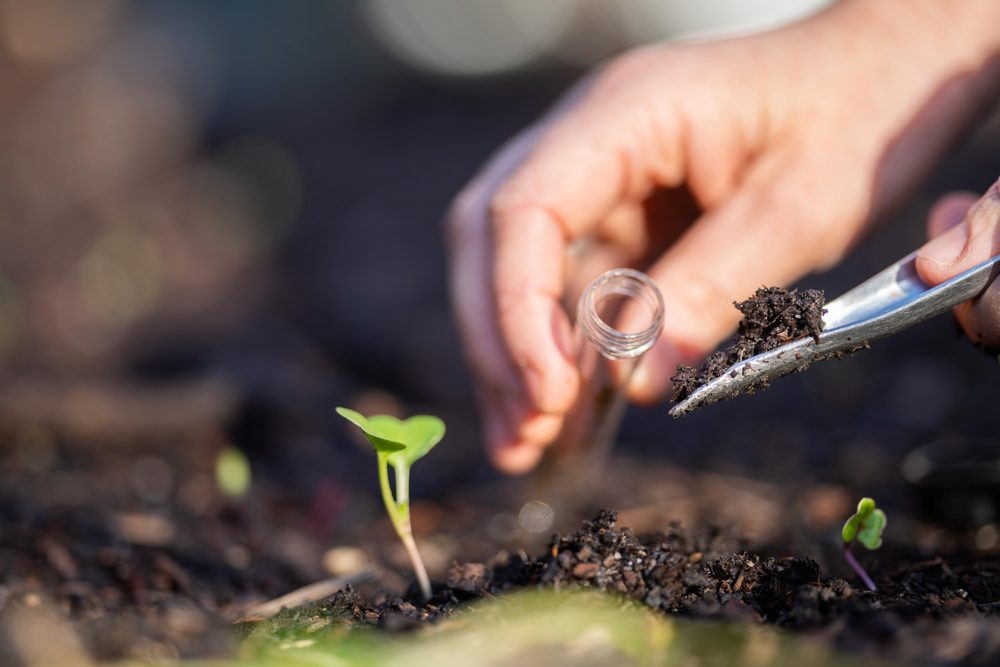
There are many homeowners who prefer to use sprays because of the quick boost they give. There are also those who love the long lasting and consistent growth that comes with other fertilization methods such as pellets.
Essential Nutrients for Lawn Health
Nitrogen is usually what gives grasses that deep emerald look that is so beautiful. On every fertilizer bag, you’ll see a specific nutrient ratio that plays a very big role in how your grass will grow. Phosphorus usually works by focusing on the hidden parts of your grass by strengthening the roots.
Getting the NPK balance right for your lawn means you’ll be able to give exactly what is needed. Potassium builds up the internal strength of each blade to fight off disease. Tiny amounts of micronutrients like iron prevent yellowing and keep the blades looking sharp.
Common Mistakes to Avoid in Lawn Fertilization
One very common mistake many people make is overfertilizing by dropping a pile of pellets in one corner.
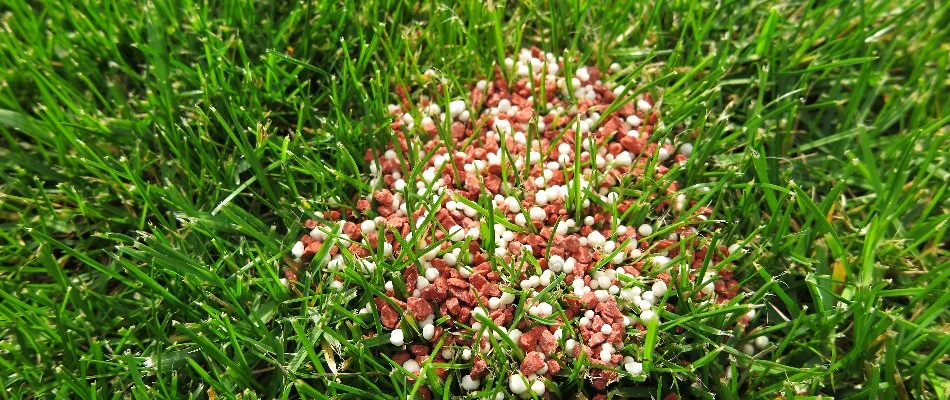
This is one act that can kill the blades fairly quickly. It is always best to walk at a consistent pace while you are fertilizing to avoid an uneven lawn growth.
You should also check the soil before you start to be sure that the grass can actually absorb the food. Another common oversight is ignoring the clouds above. You should always plan for a dry window to prevent any fertilizer runoff.
Most lawn fertilizer mistakes come down to rushing the process or guessing the amount of product needed for the specific size of the yard.
DIY Fertilization Techniques: Homemade Remedies
Instead of just bagging up clippings, you can let them decompose naturally to feed the roots. You can also take advantage of a compost tea recipe that makes it easier for you to spray liquid nutrients directly onto the grass.
Many natural fertilizers help with building long-term health rather than just a quick green fix. A bit of Epsom salt dissolved in a sprayer helps to fix yellow spots by adding missing minerals. Simply switching to DIY organic lawn care helps to protect the environment.
Incorporating Soil Testing into Your Fertilization Plan
Lush green grass depends a lot on the quality of the soil. Using a soil testing guide is the best way to see what is happening underground. You can take several small scoops of dirt from various areas to give a complete view of the health of the lawn.
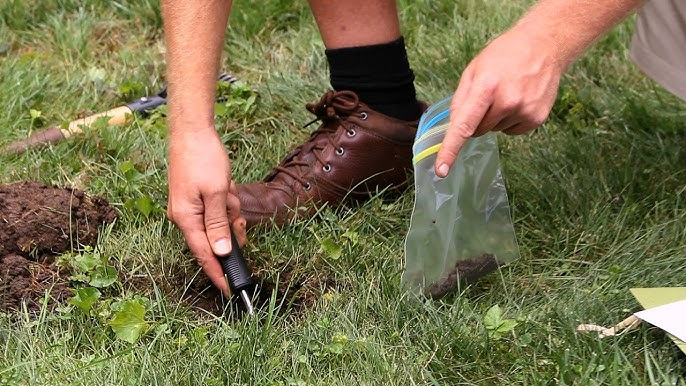
After the lab sends back the data, you can use that to adjust your fertilizer plan so that you give your soil the perfect nutrient mix. Most bags show three numbers, and matching those to the test results prevents using the wrong products. You should test your lawn nutrients every few years to stay ahead of any issues.
Seasonal Fertilization Strategies for Different Grass Types
The only way green grass can stay that way is for the soil to get exactly what it needs at the right moment. Following a solid lawn feeding guide makes sure that those nutrients arrive just as the roots start searching for energy.
Northern yards tend to thrive when the fertilization of the grass happens in the early spring and late autumn. This cycle is distinct from a cool vs warm season lawn setup since southern varieties go dormant when the air gets chilly. A well-timed seasonal fertilizer plan makes sure the grass has enough fuel to survive a long frost or a scorching drought.
Post-Fertilization Lawn Care: Maintenance Tips
Solid post fertilizing care is very important as it keeps the grass from getting stressed by the new influx of nutrients.
A good soak should be your first priority, as watering after applying fertilizer activates the ingredients and protects the leaf blades from chemical damage.
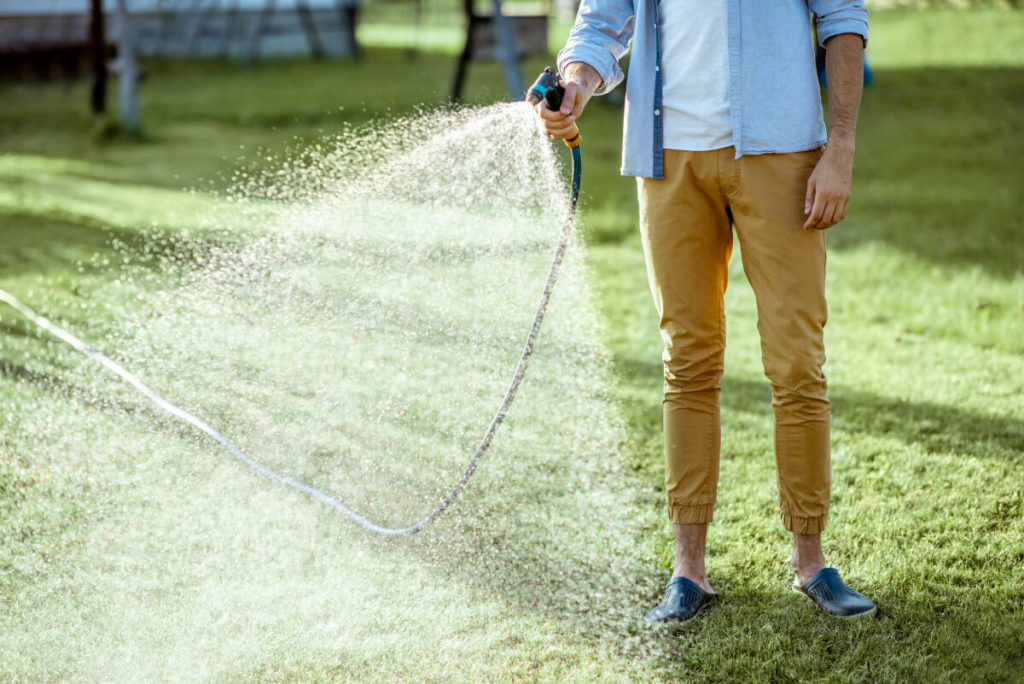
Smart mowing keeps the soil at a good height and helps to keep the soil shaded and prevents the sun from baking the ground.
Environmental Considerations in Lawn Fertilization
Heavy rain usually carries more than just water away from a yard. It often takes excess chemicals straight into the storm drains. Adopting a sustainable fertilization routine helps to prevent those extra nutrients from washing away during a storm.
Slow-release options usually give your grass a steady diet that prevents the sudden growth spurts that weaken roots. Adding organic matter like leaf compost improves the soil so that it holds onto moisture better. Relying on eco lawn care methods protects the birds and bees that visit the backyard.
Conclusion: Grow a Stronger, Greener Lawn Through Smart Fertilization
Maintaining a vibrant yard depends on a bit of patience and building the right habits. Sticking to a steady fertilization routine helps to keep the soil rich and supports the roots through every season.
Picking the right moments to feed your soil ensures that the blades stay strong against heat or cold. Choosing natural options encourages sustainable grass growth without hurting the local water supply or beneficial insects. That bit of extra effort leads to healthy lawn success that neighbors will definitely notice.
Spread some compost over your lawn this month and let us know if you see a difference in the comments below!