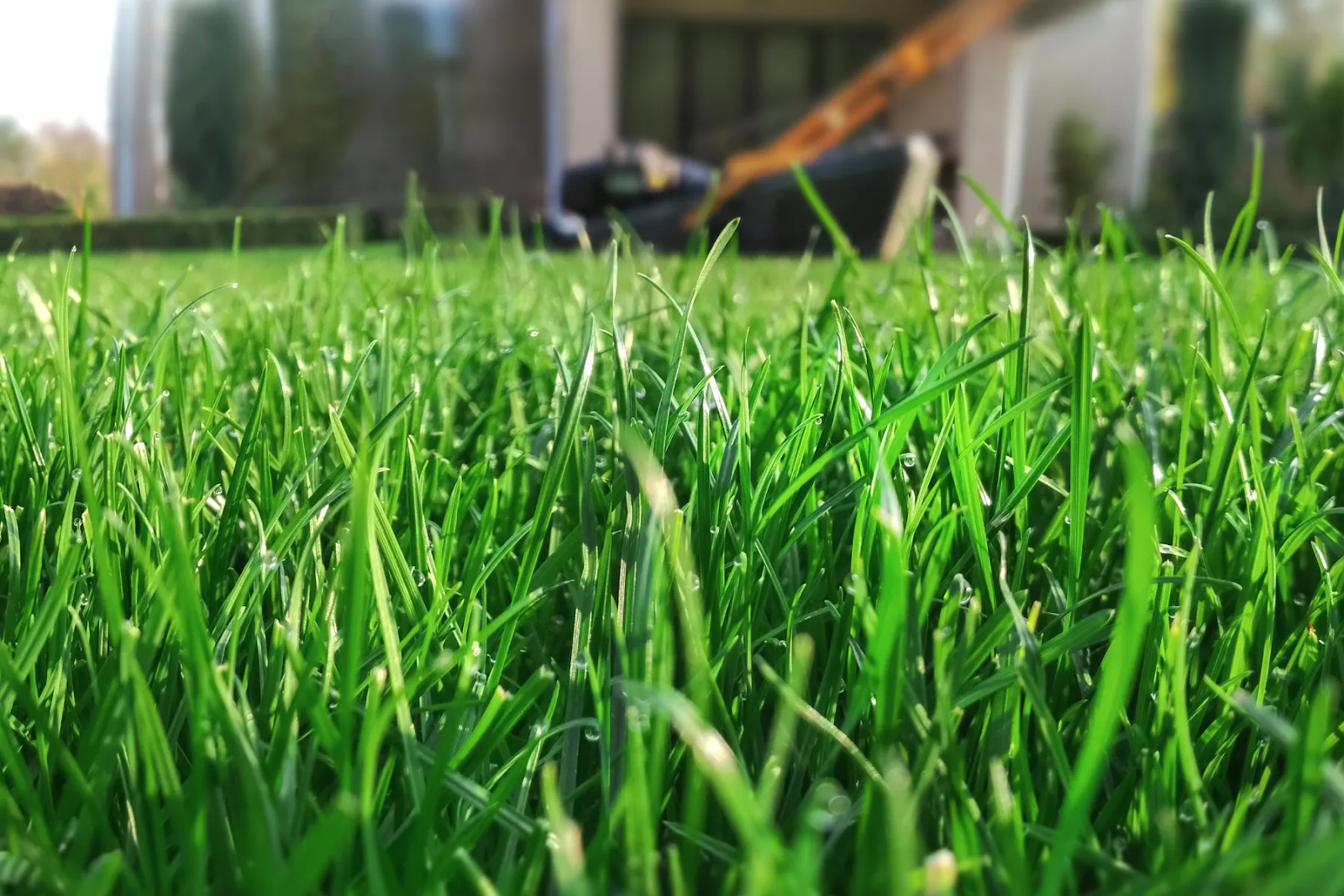
Want a thick, emerald lawn that doesn’t demand all your free time? Picking the perfect fescue grass makes all the difference. We examine the top-rated seeds for heat and shade, plus easy ways to boost growth. From smart watering to better soil care, these tips help you grow a hardy, beautiful yard that lasts all year round.
Best Fescue Grass For Lawns Tips
A thick, emerald green yard is easy to achieve when you use the right fescue grass for your lawn. This low-maintenance lawn grass does not demand the constant attention that high-strung varieties usually need to stay healthy. Because it is a cool-season lawn grass, the blades are able to stay resilient and colorful even as the summer heat starts to fade away.
When you find the best fescue grass for your specific local climate, you are able to prevent thinning and stop weeds from taking over the soil. The texture of fescue grass is soft yet firm, making it a top pick for high-traffic areas. It grows steadily and provides a consistent, professional appearance that will make your property stand out in the neighborhood.
Benefits of Fescue Grass
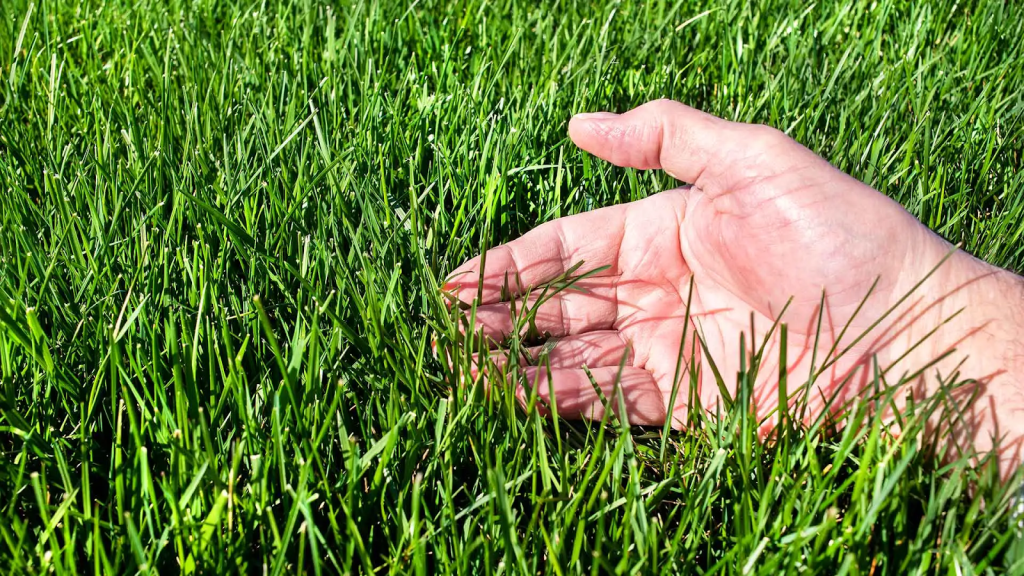
It can be tiring when your lawn, which looked good in the summer, begins to fall apart in the winter. That is what makes fescue grass special. It is a durable grass that can withstand the winter season and heavy foot traffic from backyard barbecues.
One of the top benefits of fescue grass is its ability to retain its color when temperatures drop. Because it serves as a drought-tolerant lawn grass, it handles the scorching sun better than many shallow-rooted options.
If you work long hours, a low-maintenance turf is what you need. You wouldn’t have to stress yourself to maintain it. A few inputs here and there are all it needs.
Types of Fescue Grass
There are several types of fescue grass, and you need to find the one that suits your lifestyle and home structure. If you have kids or pets running around, the durability of a tall fescue lawn will help the ground stay covered and healthy under heavy foot traffic.
In addition, if you have wooded lots or north-facing yards, it will be better for you to use a fine fescue shade grass. It will prevent bare dirt patches from appearing in areas where the sun rarely reaches.
The major difference you would notice when you compare tall fescue vs fine fescue is that while one is tough, the other is incredibly soft and elegant. Most high-quality lawn products include different types of fescue grass in a single bag.
Ideal Growing Conditions for Fescue Grass

It is easier for you to get a thick lawn when your surroundings mimic what the seeds naturally love. If you are able to put together all the right conditions that your fescue grass needs to grow, you’ll really notice the difference on your yard. A soil that feels crumbly and rich is usually the best for fescue to establish deep and strong roots.
Most varieties do well with a mix of shade and light. Since this type does best in a cool-season grass climate, it stays bright during the fall and spring months. Keeping these factors in mind will help your grass stay durable and low maintenance for years to come.
How to Plant Fescue Grass
There are a few things you need to know before you go ahead to plant fescue grass. First, you need to properly weed the soil in which you will be planting. This is an important part of thorough lawn soil preparation and it provides a soft place for the seeds to grow.
The best time to seed your fescue grass is when the weather is cool and crisp. Always consult a reliable grass seed planting guide, as it will provide you with the right amount of coverage to ensure the lawn doesn’t look patchy. Also, you should also do a light raking to cover the seeds slightly. Keeping the area damp but not soaked will help the roots establish quickly.
Watering and Irrigation Tips for Fescue Grass
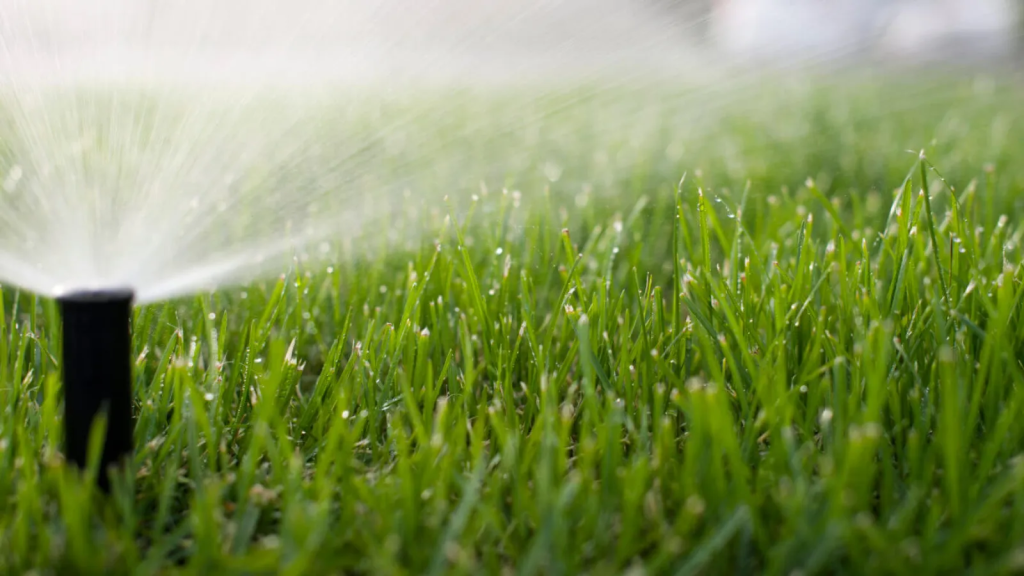
Healthy turf usually looks vibrant because the moisture reaches the bottom of the soil. You should have a regular lawn watering schedule. This will help you achieve a great yard. It’s a good idea to measure how much liquid hits the ground. A well-planted yard will only need a moderate amount of moisture weekly to stay thick and emerald.
An effective fescue grass irrigation requires that you water the yard in a few long sessions rather than daily watering. This style of deep root watering forces the plant to search for moisture lower in the earth. Taking the time to water your fescue lawn sections thoroughly will result in a yard that stays lush, even when neighboring yards have yellow patches.
Fertilization Guide for Fescue Lawns
As the fall season approaches, you will need to give your yard some extra attention. The benefit of sticking to a consistent lawn-feeding schedule is that the roots stay strong throughout the winter months. Cool temperatures help the blades to absorb nutrients without the risk of burning under a hot summer sun.
You should note that the soil in which you are planting will determine the particular fertilizer that you use. High levels of nitrogen can actually cause problems if applied during the peak of summer heat. It is much better to fertilize your fescue grass when the plants are actively growing, either in the spring or autumn.
Common Pests and Diseases of Fescue Grass
We all love the warm summer nights, but apart from the beautiful fireflies, they also bring unwanted yard troubles. When there is excessive moisture, brown patch fescue disease appears. This specific issue will leave ugly circles that detract from the beauty of your lush yard.
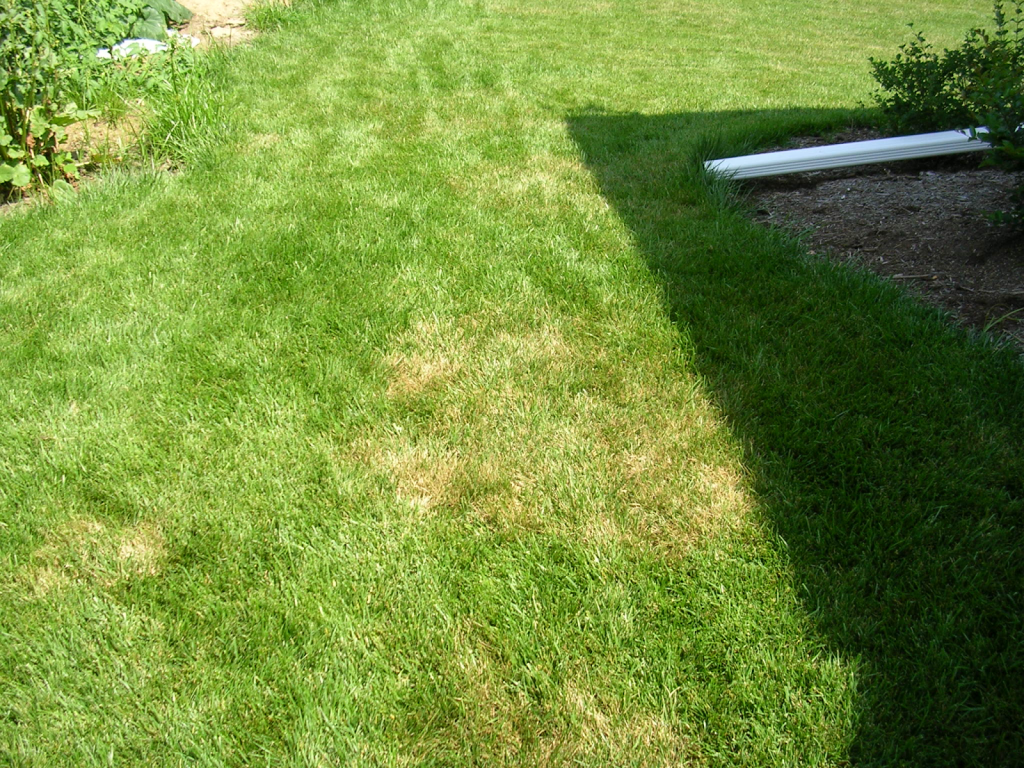
You need to stay one step ahead by applying a targeted grass fungus treatment early in the season to prevent a total lawn makeover.
Staying on top of lawn pest control ensures that these critters do not destroy the hard work you have put into your yard. Note that many fescue lawn diseases are kept at bay when the soil drains well and the grass stays well-fed.
Maintenance Best Practices for Healthy Fescue Lawns
Your fescue yard will look its best when it stays lush and slightly long. Always remember not to cut the blades too short, as this would stress the plants and allow weeds to take hold. Also, you should mow your fescue grass on a high setting. This will help to keep your yard strong against the sun. When the ground is hard, the grass has a hard time getting enough water.
An effective solution is to use a tool to aerate the lawn soil. This gives the roots the space they need to expand. Fall is usually the perfect time for spreading new seeds across the entire yard.
Keep in mind that routine overseeding of fescue ensures that your turf stays dense enough to crowd out crabgrass. You should always stick to a dependable lawn care routine that can help your grass stay green even when the weather gets tough.
Conclusion: Why Choose Fescue Grass for Your Lawn
Every homeowner wants a yard that allows their kids or pets to run around while still looking green and lush. Fescue grass is one of the best choices. It is low maintenance and stands up well to kids running around while keeping that deep green color everyone loves.
Most times, the best grasses for use on home lawns are usually tough, and this type definitely fits that description. There are many benefits that come with a fescue lawn including its ability to stay green during the transition to winter. Investing in a long-lasting turf ensures that your yard looks great with little effort.
Check your local garden shop for a fescue mix, start building your yard, and share your progress in the comments below!