This guide explains how to find the right seeds for your specific region and lifestyle. Find out how the right choice today makes your lawn much easier to take care of for years to come. You’ll learn all this and more in this post!
Grass Seed For Different Lawn Types Guide
If you have cool-season grass varieties, you’ll notice that they do very well in the snow but they may wither during July. Whereas, warm-season options absolutely love the humidity.
You should always follow a grass seed guide to help you avoid the frustration of a yard that dies every year. Maintenance becomes a lot easier when you spend your time choosing grass seed that is tailored to the soil and shade levels.
Different lawn grass types have their own unique ways of spreading. Some tend to fill in bare spots naturally over time. Picking a variety that fits the climate results in healthy lawn grass that looks great and handles heavy foot traffic with ease.
Understanding Cool-Season, Warm-Season, and Transitional Lawns
Most yards in the South are made up of warm-season lawns that look their best during the hottest months of July and August. These grasses usually go brown and sleep once the first frost hits the ground.
Things are usually quite different up North. This is because cool-season lawns prefer the brisk temperatures that come with early spring and late autumn. If you pick the wrong seed for your climate zone, as seasons shift, it’s likely that your yard becomes patchy.
The middle states are usually called the transitional lawn zones, because the weather usually swings from freezing winters to scorching summers.
Best Grass Seed Choices for Cool-Season Lawns
Picking the right cool-season grass seed can make a big difference in a cold climate. Most northern homeowners appreciate how Kentucky bluegrass is able to spread to fill in bare spots on its own.
If your goal is to get green sprouts showing up in just a few days, then planting perennial ryegrass seed is the way to go. This variety can handle the cold well and it usually looks great next to other grass types. If you have a yard that gets a bit more sun, then you may want to consider tall fescue grass. It is able to resist heat better than most northern varieties.
Ideal Grass Seed Options for Warm-Season Lawns
The secret to keeping your yard green in hot climates is to use warm-season grass. One of the most popular options is Bermuda grass. The reason why many people love this grass variety is because it has the ability to repair itself quickly. Another great option is Zoysia grass seed. It usually produces a very stiff and prickly-free surface for bare feet.
For shadier corners, you might need to incorporate St Augustine grass to fill in the gaps where other grass types have failed. These groups of plants are known for staying tough and looking great even during the most humid months of the year.
Grass Seed Recommendations for Transitional Zone Lawns
Standard turf cannot handle the swings that occur in the central part of the country between the snow and heat. This explains why it often browns out. You can plant a reliable transitional lawn grass to give your yard a better chance of surviving the harsh shifts.
There are many yards that have successfully used tall fescue, because it is able to stay green longer into the colder months.
If you are in an area that gets punishing sunlight, a hybrid Bermuda grass can help to create a thick carpet. You can also incorporate a mixed grass seed to allow different blades to take over when the weather becomes too stressful for just one type.
How Climate and Region Affect Grass Seed Performance
Most yards fail because the soil and the sky are not on the same page. If you are living in the humid South, then you’ll have to take a different approach when looking for a temperature tolerant grass, compared to someone who lives in a dry mountain home.
Heavy rain can drown your seeds very fast before they even have the chance to sprout. This is why you have to consider the climate and its impact on your lawn to have a successful backyard project.
Soil Type Considerations When Choosing Grass Seed
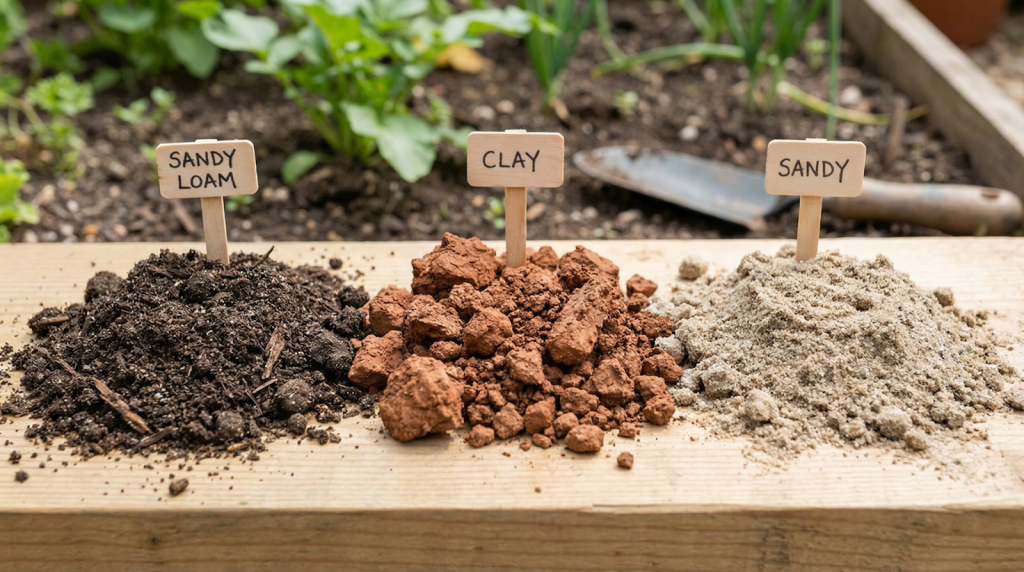
Working with sandy soil, which is known to have a coarse texture? Then you need to get a grass variety that can adapt to the soil, because the water will dry out a lot faster in the soil. On the flip side, heavy ground that sticks together tightly can drown roots.
In this case, you should go for a grass variety that loves clay soil. This has to be a plant that can handle moisture without rotting away. Before you plant any seeds, you have to make sure that you prepare the soil properly. Better soil will lead to a thicker and healthier yard.
Sunlight and Shade Requirements for Lawn Grass
Most yards have a mix of bright spots and dark corners that change throughout the day. It is very important that you pay close attention to the sunlight requirements of your lawn. This can be a huge factor in determining whether you will end up having a thick carpet of grass.
Zoysia usually works wonders as a full sun lawn grass for those wide open spaces that get hit with intense afternoon heat. If you have a backyard spot that is tucked away in the shadows, then it will require a specialized grass seed. Using a shade tolerant grass helps to keep the color the same across the entire property without much extra effort.
Traffic Tolerance and Lawn Usage Factors
Backyard barbecues and daily games of fetch put a lot of pressure on the soil. Hard ground usually stops water from reaching the roots and kills off the greenery.
You should plant a durable grass seed to help the turf stay healthy despite the constant activity. Some species grow back faster than others which makes them the ideal high traffic lawn grass for busy households.
Tall Fescue stays tough through the heat and acts as a wear resistant grass that survives heavy paw prints.
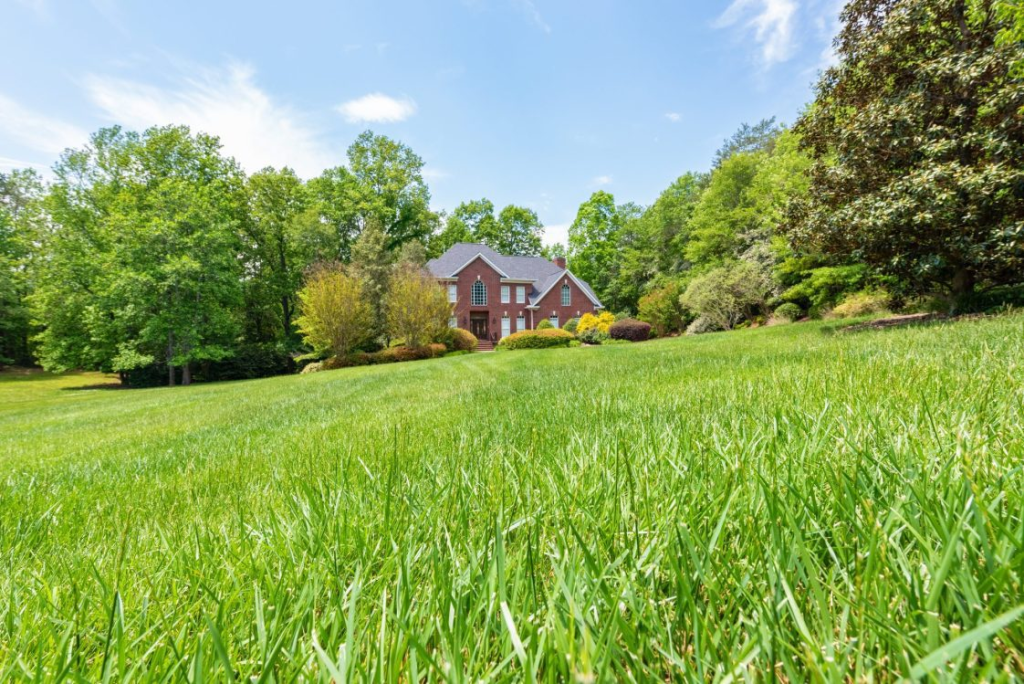
You can also add a pet-friendly lawn grass to the garden to stop the yellow spots from taking over the entire view. Stronger blades help to keep the yard looking fresh even when the family spends every afternoon playing outside on the grass.
Maintenance Needs for Different Lawn Types
Fescue is a cool-season grass that loves to get a taller cut during the summer to shade its roots. It’s best that you follow a mowing height guide. This can help to keep the blades from drying out too fast.
Once the weather warms up, Bermuda and other warm-season types usually need a closer trim. These southern favorites usually stay lush when you fertilize the lawn during the peak growing months of late spring.
Proper seasonal lawn care also involves watching the thermometer to know when growth slows down or picks up.
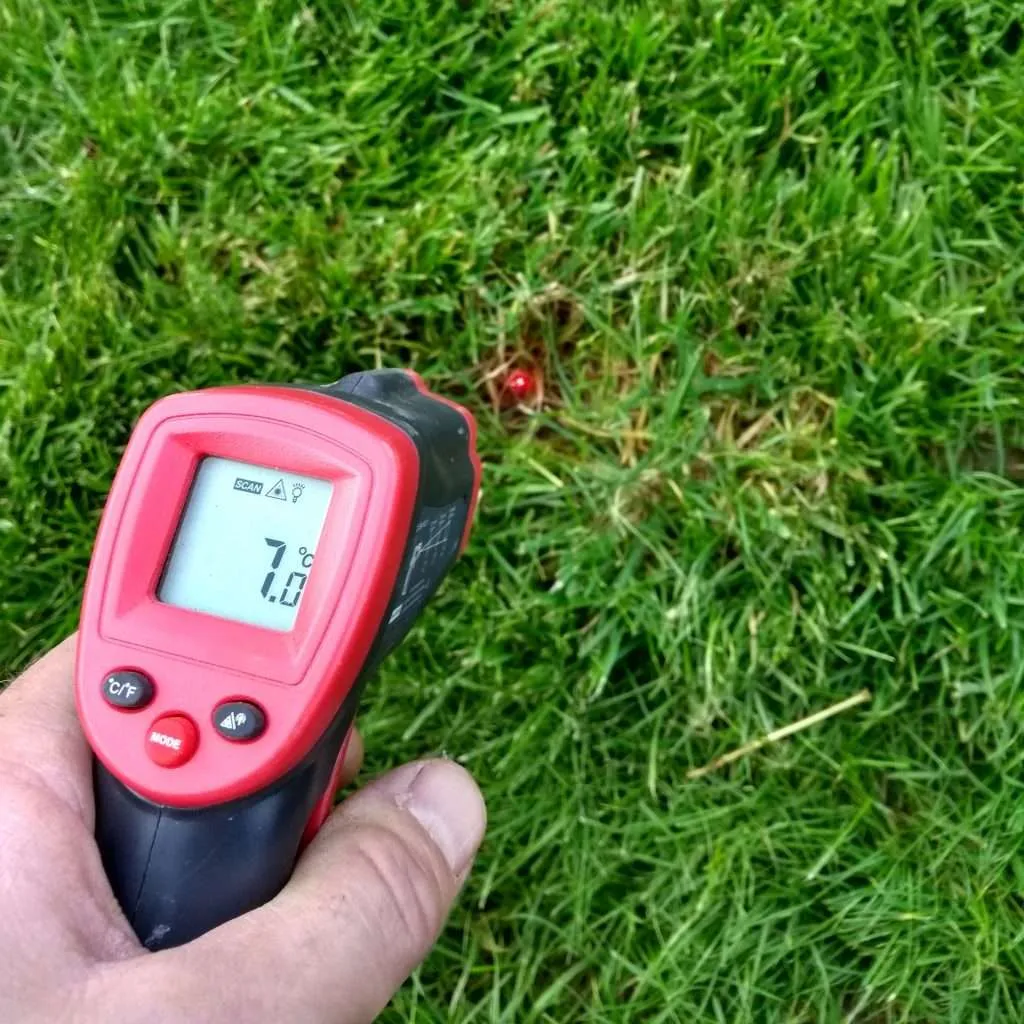
You should incorporate a few lawn maintenance tips that will ensure your turf stays thick enough to block out weeds.
Common Mistakes to Avoid When Selecting Grass Seed
Walking through a garden center makes it easy to grab the brightest bag on the shelf. Falling for the lushest photo is one of the most common grass seed mistakes that lead to brown spots by mid-summer.
Grass that looks great in a cool climate might wither away if the backyard gets blasted by the afternoon sun. It’s likely that you’ll make a wrong grass selection if you focus on the color rather than the actual growing conditions.
Maintenance levels also vary wildly. This means that it’ll be a lawn care error to pick a high-demand species when you prefer a low-effort yard. Good lawn planning tips help to prevent the frustration of watching your new yard struggle to survive.
Conclusion: Choosing the Right Grass Seed for Long-Term Lawn Success
Keeping your yard green year after year is usually determined to a large extent by what goes into the ground on day one. The quality and shade levels dictate which blades will actually stay alive through the summer heat.
It is important that you select the best grass seed for your specific environment to cut down on the amount of fertilizer that will be needed later. If you plan your lawn well, it will be able to fight off pests naturally. Choosing a long-lasting lawn grass ensures the upkeep of a thick cover.
Check your soil pH today and share which seed variety you picked in the comments below!