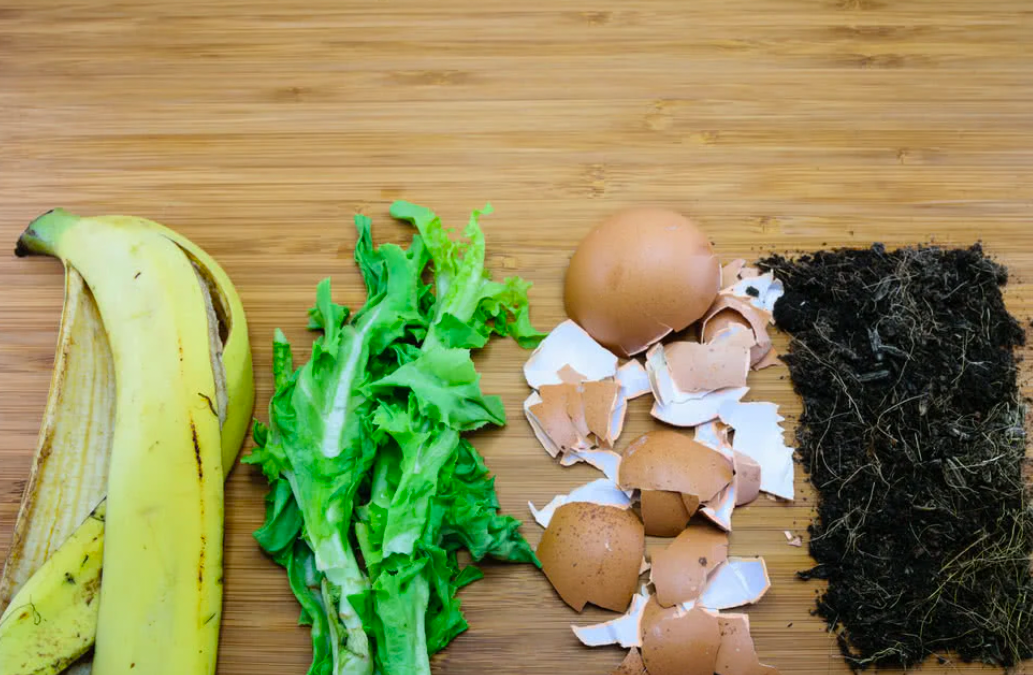
Using a natural lawn fertilizer for your grass rather than chemicals offers many long-term benefits. You may already have an idea, but you may be reluctant because natural and organic products are often more pricey than chemical fertilizers. That’s why you’ll benefit from these homemade lawn fertilizer recipes.
They’re recipes that convert everyday ingredients like kitchen scraps and garden waste into eco-friendly lawn treatment. You’ll need to get your hands a little dirty, but the result is worth the effort.
In this guide, you’ll see different recipes with DIY lawn care tips, and you can choose the most suitable option to restore your soil’s health naturally.
Why Choose Homemade Lawn Fertilizers?
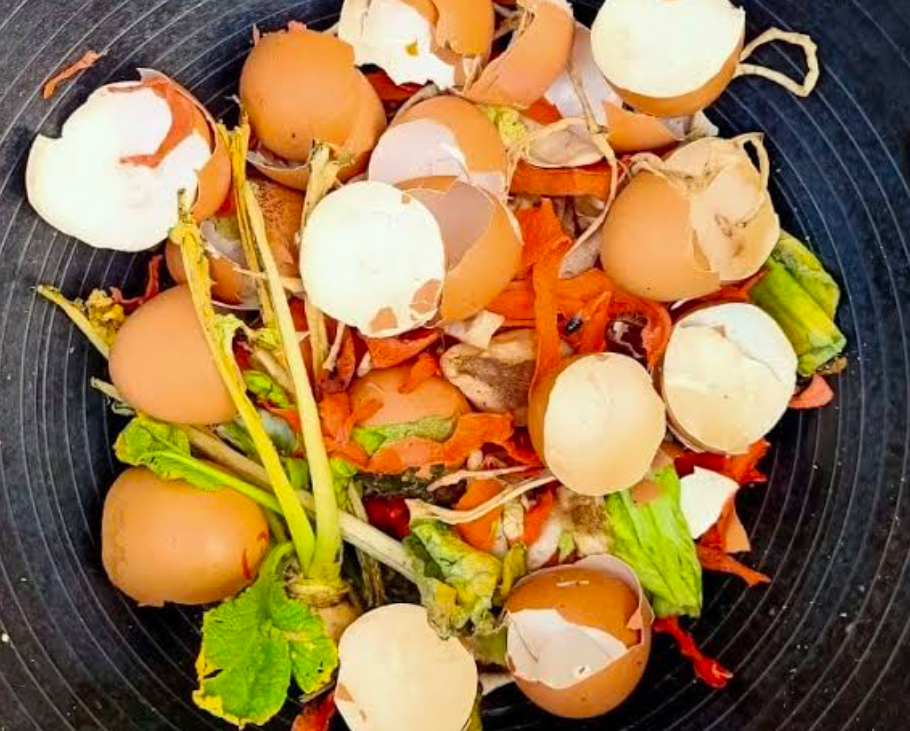
You should use homemade recipes because the benefits of DIY lawn fertilizers span many needs, including environmental sustainability, cost-effectiveness, improved soil health, reduced chemical exposure, and customized nutrient management.
Let’s look at these eco-lawn care benefits:
Sustainability
You protect the environment by using these sustainable fertilizer solutions because there’s less chemical exposure, which helps protect other organisms in the ecosystem.
Cost-Effectiveness
Besides being an affordable option, natural lawn fertilizers from homemade recipes have lasting effects, such that you don’t have to repeat the fertilization process until the next cycle. This is unlike chemical fertilizers, which have short-term effects and require constant application.
Soil Improvement
With chemical-free lawn treatment, your soil has enough time to repair its broken cells and regain lost nutrients while servicing new grass growth and strengthening its roots.
Customized Nutrient Management
You can tailor nutrient needs to grass type and other factors using homemade fertilizer recipes.
Essential Ingredients Found in Your Kitchen and Garden
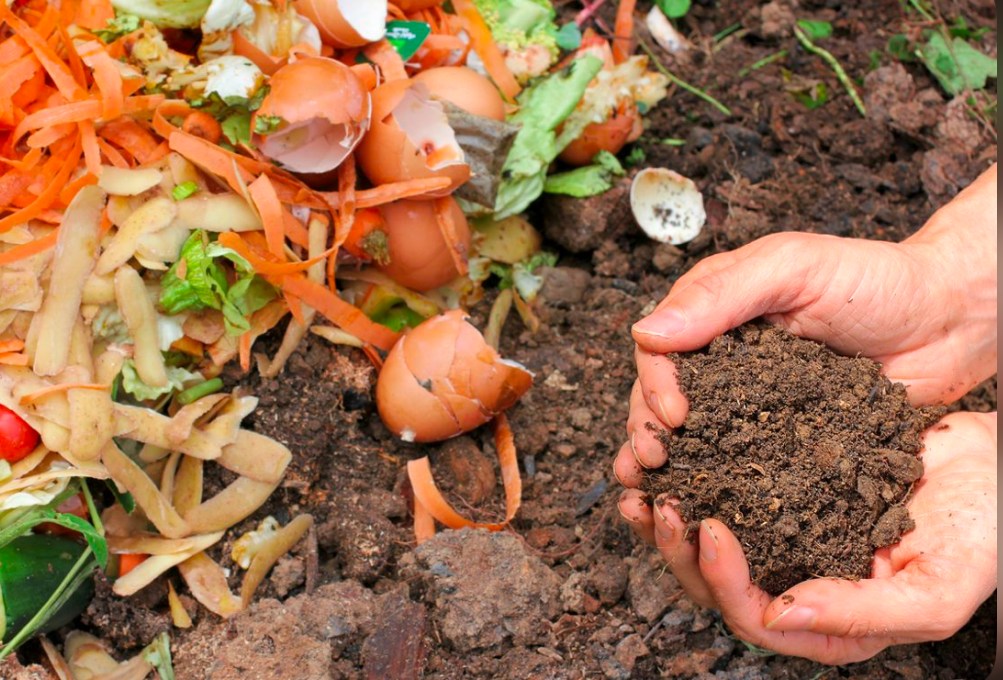
Before we get into the recipe part of this guide, let’s review essential natural fertilizer ingredients found in kitchens and gardens for your lawns. Micronutrient needs for fertilizers are Nitrogen, Potassium, and Phosphorus, which you’ll find in these kitchen and garden scraps.
Banana Peels
A banana peel lawn fertilizer recipe restores vitality and boosts overall health because bananas are rich in potassium.
Eggshells
For a secondary nutrient like calcium, add grounded eggshells to your mix. The eggshell calcium lawn fertilizer will improve disease and pest resistance by strengthening the soil’s cell walls and improving soil structure.
Coffee Grounds
Infuse nitrogen into the soil by using coffee grounds for lawn fertilizer mixtures. It’s the ingredient you need for greener and healthier-looking grass.
Grass Clippings from Weeds
Finally, grass clippings of weeds are useful when composting. Remove the seeds and roots, then soak the grass only in your compost tea to balance the brown components in the mix.
Easy and Effective Homemade Fertilizer Recipes
Now that you understand the basics of making asimple DIY lawn fertilizer, here’s a list of easy-to-prepare recipe options starting with a homemade nitrogen fertilizer.
Banana Peel Fertilizer Recipe
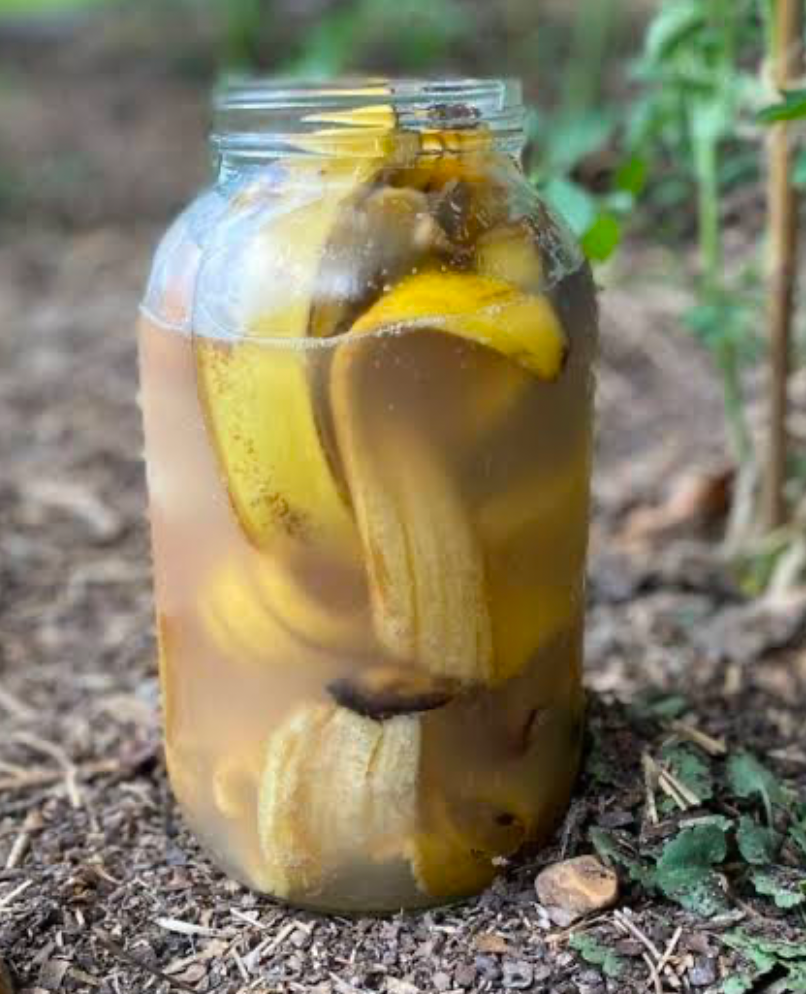
For your banana peel fertilizer recipe, you can either make a liquid solution or a dry mixture. For the liquid fertilizer:
- Soak banana peels in a mason jar filled with water for about 7 days. Then dilute the concentrated mix with water before application once every week.
For the dry mixture:
- Dry the banana peel until it’s hard, then grind it into a fine powder. Apply the ground mix directly to your soil at a ratio of 1 teaspoon per 1 gallon of soil.
Coffee Ground Top-Dressing
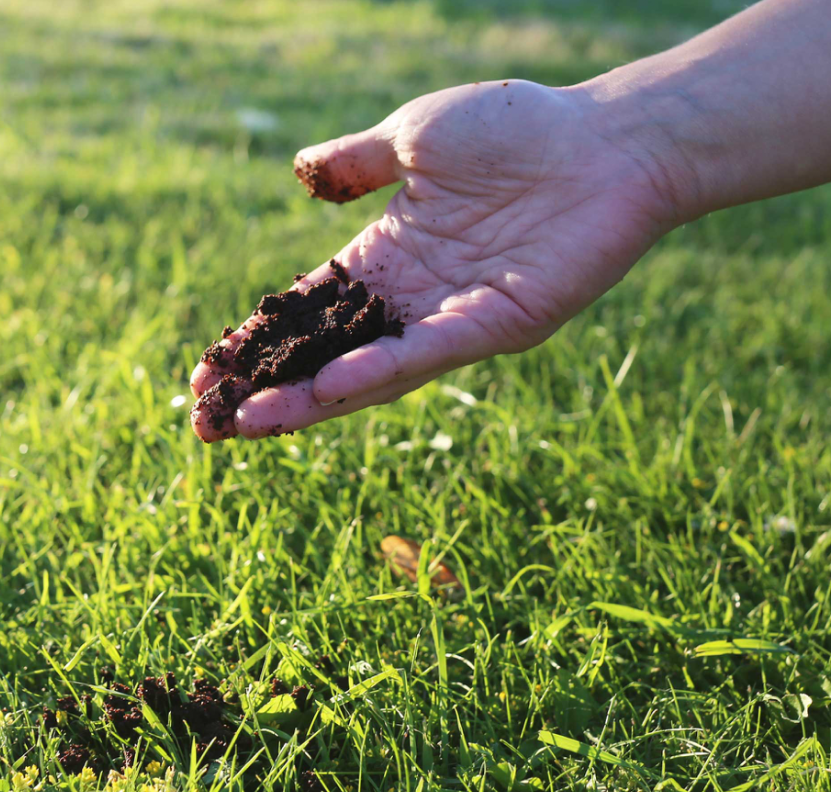
You can make liquid or dry coffee-ground fertilizer, but for the top-dressing method, the dry fertilizer works best.
- Sundry your used coffee grounds
- Once it’s completely dried, sprinkle the dried powder on your soil and mix it in to ensure proper air circulation.
Blended Nutrient Mix
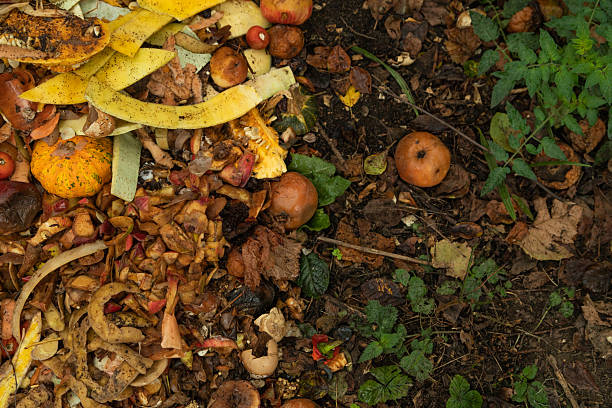
Did you know that you can make an all-purpose fertilizer from homemade ingredients? Combine crushed eggshells, coffee grounds, and soaked banana peel water in a compost mix for a balanced nutrient mix.
Keep reading for a more advanced lawn feeding recipe.
Nettle Tea Fertilizer for Deep Lawn Nourishment
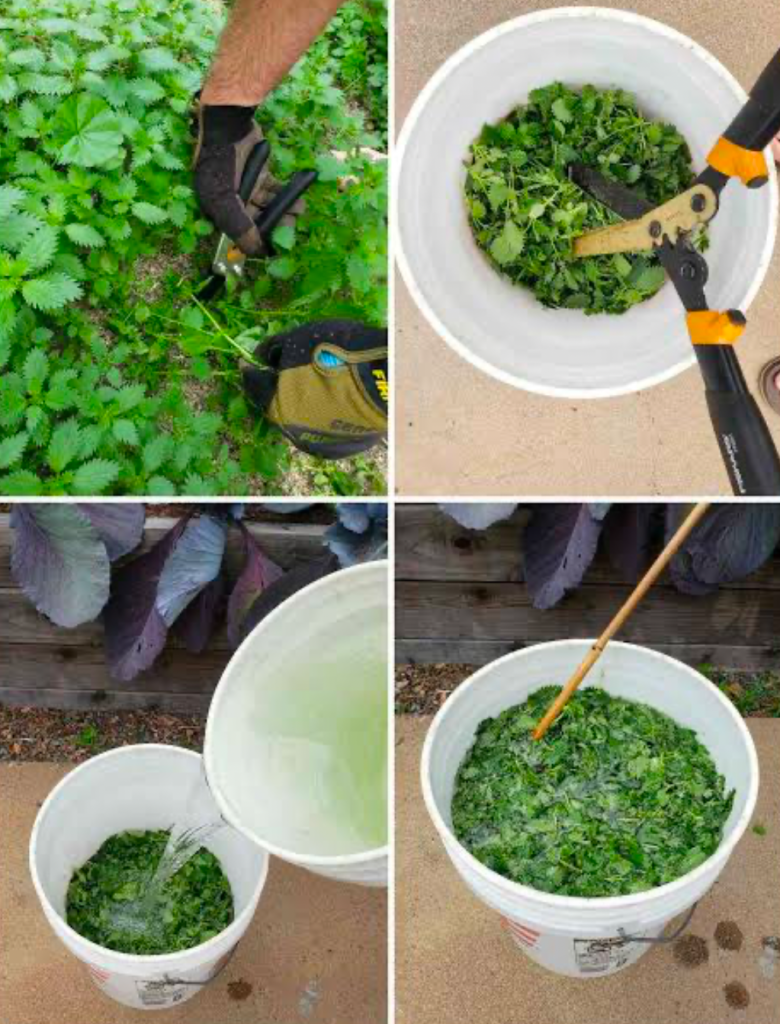
You can make nettle tea fertilizer by soaking and fermenting the nettle leaves in water for weeks. This mix works for organic grass growth and soil enrichment because nettle leaves carry high nitrogen content.
Here’s how you can make this fermented lawn feed:
- Get 2 lbs of young nettle leaves and remove the seed head.
- Soak the leaves with their stems in liters of water per 2 lbs, and cover them.
- Within two to three weeks, stir the mixture as it bubbles.
- When the bubble stops after two or three weeks, strain the liquid from the leaves.
- Your nitrogen-rich lawn booster is ready for use.
Dilute the strained nettle tea fertilizer before using it to avoid overwhelming your lawn. Spray the diluted mixture onto your soil at the base of the plant. Note that it works best for growing or mature leaves, as the concentration may be too much for seedlings.
Compost Tea: Microbial Boost for a Healthier Lawn
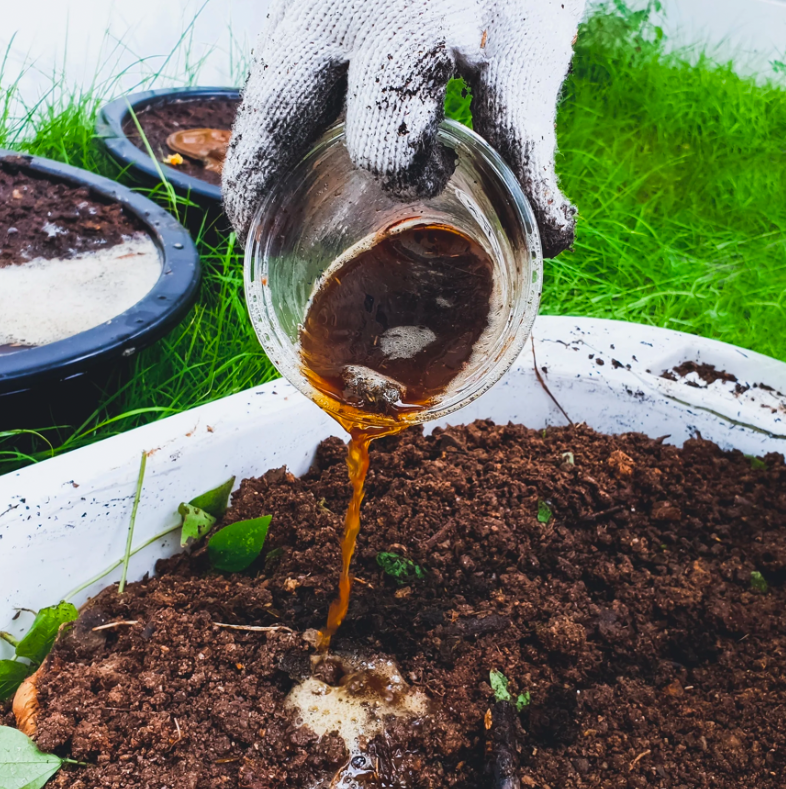
Compost tea is a natural microbial fertilizer due to its essential ingredients. When you use steeped, mature compost tea on the lawn, it enhances soil microbial activity, improves soil structure, and promotes thicker, greener grass.
If you want overall soil health improvement, then use a compost tea lawn fertilizer. Compost is a combination of carbon-rich and nitrogen-rich materials gotten from kitchen and garden scraps. Carbon-rich ingredients are typically brown, such as shredded cardboard and wood chips, while nitrogen-rich ingredients are green, such as vegetable scraps and grass clippings.
You can make it by mixing compost with tap or rainwater, covering the mixture to ferment, then straining the liquid to get your tea. Dilute your lawn compost solution with water to prevent nutrient overconcentration in your soil.
Using Coffee Grounds for Stronger, Greener Grass
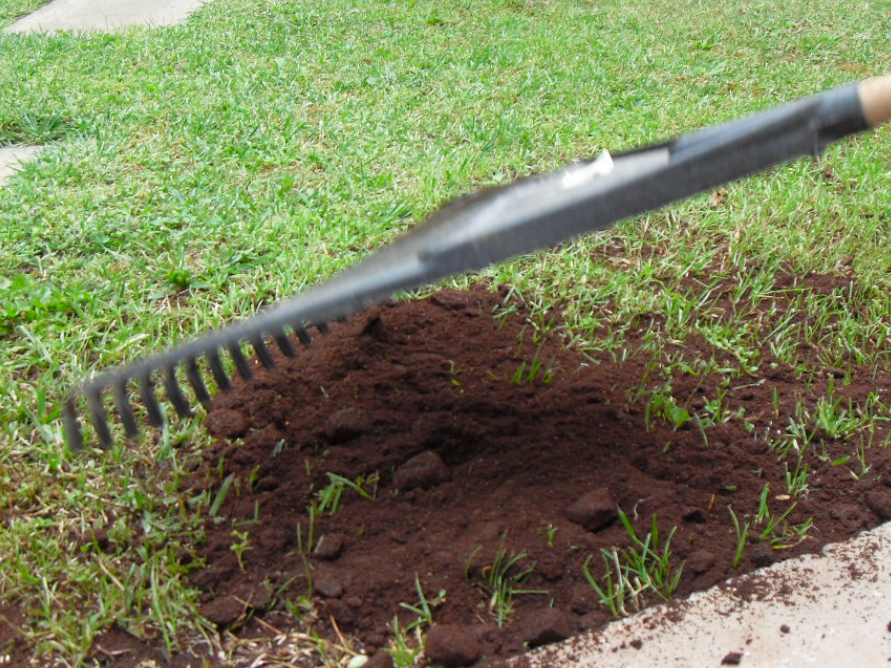
Using coffee grounds for lawn care produces stronger, greener grass because of the high nitrogen content in coffee grounds. For specific nitrogen lawn treatment, sprinkle coffee grounds on your soil or make a coffee-ground liquid fertilizer and spray it onto the affected area.
Doing this helps improve soil structure by attracting beneficial earthworms, enriching the soil with nitrogen, and improving drainage. Ultimately, this fertilizer is a natural grass booster that supports steady growth.
Banana Peel Fertilizer for Root and Color Enhancement

Banana peel fertilizers are an ideal green lawn remedy because they enhance grass color and repair damaged roots.
A banana peel grass fertilizer provides calcium, magnesium, potassium, and phosphorus, which are nutrients responsible for root development, water regulation, disease resistance, and color enhancement.
You can use the dry or liquid potassium fertilizer recipe detailed above, depending on how quickly you need results.
If you don’t want to go through the transformation method of this DIY phosphorus lawn feed, you can simply bury chopped banana peels in your soil, but it works slowly. Meanwhile, the liquid form works the fastest.
Eggshell Fertilizer for Stronger Root Development
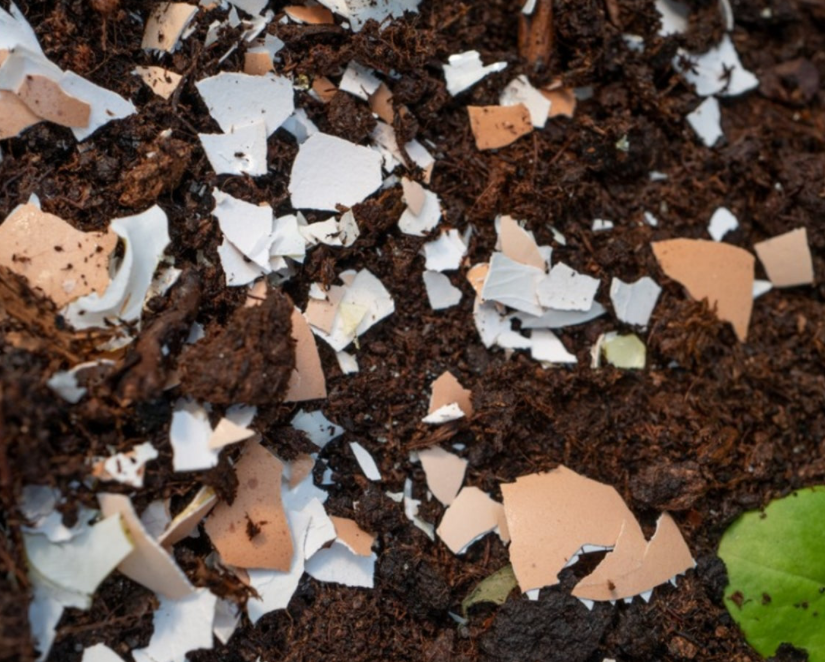
Ground eggshell is a calcium fertilizer for lawn treatment that supports root strength and resilience. To make this eggshell lawn nourishment recipe, follow these steps:
- Wash off any egg still in the shell, then dry it under the sun or in a low-heat oven
- Crush the dried eggshell into a fine powder
Once the powder is ready, there are two ways to use it to build strong grassroots and resilience. The first option is to sprinkle your natural calcium booster directly onto the soil, add it to a compost mix, or apply a liquid form to your lawn.
The Benefits of Molasses as a Soil Activator
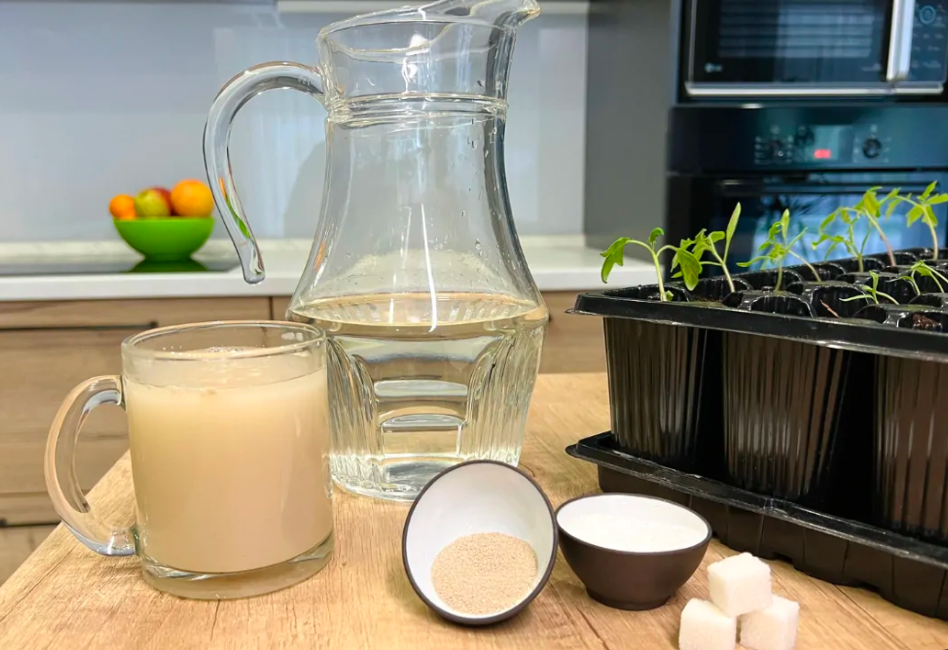
Only a few gardeners know that adding a microbial lawn activator to their fertilizer mix improves soil structure and supports overall grass growth. That’s because molasses lawn treatment feeds beneficial microbes in the soil, which enhance nutrient absorption and energize soil activity.
You can introduce molasses with a sugar-based fertilizer, such as a yeast-and-sugar mixture soaked in warm water, or a sugar-and-urea mixture diluted in water.
Your DIY homemade fertilizers already improve soil health naturally, but adding these activators boosts their effectiveness.
Best Practices for Applying Homemade Fertilizers
Do you know how to apply lawn fertilizer? Well, the application process for homemade fertilizers is similar to lawn feeding tips for regular products, except with the measurements due to the nutrient concentration.
The best time to fertilize grass with homemade products is early morning or late evening, when the sun isn’t out, to avoid burning your leaves. However, for the perfect season, you’d have to first determine the kind of grass you have. Cool-season grasses thrive with fall fertilisation, while warm-season grasses grow with spring fertilisation.
Follow this DIY lawn application guide for effective results:
- For dry fertilizers, ensure even application by spreading them to cover the entire lawn. Walk back and forth until there’s no uncovered soil.
- For liquid fertilizers, spray the diluted mixture at the plant’s base.
- Water the lawn lightly after fertilization.
Creating a Lawn Feeding Schedule for Best Results
Create a lawn fertilization schedule using a feeding cycle of 6–8 weeks, but adjust your frequency based on results and nutrient needs.
Regulating your homemade fertilizer frequency is necessary because DIY products always have high nutrient concentrations, which can be harmful when used in excess.
You can use a default schedule by incorporating your feeding cycle into a seasonal lawn care schedule, or structure your grass feeding timeline based on your lawn’s response and adjust it for future improvements.
Conclusion: Growing a Healthier Lawn the Natural Way
Switching to organic lawn nourishment is one of the best decisions you’d ever make for your grass.
Using eco-friendly grass care products benefits your environment and lawn in so many ways, including cost-effectiveness, healthier lawns, and a more aesthetically pleasing lawn. So, why not consider a DIY lawn improvement plan for your grass?
With consistent care and experimentation with homemade recipes tailored to different needs, you would achieve a natural lawn and become the envy of your neighborhood. So, choose one recipe today and start your journey.