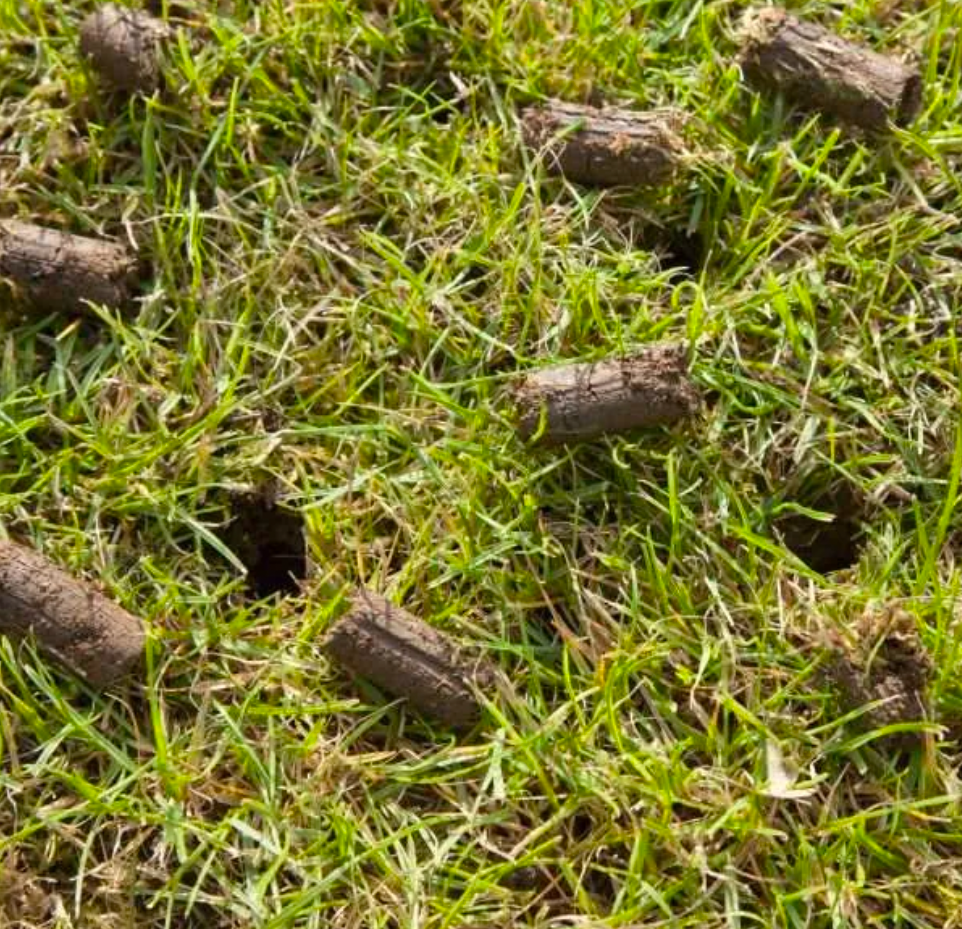
Have you ever wondered why some lawns have better grass root health and overall structure than others? That’s because they include a reasonable lawn aeration frequency in their periodic maintenance schedule.
Lawn aeration is the practice of creating holes in your soil to improve air circulation and ensure better nutrient absorption from direct feeding and the environment. Beyond the basic benefit, lawn aeration is also essential for improving soil conditions and ensuring optimal lawn growth. In this article, you’ll learn to follow a proper and practical aeration timing guide to ensure your grass efficiently absorbs air, water, and nutrients for the best result.
Learn the Basics of Lawn Aeration
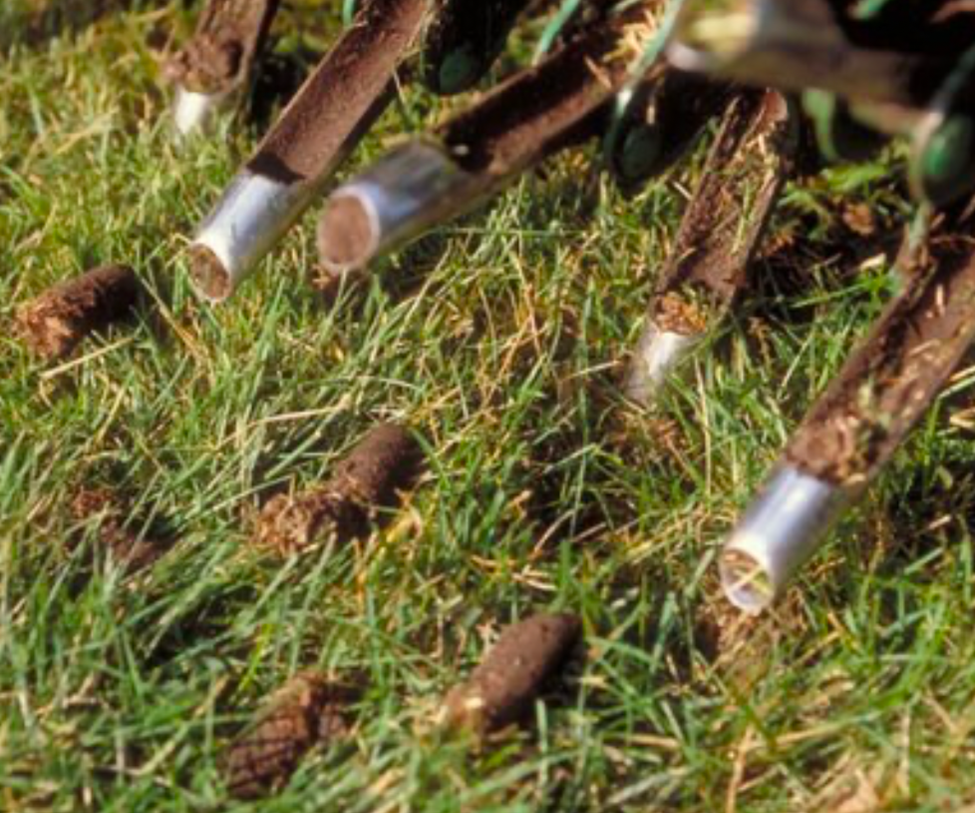
Understanding lawn aeration basics, like its purpose and methods, would guide you on the proper timing and solution to your lawn’s needs. Aeration relieves soil compaction by poking holes into compacted soil to loosen it and improve nutrient absorption. So, grass aeration needs differ based on soil compaction type, grass species, and local climate.
To know when to aerate, you must consider how those factors affect your lawn.
- What’s your soil type?
- How thick is the compaction?
- What’s your grass species?
- How’s your local climate?
Once you answer all these, then you’d be able to choose the best aeration technique for your lawn.
Explore the Benefits of Aerating Your Lawn
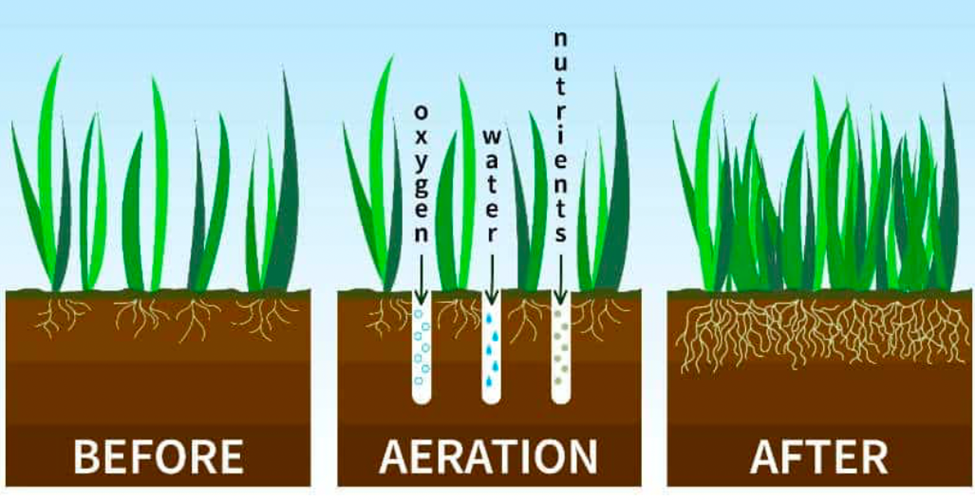
We’ve hinted at the benefits of aeration, so let’s explore them more.
- Nutrient Flow: With regular aeration, you’ll have healthier lawn growth because there’ll be better nutrient flow and absorption in the soil.
- Reduced Thatch: Aeration boosts decomposition in your lawn, reducing thatch as microbes in the soil break down organic matter into useful nutrients.
- Enhanced Drainage: If your goal is improving lawn drainage, aeration helps by creating holes for water to flow through without pooling in the soil.
- Stronger Root Development: The grass grows deeper, stronger roots, powered by improved soil airflow from breaking compaction.
Now, let’s see the signs of aeration needs on your lawn.
Spot the Signs Your Lawn Needs Aeration
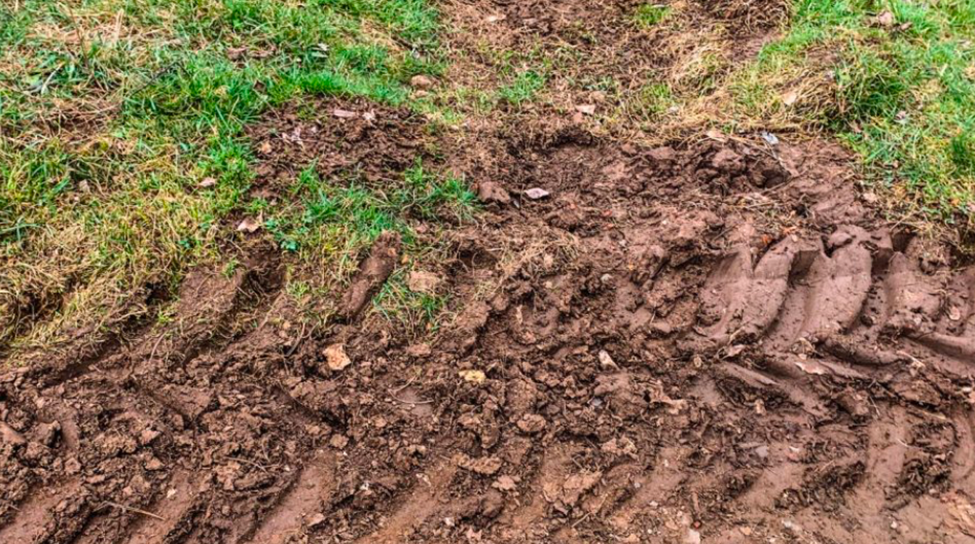
Lawn aeration needs often show up physically through the grass and then the soil, so perform a scheduled lawn health check to identify these clear indicators.
Common compacted soil symptoms include pooling water, runoff that won’t soak in, and a dense, hard soil texture, while unhealthy grass indicators include spongy turf, bare patches, thatching, and weak coloration of grass blades. Study and master the signs that your lawn needs aeration so that you can act quickly to prevent more damage.
Identify Factors That Affect Aeration Frequency
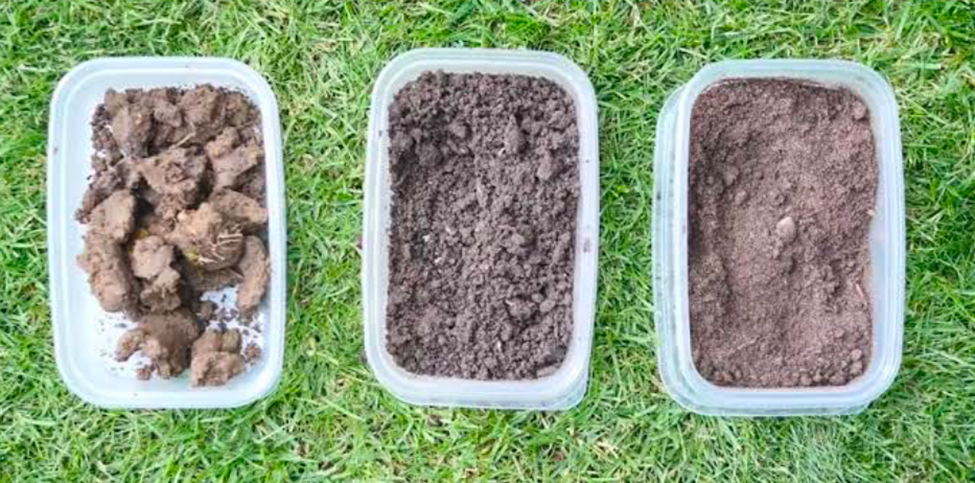
Identifying the problem is one step, but you must also be strategic in providing the solution by considering aeration frequency factors. It’ll help you know the right time frame to loosen compaction without damaging your soil structure.
Soil Type
Soil type impacts lawn aeration frequency the most because it’s the one with direct contact with every technique. Take it back to elementary science and agriculture, where you learned about soil types such as clay, loamy, and sandy textures. As the thickest, clay soil needs the most aeration between 1-2 times yearly, followed by loamy soil, which is a balanced mix of all types, so aerate it once a year or biannually, and finally sandy soil, as the loosest, only needs aeration every other year.
Foot Traffic
Next, you must determine the level of lawn traffic stress from foot and vehicle traffic. Areas with heavy traffic need more aeration than those with less traffic. You should aerate heavy-traffic zones, such as playpens and pathways, 1-2 times per year.
Grass Species
Adding grass type requirements to the factors is necessary because some species thrive better in certain seasons, as you’ll see below.
Climate Conditions
Heavy rainfall increases compaction, while summer heat enhances seration. So, target the right season and locally for your grass species to benefit fully from aeration.
Choose the Right Season for Aeration
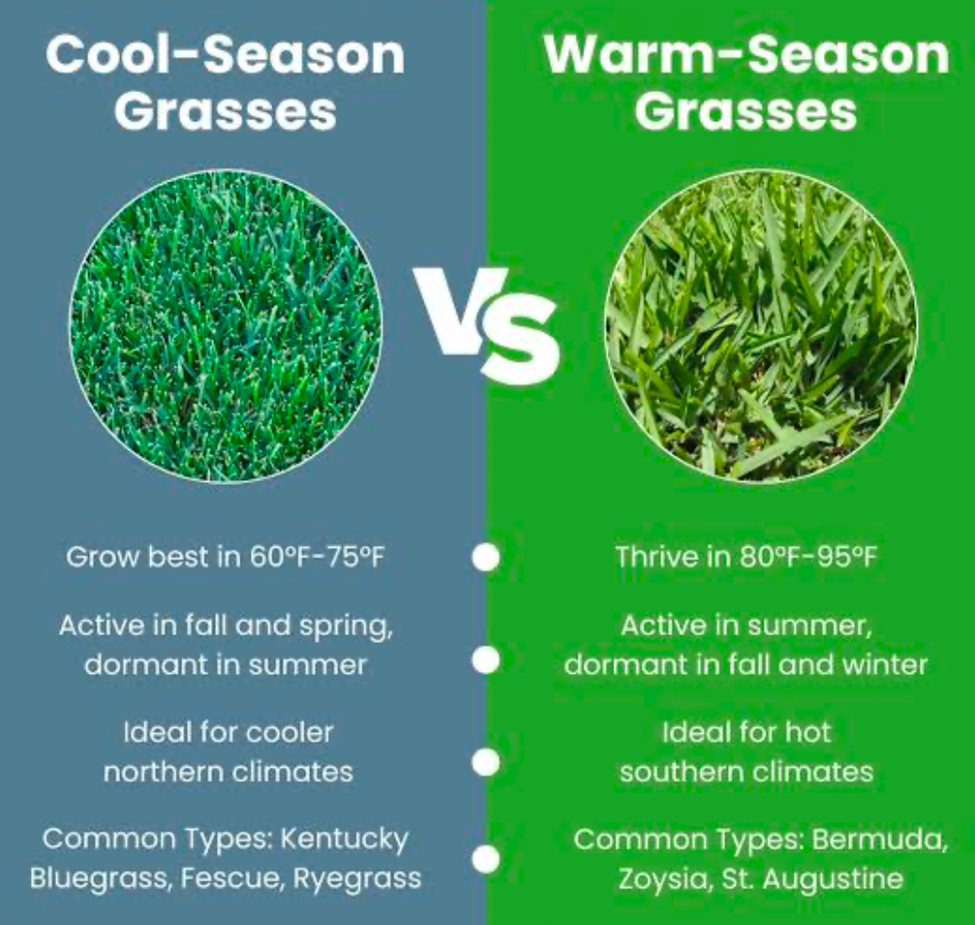
Seasonal aeration timing depends on your grass species. This is why you learn that there are warm-season and cool-season grasses, which thrive differently throughout the year.
Read this care guide to know the best time to aerate each grass type.
Warm-Season Grass Care
Summer grasses like Zoysia and Bermuda recover more quickly from heat, so aerate them between late spring and early summer.
Cool-Season Grass Care
Cool-season strains like Kentucky Bluegrass and Fescue do better in the cold, so aerate them between late summer and early fall to prepare for winter.
Follow Reliable Best Practices for Aerating
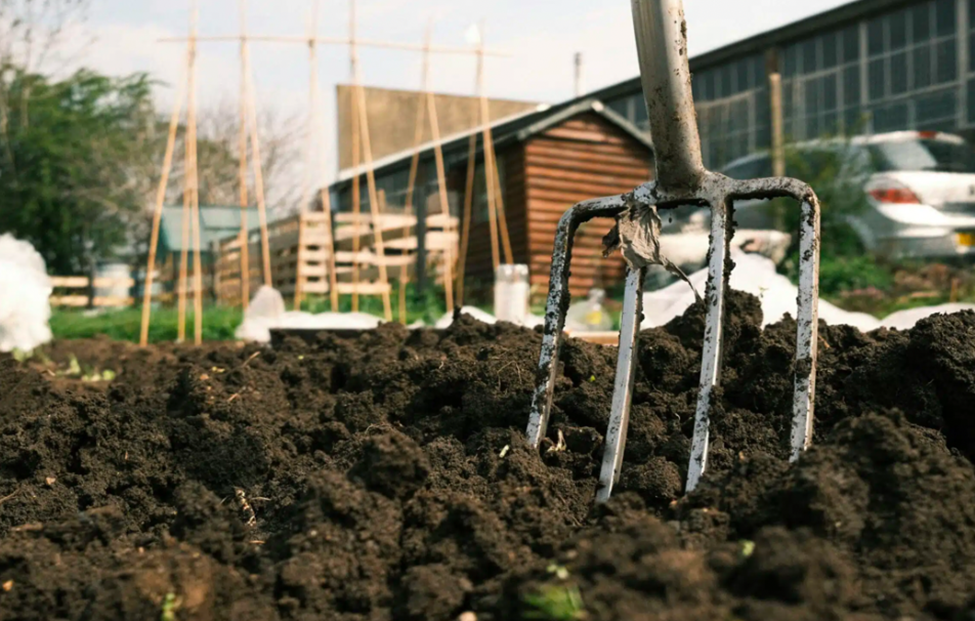
Use the following aeration best practices for this task to get the best result.
- Always prep your soil by watering it before aeration.
- Use a core or spike aerator depending on your soil and compaction type. Sore aerators plug holes while spikes poke holes.
- Make multiple passes in parallel lines, then back across for effective aeration.
- Allow a natural soil plug breakdown by leaving them on the lawn.
These core aerator tips would improve the results on your lawn. See more lawn care steps for optimal aeration.
Prepare Your Lawn Effectively Before Aeration
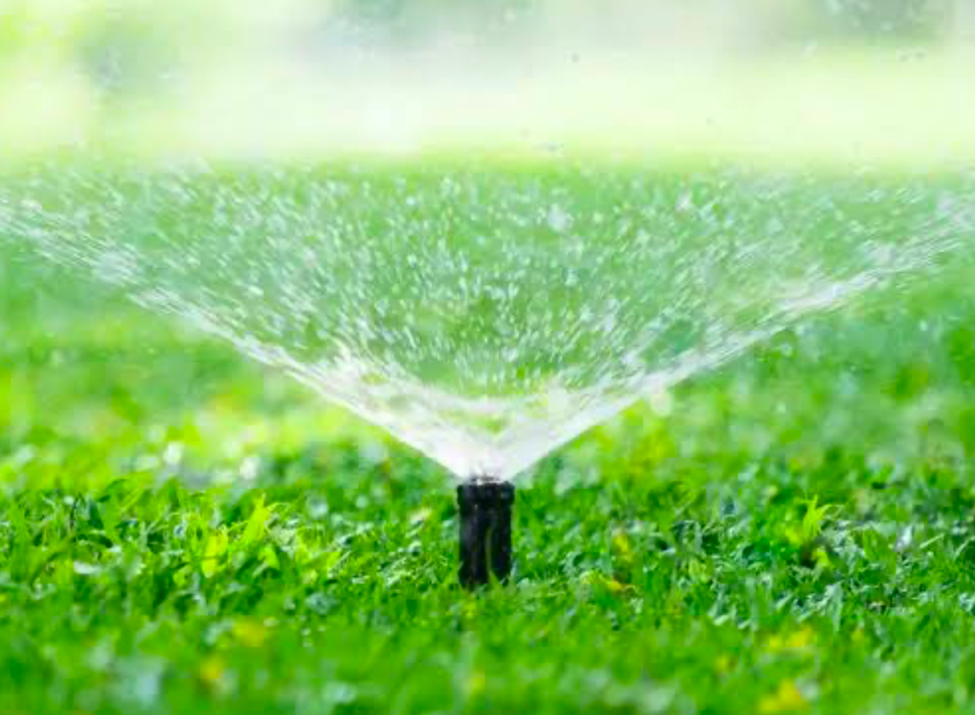
Lawn aeration prep includes doing things that give you better access to the soil for plugging or poking holes.
Debris Removal Tips
Start by removing debris with a rake to keep the targeted area clean. Do this about two or three days before aeration to allow the lawn to breathe.
Mowing Techniques
Mowing before aeration prevents the grass from getting in the way of your machine when you work. Mow the grass till it’s at least one inch above ground.
Watering
Water the soil until there’s about 1 inch of moisture at least 2 to 3 days before aeration. It’ll improve nutrient circulation when you feed the soil.
Safety Steps
Other irrigation safety steps include marking sprinkler heads, fences, drip tubes, utility lines, and any other fixtures that the aeration tool can damage.
Support Your Lawn with Proper Post-Aeration Care
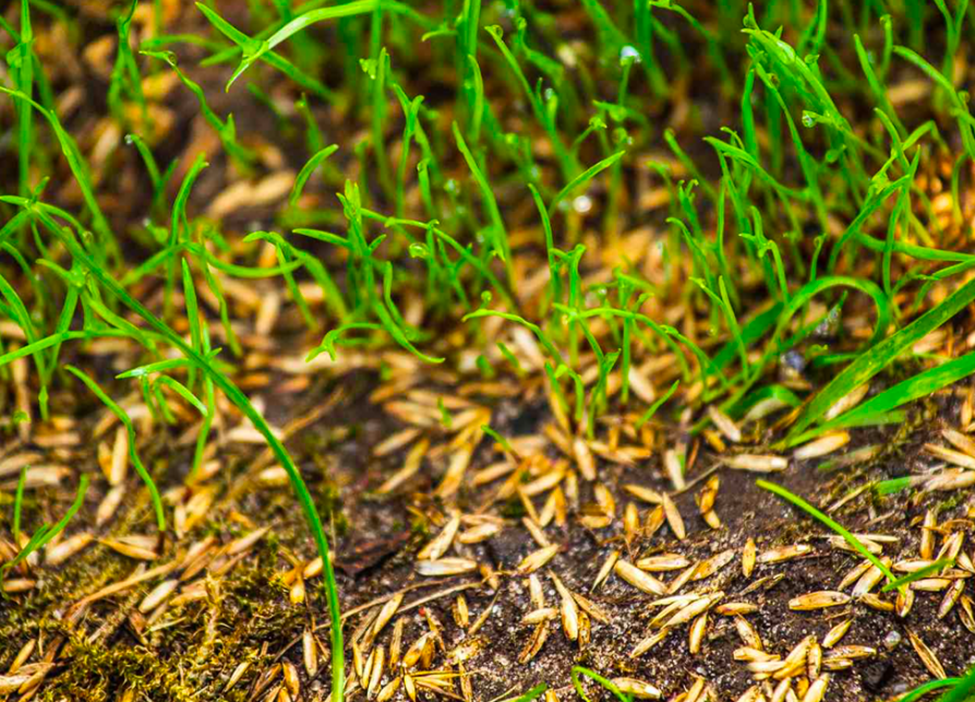
Seal your hard work with post-aeration care, including fertilization, watering, limiting foot traffic, and monitoring growth, to ensure a quick recovery and stronger root development.
Watering after aeration is important within the first two weeks to boost the germination of new seeds. If your soil lacks certain nutrients, you can replenish them using a lawn fertilizing guide, especially when the newly aerated soil is prepped for absorption.
Other lawn recovery tips for post-aeration care include overseeding and mowing new growth once it reaches 3 inches for strong growth.
Avoid Common Mistakes During Aeration
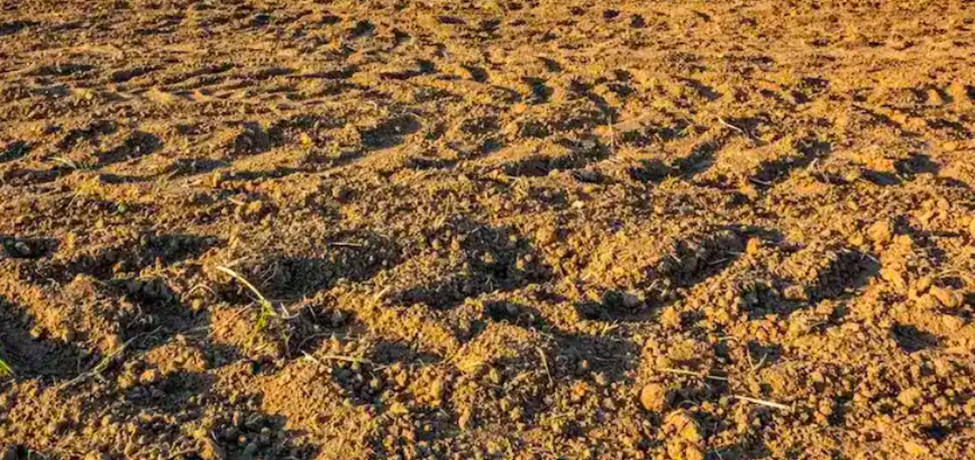
Follow the instructions in this guide to avoid common aeration mistakes, such as over-aerating lawns, aerating dry soil, poor prep, and skipping aftercare. Dry soil aeration can damage the soil because it’ll take longer to recover from the stress when nutrients don’t absorb properly.
These aeration errors reduce effectiveness and waste your efforts.
Maintain Long-Term Lawn Health with Expert Tips
Aeration should be part of your year-round lawn care routine and not an alternative to the other seasonal lawn maintenance services that keep your yard in shape.
Use soil testing tips, such as collecting samples for local labs or using a home test kit to check nutrient levels and determine compaction levels before aeragtion.
Complement aeration with seasonal mowing, proper watering, soil testing, and nutrient balancing to maintain a healthy lawn.
Conclusion: Use Aeration Wisely to Strengthen Your Lawn
With a strict adherence to this guide, you’ll see lawn growth improvement within a year, such that the results will surprise you. A quick look at this aeration benefits summary and its tips for preparation and after care is easy for beginners to follow.
To build strong grassroots and boost healthy growth with quick recovery, you must carefully plan your aeration timing and frequency.
Remember that aeration is not an either-or routine but a necessary part of long-term lawn care for optimal health, resilience, and overall growth success.