Companion planting is one of the most used productive gardening strategies by traditional and modern gardeners. It’s a system that combines two or more varieties of crops in one soil to ensure mutual benefits by taking advantage of natural tendencies.
By following the plant-pairing basics outlined in this guide, you can maintain a pest-free garden with a robust ecosystem. This companion planting guide includes duos and trios that improve growth, reduce pests, and boost soil health naturally.
Keep reading to learn how to create a companion planting garden plan that suits your unique environment.
Benefits of Companion Planting
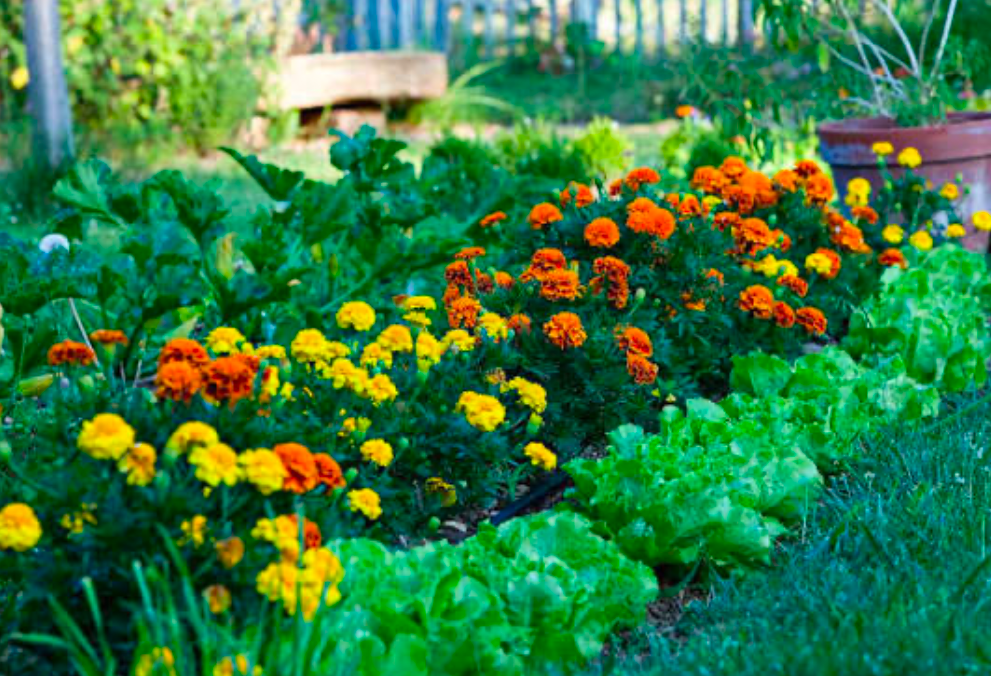
Companion planting holds many benefits for your garden, from simple pest control to advanced soil repair, increased crop yield and sustainable support.
Some plants, like basil, help with natural pest prevention due to their scent, while others repel insects by attracting predators that are beneficial to your plants.
Nitrogen-fixing plants and cover crops help with soil fertility improvement by replenishing lost nutrients and conserving water for better absorption.
Using sustainable garden methods to battle pests and diseases increases yields without damaging the plant, soil and environment.
Key Concepts Every Gardener Should Know
To create a proper companion planting plan, you must understand key concepts in allelopathy gardening, including plant families, crop rotation, and timing. Knowing how to use natural chemicals from plants and fruits to manage pests, weeds, and damaged soil helps you to avoid poor pairings and encourages strong plant growth.
Plant Families
Plant families are groups with similar patterns, scent profiles, and abilities, such as nitrogen-fixing legumes from the fabaceae family, pest-deterrent bulbs like onions and garlic, and peppers, which are nightshades.
Study plant family interactions to pair beneficial plants and avoid combos that’ll harm each other.
Crop Rotation
Use crop rotation basics to keep your garden blooming all year round while still giving it time to recover in between planting seasons.
Seasonal Plant Timing
Note seasonal plant timing to ensure you’re giving your plants the best chance to thrive. Plant summer flowers and crops in the spring, while winter variants would do better in a fall planting season.
Choosing the Right Plants for Your Garden
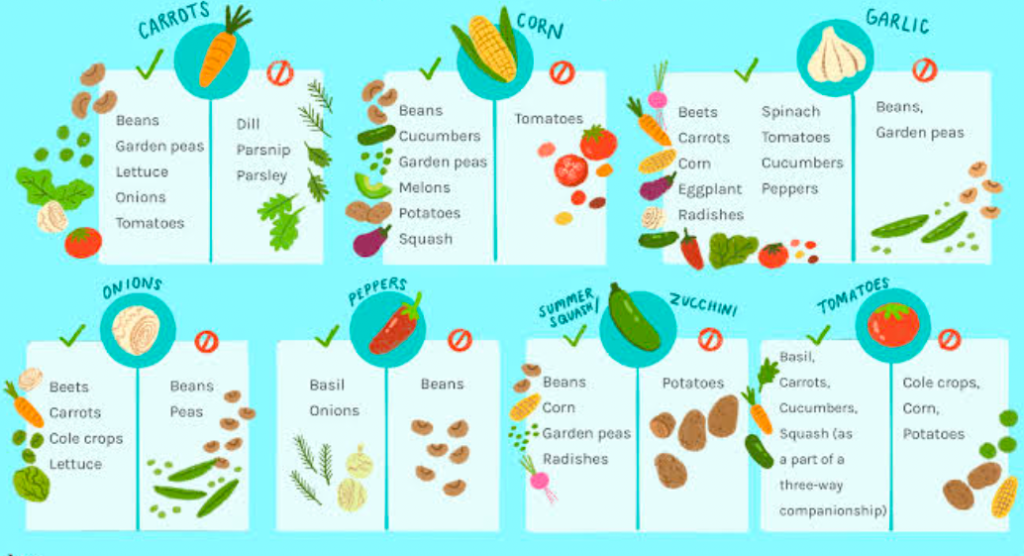
Using your knowledge of allelopathy gardening, here’s how you can choose the best plant companions for your garden.
Consider growth-influencing factors such as light, soil, and climate conditions, as well as natural chemicals.
Light-Based Pairing
Combine sun and shade crops strategically so that both plants can support each other. Most tall plants like sunflowers and corn are sun-loving, while shrubs and cover crops prefer shade.
Chemical-Based Pairing
Use flowers and herbs for pest control by relying on the strong scent they produce to deter insects like flies. These plants can also infuse flavor into fruits and add a sweet smell to your environment. Examples are lavender, basil, and sage.
Soil and Climate-Based Pairings
For diverse garden planning, it’s best to combine different pairing bases. Consider the soil type and climate conditions, then choose combos that’ll thrive in similar environments but offer symbiotic benefits.
Creating Your Companion Planting Garden Plan
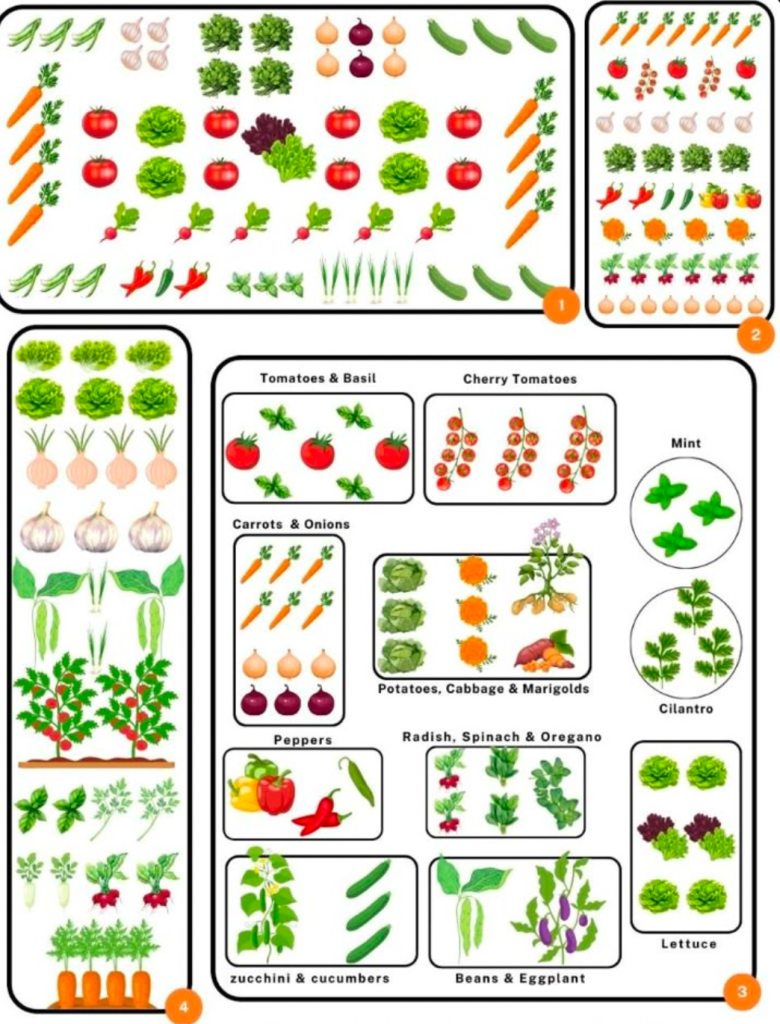
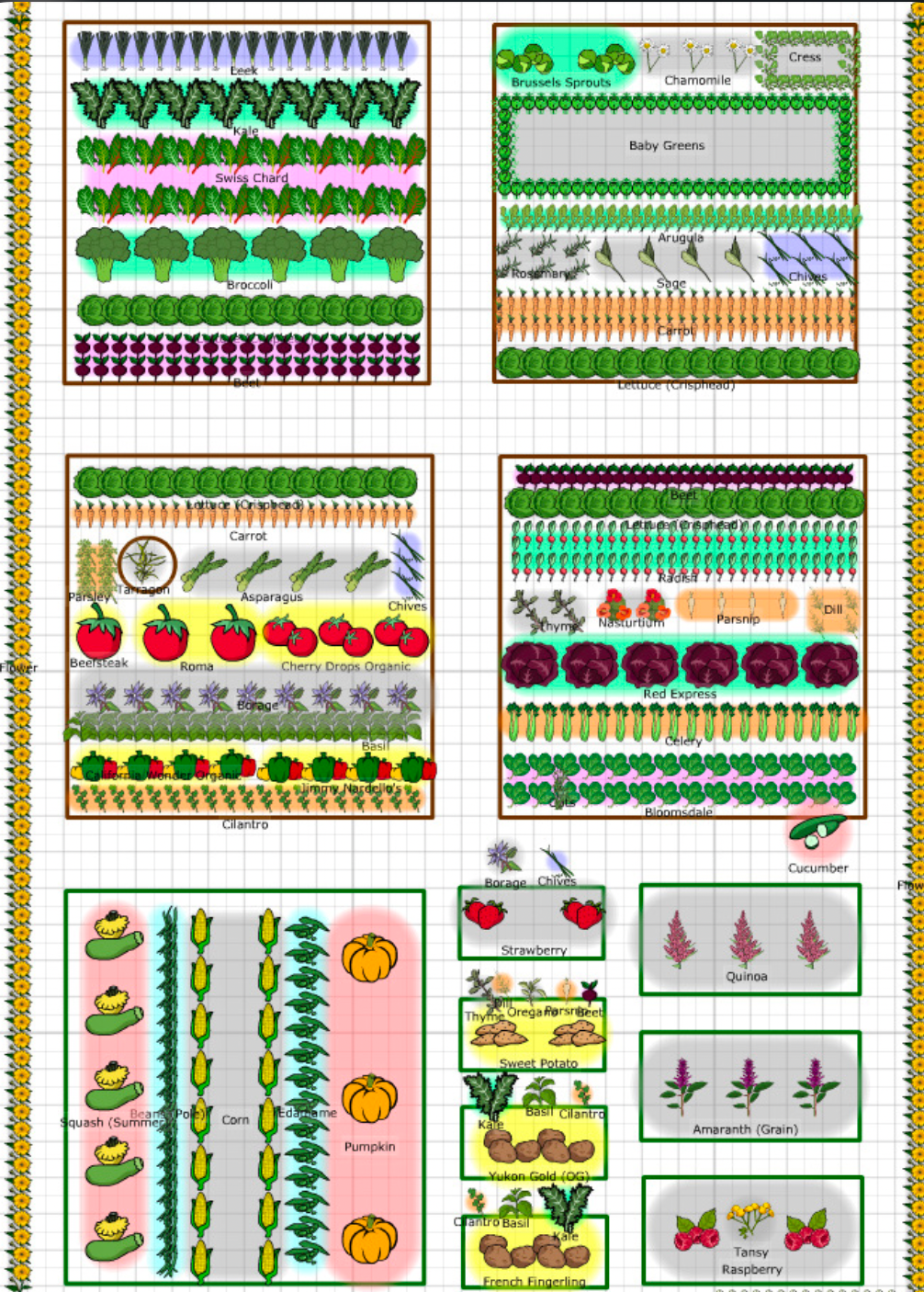
It’s time to put theory into practice and design your garden planning chart. Here’s how to draft a DIY plant layout for the ultimate garden design.
Start by mapping out your garden layout on paper using a pencil, ruler and some coloring pencils for zoning.
Note permanent fixtures and movable pieces to determine where to plant seedlings and fit your landscape. Then zone your plants based on their families and pair beneficial duos or trios in one grid until you fill your chart.
Someplant zoning techniques to use while planning include:
- Understanding your climate zone
- Matching plant types to zones
- Creating microclimates
- Adapting protective gardening gear
Also, use cluster planting methods to improve root system development, enhance visual appeal and maximize space.
Designing Your Garden Layout
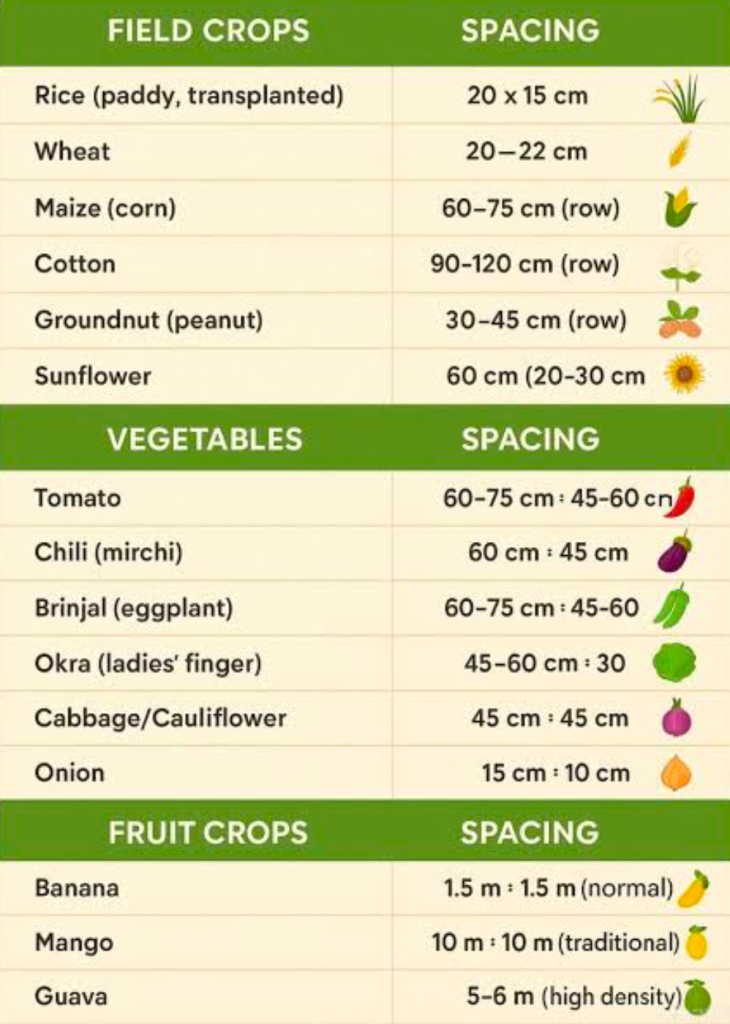
Here’s a closer look at the cluster method garden layout design and other styles to improve air circulation and enhance your gardening experience.
Spacing for Air Circulation
The row and column plant arrangement is a top air circulation gardening method. It allows you to strategically position each plant at a distance from the next, where it can reach maximum growth potential without suffocating.
Plant spacing tips for this method include:
- Maintaining a one to two-inch distance between seedlings
- Use maturity size as your standard
- Adjust dimensions for climate and specific needs
- Introduce plant support like pots and vertical planters
Plant Arrangement by Height
Always place tall plants in the back row, while short ones stay in front for a visual balance. It also gives all plants equal access to light without the taller ones soaking up all the sun.
Access Path Planning
Carving out pathways is necessary for routine maintenance, especially in medium to large gardens with multiple zones.
When mapping out your access path planning, always consider existing structures and integrate the pathway into them. It’s easier and cheaper to build than to break down fixtures to make way for your path.
Building a Planting Schedule for Companion Plants
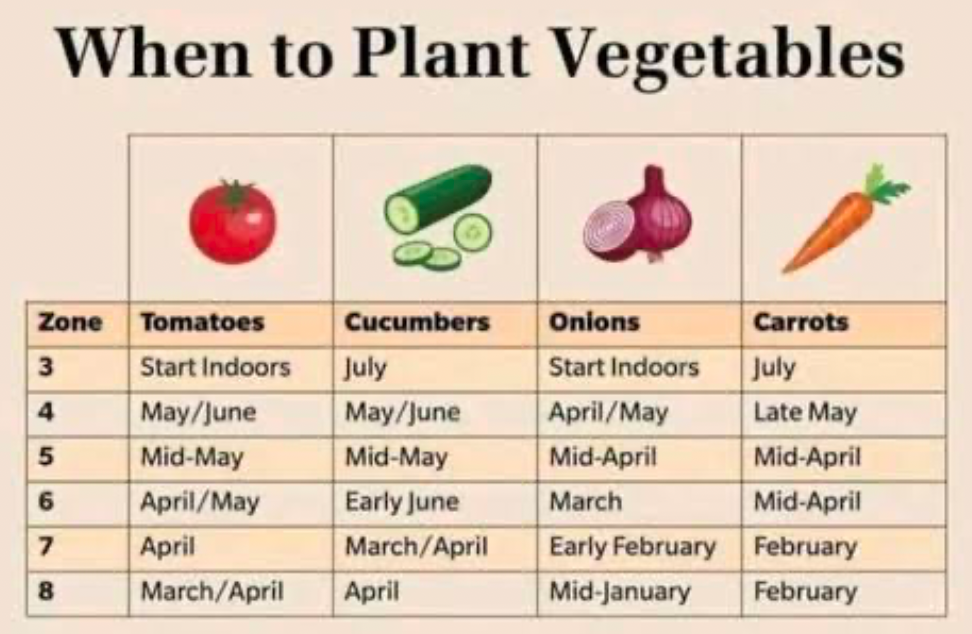
For optimal harvest, you need to add a seasonal planting schedule to your maintenance routine. Here are some useful gardening calendar tips to maximize your companion planting strategy.
Stagger Planting
With staggered crop planting, you use a short periodic schedule, such as weekly or bi-weekly timing, to plant your crops at intervals to ensure continuous harvest. It’s common with annuals and helps to avoid waste since there’s no massive harvest.
You can stagger tomatoes, lettuce and beans.
Frost Date
For frost date planning, you need a strong knowledge of your climate, zone, and local weather. It ensures you pick the right seasonal dates and plant your seedlings strategically.
Prepare for your last spring frost date by starting your seedlings indoors in a microclimate at least three to four weeks before you move it outdoors for a spring/summer bloom.
For a fall/winter crop, start your seedlings indoors about seven to eight weeks ahead of the last fall frost date.
Maintaining a Thriving Companion Planting Garden
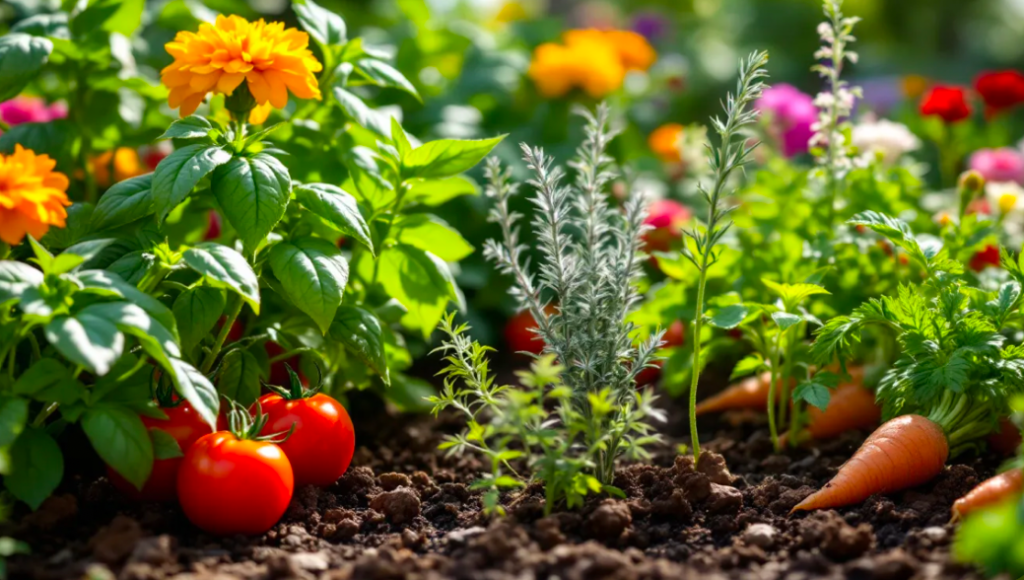
Continuous care and monitoring using these garden maintenance tips ensure the long-term success of your companion planting strategy.
Water
Group your plants by water needs so that you don’t drown or starve one species during maintenance. Feed water directly to the roots by spraying at the plant’s base into the soil at least 2 inches deep.
Prune
Maintain the plant’s health by pruning for airflow and nutrient circulation. Snip dead leaves and stalks to keep the plant visually stunning while allowing air to pass through the leaves.
Mulch
Incorporate mulching techniques, such as covering the soil with grass clippings and cover crops, to preserve moisture, deter pests, and crowd out weeds.
Monitor
Consistent pest observation will help you quickly notice dangerous activities and patterns so that you can stop them before they become infestations.
Overcoming Common Companion Planting Challenges
As you adopt these resilient garden practices, be careful not to make mistakes like overcrowding your plants or ignoring weather changes. Here are tips for overcoming such challenges.
Overcrowding solutions exist in proper companion planting plans, such as adequate spacing and plant arrangement. Scroll up for details.
Companion planting is enough to deter pests and prevent diseases, but if you must get extra support, use organic pest fixes like DIY homemade products.
Finally, incorporate weather protection for plants during critical seasons like extreme winter and summer. Use frost blankets in winter and increase your watering schedule during hot summers.
Conclusion: How to Create a Companion Planting Garden Plan for Success
With the benefits of this eco-friendly garden approach, your only thought should be when and how to create a companion planting garden plan. You can start small and experiment with family-based, light-based and seasonal-based pairings before expanding your garden.
Companion planting success comes from refining and adjusting your plan to fit changing climates and your garden’s unique landscape over time. Remember that you can make the most of productive plant pairings by using one combo to boost soil fertility, deter pests, provide shade, and infuse flavor.
Study the different plant families to understand what each one offers and maximize its natural chemicals.