
There is nothing quite as satisfying as stepping outside, brushing your fingers across fresh mint or basil, and bringing that fragrance straight into your kitchen. Herb gardens feel simple and rewarding. Yet they often attract tiny visitors who see your thriving plants as an open buffet. If you want to protect your herb garden from pests, it helps to understand that herbs are tender, aromatic, and full of nutrients that insects love.
Pests are common in herb gardens because herbs are usually grown close together, watered often, and kept lush and green. These are perfect conditions for insects to settle in and multiply quickly. The good news is that you do not need harsh chemicals to solve the problem. In fact, many gardeners prefer natural pest control for herbs because it keeps plants safe for cooking and supports the environment.
Early action is everything. Practicing herb garden pest prevention from the start makes it easier to avoid major infestations later. When you combine smart planting habits, careful observation, and consistent care, your herbs grow stronger and more resilient.
At the heart of it all is organic herb garden care. This means feeding your soil well, watering properly, encouraging helpful insects, and using natural remedies when needed. With a thoughtful approach, your herb garden can stay productive, fragrant, and chemical-free all season long.
Understanding Common Herb Garden Pests
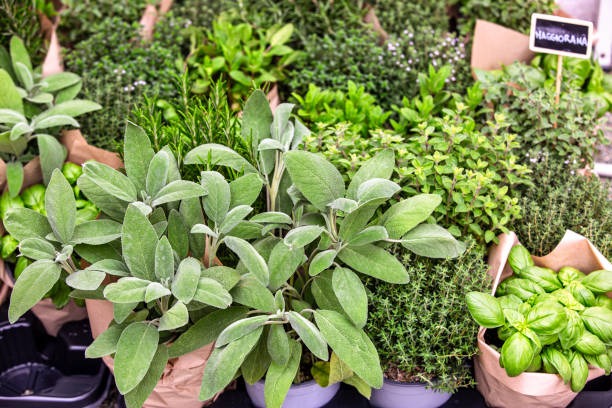
Before you can fix a pest problem, you need to know what you are dealing with. Many common herb garden pests are tiny, quick breeders that spread before you even notice them.
Here are some of the usual troublemakers:
• Aphids
• Spider mites
• Whiteflies
• Caterpillars
• Slugs
Aphids are small, soft-bodied insects that gather on stems and the undersides of leaves. If you notice clusters of aphids on herbs, they are likely sucking sap from the plant. This weakens the herb and can cause curling or deformed leaves.
Spider mites are even smaller and often hard to see without looking closely. When you find fine webbing and speckled leaves, you may be dealing with spider mites on plants. They thrive in dry conditions and spread quickly.
Whiteflies flutter up in a small cloud when you touch your plants. Caterpillars chew obvious holes through leaves. Slugs leave ragged edges and shiny trails behind.
Learning garden pest identification helps you respond correctly. Not every bug is harmful. Some insects actually protect your herbs by feeding on the bad ones. The key is to know the difference so you do not remove helpful garden allies by mistake.
Signs Your Herbs Are Being Attacked
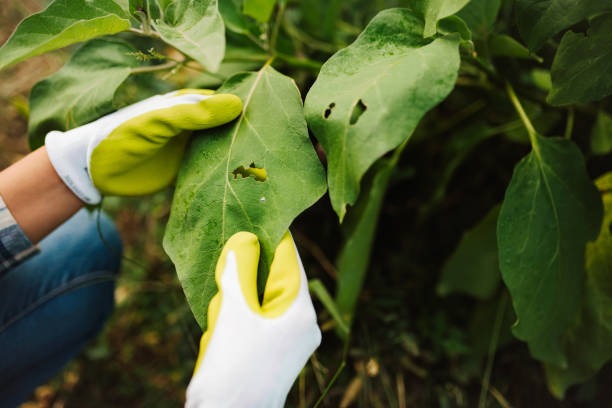
Herbs often show subtle warning signs before a pest problem becomes serious. Paying attention early can save you time and frustration.
Some clear signs of pest damage on herbs include:
• Leaves turning pale or yellow
• Small holes or ragged edges
• Sticky residue on leaves
• Wilting even when the soil is moist
• Tiny insects crawling or flying around
If you notice yellow leaves on your herbs, it could be due to overwatering. But it can also mean insects are draining nutrients from the plant. Always check the underside of the leaves for movement.
Finding holes in herb leaves usually points to caterpillars or beetles. They feed openly and can chew through several leaves in a short time. Other pest infestation symptoms include curling leaves, black mold forming on sticky surfaces, and fine webbing. The earlier you catch these changes, the easier it is to fix the issue using gentle methods.
Take a few minutes every day to inspect your herbs. A quick glance while watering can make all the difference.
Natural Pest Deterrents For Your Herb Garden
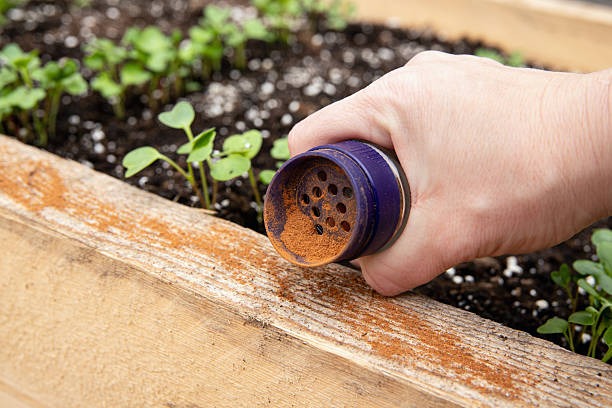
When it comes to dealing with insects, nature already provides excellent solutions. Many natural pest deterrents work effectively without harming your herbs or the soil.
Neem oil is one of the most popular options. Using neem oil for herbs helps interrupt the life cycle of insects. It works best when sprayed lightly on leaves in the early morning or evening.
Garlic spray is another powerful remedy. A simple mixture of crushed garlic and water creates a garlic spray for garden pests that repels many insects due to its strong smell. Most pests avoid treated plants, but the scent fades quickly for humans.
For crawling insects like ants and slugs, diatomaceous earth for insects can be sprinkled around the base of plants. It is made from natural minerals and damages the outer layer of insects without affecting your herbs.
When using natural solutions:
• Apply during cooler parts of the day
• Test a small area first
• Avoid over-spraying
• Repeat treatments as needed
Consistency matters more than strength. Gentle but regular care keeps pest populations under control.
Companion Planting Using Plant Allies To Repel Pests
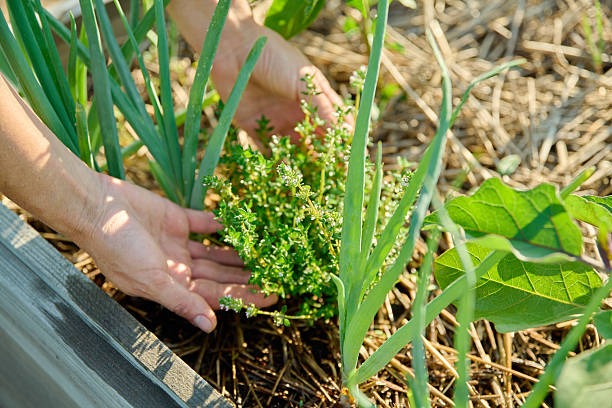
Plants can help each other more than you might think. Companion planting for pest control involves placing certain herbs and flowers together so they protect one another.
Marigolds are famous for their pest-fighting abilities. Planting marigolds around your herbs for pest control helps deter insects from settling in the first place.
Basil is not just delicious in the kitchen. Many gardeners believe that basil repels insects such as flies and mosquitoes. Growing basil alongside other herbs can create a protective layer in your garden.
Encouraging beneficial insects in garden spaces is also essential. Ladybugs, lacewings, and certain wasps feed on aphids and other harmful pests.
To make companion planting work:
• Mix flowers and herbs together
• Avoid planting all one type in a single block
• Provide small water sources for helpful insects
• Avoid harsh chemicals that harm good bugs
When your garden becomes balanced, nature does much of the pest control work for you.
DIY Organic Pest Control Solutions
Sometimes you need quick action. Simple homemade treatments can solve minor problems fast. Practicing DIY organic pest control allows you to respond without running to the store.
A gentle soap mixture is effective against soft-bodied insects. Using a mild soap spray for aphids coats and removes them from leaves. Always rinse the plant lightly afterward.
You can also make a homemade insect spray using water and a small amount of crushed pepper or garlic. This discourages pests from returning.
These forms of natural garden pest control work best when:
• Applied directly to affected areas
• Used in moderation
• Repeated every few days if needed
• Combined with manual removal of insects
Handpicking caterpillars or rinsing plants with water can also reduce populations quickly. The goal is control, not total elimination.
Tips For Maintaining A Healthy Herb Garden
Strong plants are less attractive to pests. Following healthy herb garden tips makes a huge difference in prevention.
Good herb garden maintenance includes focusing on these daily and weekly habits:
• Water deeply but allow the top layer of soil to dry slightly before watering again
• Make sure herbs receive plenty of direct sunlight since most varieties love warmth and light
• Space plants properly so air can circulate between leaves
• Trim herbs regularly to encourage fresh growth and reduce hiding spots for insects
• Remove weeds that compete for nutrients and attract pests
• Replace weak or heavily damaged plants quickly
If you want to prevent pests naturally, pay close attention to your soil. Healthy soil supports strong roots, and strong roots lead to thick, vibrant leaves that can better withstand minor insect activity. Add compost or organic matter to enrich the soil and improve drainage. Focus on soil health. Healthy soil produces strong roots, and strong roots support healthy leaves. Pruning herbs encourages new growth and improves air flow.
When plants are stressed, insects move in. A steady garden care routine keeps your herbs vibrant and resilient. Less moisture sitting on leaves means fewer opportunities for pests to thrive. Small, consistent efforts create long-term results.
When To Seek Professional Pest Control
Most herb garden problems can be handled naturally. However, there are times when expert help is necessary. A severe pest infestation can spread rapidly and destroy an entire garden if ignored.
If you notice widespread damage despite repeated treatments, it may be time to consider professional pest control for garden services. Professionals can assess the situation and provide targeted garden pest treatment that minimizes harm to edible plants.
You should consider when to call pest control if:
• Entire sections of your herb garden are wilting
• Pests return immediately after treatment
• You cannot identify the insect
• Damage is spreading to nearby plants
• You notice mold, fungus, or secondary plant diseases caused by pests
• The same infestation returns repeatedly despite treatment
Early expert intervention can save both time and effort. An expert can also help identify underlying causes, such as poor drainage, soil imbalance, or nearby pest-breeding areas. Addressing these root issues prevents future outbreaks.
Seeking professional help does not mean you failed. It simply means you are protecting your investment of time and care. Acting early can save your herbs and prevent complete loss. It is better to act soon rather than waiting until recovery becomes difficult.
Conclusion: Enjoying A Healthy Pest-Free Herb Garden
Growing herbs should feel joyful, not stressful. By combining smart observation, natural remedies, and thoughtful planting, you can create a truly pest-free herb garden. Beyond daily care and emergency treatment, thinking ahead ensures your herb garden stays productive year after year. Long-term planning strengthens your garden against recurring problems.
Embracing organic herb gardening means choosing gentle solutions that protect both your family and the environment. When you learn to protect herbs naturally, you build a system that supports long-term growth.
Healthy soil, balanced planting, natural sprays, and consistent care all work together to produce healthy herb plants that resist pests more effectively.
With patience and attention, your herb garden can remain lush, fragrant, and productive. Fresh basil, mint, thyme, and rosemary will continue to thrive, ready to flavor your meals and brighten your space. And the best part is knowing you achieved it using simple, natural methods that truly work.