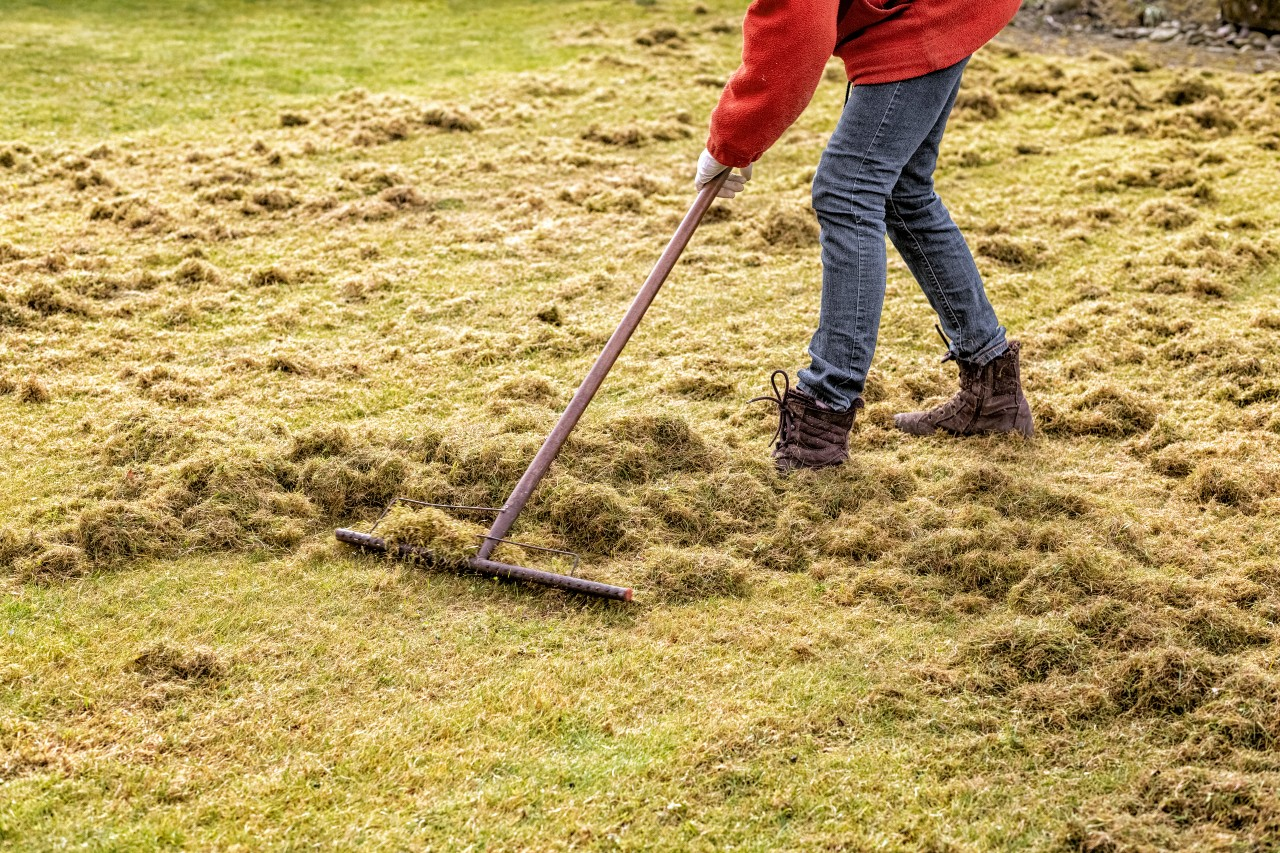
Bring life back to your tired lawn by clearing away old debris. Water often runs off the surface when a brown layer of stems blocks the way. Simply taking care of this organic buildup makes the grass much more resilient against heat and mold during the year. Learn how to spot thatch and pick the right tools to bring your grass back to life!
How To Remove Thatch From Your Lawn
Thick layers of old clippings and roots eventually build up and create a barrier that stops your lawn from looking its best. You should take advantage of this dethatching lawn guide which will make it easy for you to spot when that organic buildup starts causing trouble.
All of the excessive material prevents nutrients from feeding your grass, leading to thin patches and yellowing blades. When you remove thatch from the surface of your lawn, you’ll notice that your fertilizer will work much better than before.
Knowing how to remove lawn thatch restores the natural flow of air to the roots. Keep in mind that timely removal of lawn thatch is the secret to maintaining a backyard that is able to stay resilient all through the year.
Understanding Thatch and Why It Matters
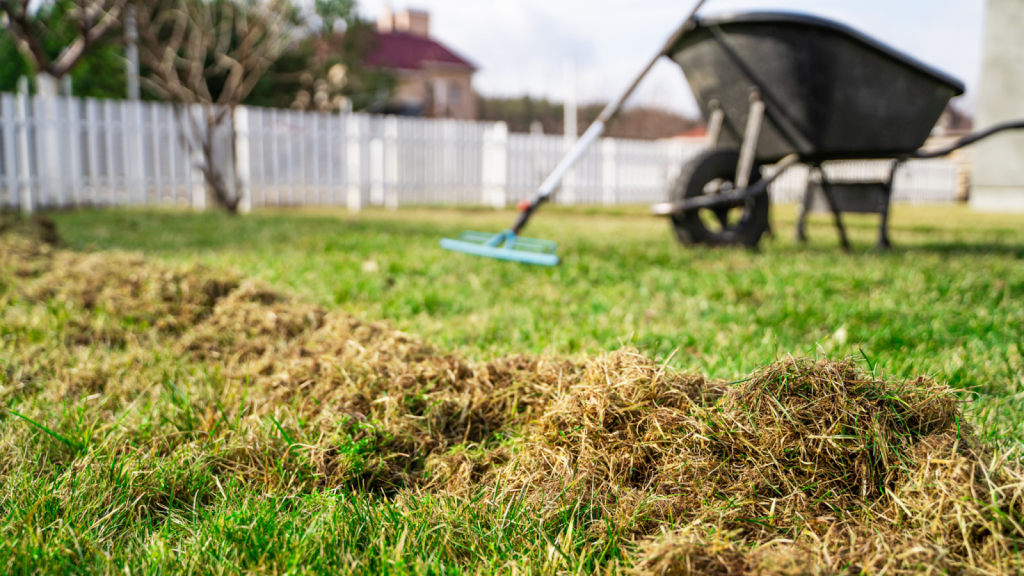
Brown mats of stems and roots often hide just beneath the surface of a lush green yard. While a bit of this organic material helps to keep the ground insulated, a massive thatch layer in a lawn causes serious trouble.
This lawn thatch buildup starts when the natural decay process falls behind the growth of new grass. Many people start to ask what lawn thatch is once they notice the yard feels unusually bouncy under their feet. The presence of thatch also makes it clear why water just runs off instead of soaking in.
Apart from that, the thick layers also prevent the roots from growing deep into the cool earth below. Keeping this material thin ensures the soil stays healthy and the grass stays thick.
Signs Your Lawn Has Thatch Problems
Lush green blades need direct access to nutrients and water to stay strong throughout the year. You must know how to detect the different signs that come with lawn thatch early before your yard starts to look dull and tired.
This thick layer of old clippings usually creates a springy sensation under the shoes. That soft and spongy feel on your lawn might seem nice at first but it actually suffocates the living grass.
Since the thick mat blocks out moisture, you’ll notice that your yard starts to develop lawn drainage issues after a heavy rain. The blades might start to look brown or thin out in large sections. These annoying unhealthy grass symptoms suggest that the soil is not getting the food it needs to support growth.
Why Thatch Management Is Essential for Lawn Health
Over time, dead stems and roots form a barrier that keeps water from reaching the thirsty grass. Proper management of lawn thatch makes sure that moisture and food actually get down to the root system.
When this barrier gets too thick, the lawn becomes vulnerable to many different types of mold. Staying active with your lawn maintenance keeps the grass resilient against outside stressors.
Also, keeping that layer under control is a great way to prevent lawn diseases that often ruin a backyard. Opening up the turf allows for better air circulation and stronger growth. These steps all work together to improve your grass health for a thick and bouncy lawn.
How to Test Thatch Thickness Accurately
Healthy yards need enough breathing room to stay lush and green throughout the warmer months. You can simply take a sharp tool to pull up a tiny square of sod and perform your dethatching assessment.
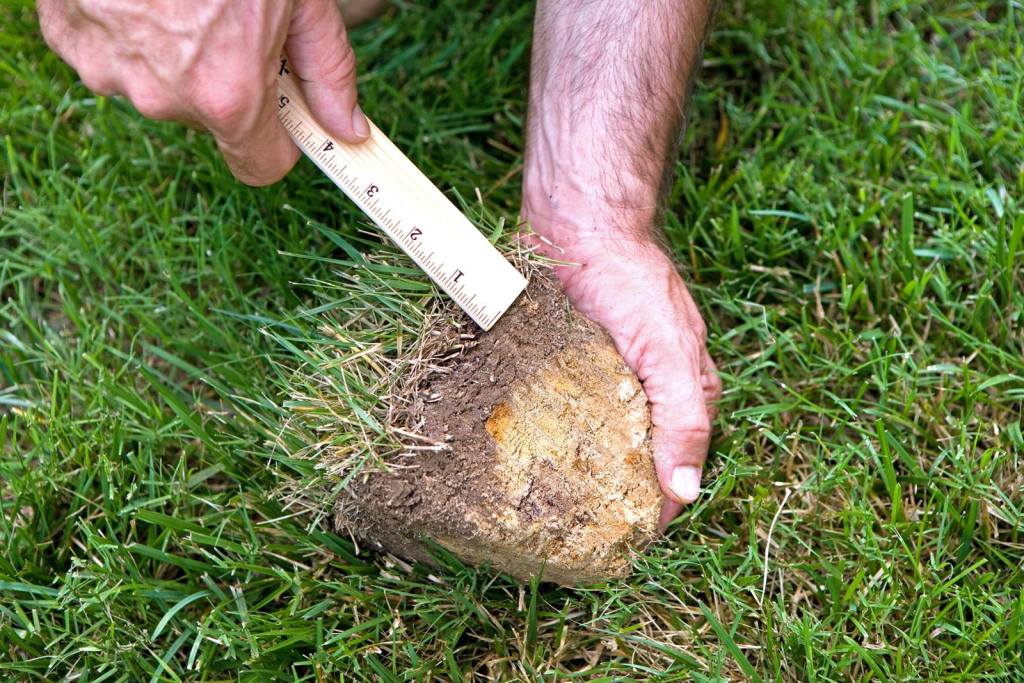
Looking closely at the cross-section will show just how much organic debris sits on top of the dirt. A successful thatch thickness test shows whether that buildup is preventing nutrients from soaking into the ground. Most grass types grow well when that brown layer stays thin and manageable.
You can use a ruler or even a finger to measure lawn thatch, and this can help you determine if a heavy cleanup is overdue. This regular lawn soil inspection catches problems before the grass begins to turn yellow or feel too bouncy.
Best Time of Year to Remove Thatch
Grass needs to be actively growing to handle the stress of pulling up old debris. Northern homeowners find that late August through September works best for their cool-season turf. You should choose a fall dethatching lawn schedule that allows the grass to heal while the soil is still warm.
If you have a yard that has warm-season grass like St. Augustine, then it may be a better plan to wait till late May or June. A spring dethatching session for these types usually coincides with their most aggressive growth period. Identifying the best time to dethatch your lawn helps to prevent unnecessary damage to the root system.
Tools and Equipment for Effective Thatch Removal
Healthy lawns usually need a little help to breathe properly. You should get a solid dethatching rake which will allow you to enjoy precise control over the areas that get cleaned up.
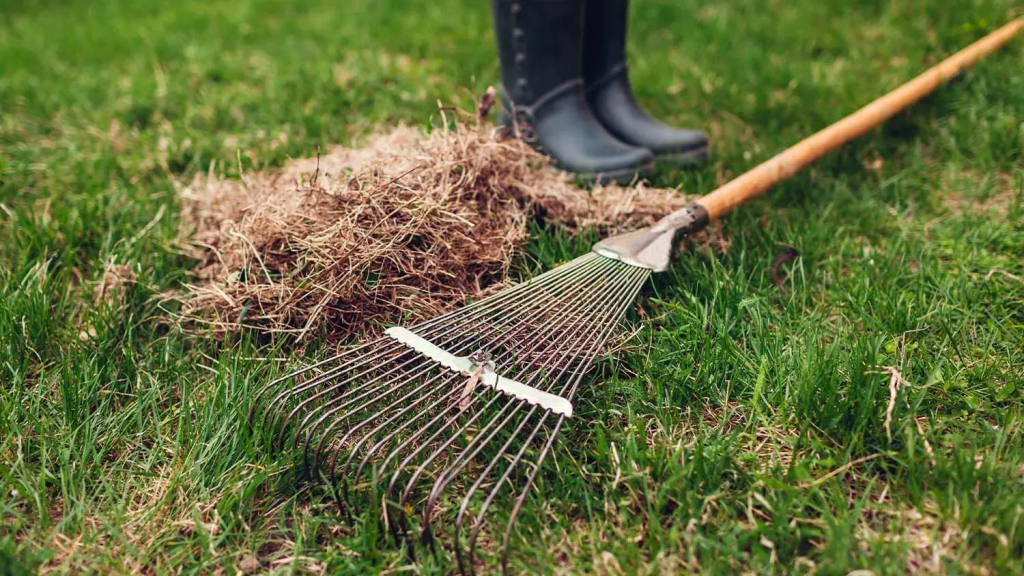
These specialized hand tools have curved metal teeth that are designed to grab onto yellowed grass stems.
When the job feels too big for manual labor to handle, a power dethatcher can be used to do the heavy lifting by chewing through thick mats of debris. Some homeowners prefer to use a lawn aerator and dethatch at the same time to tackle both thatch and hard ground.
Simply getting the best lawn dethatching tools can make the difference between a patchy yard and a thick green carpet. Choosing gear that feels comfortable to use helps make the maintenance process feel like less of a chore.
Step-by-Step Guide to Removing Thatch from Your Lawn
Mowing your yard shorter than usual will usually expose the debris that hides under the green blades. You should moisten the ground a day before to help the metal tines or rake teeth move through the dirt without getting stuck.
As a yard owner, you will need a solid dethatching method that matches the grass type and the amount of buildup present. Picking up the piles of brown waste right after the job keeps the grass from getting smothered.
Keep in mind that using the right dethatching steps results in a yard that looks much better after a few weeks of recovery. Also, completing the lawn thatch removal process usually needs a deep watering to help the roots recover.
Best Practices to Prevent Future Thatch Buildup
Breaking up compacted dirt is one of the most functional ways to prevent lawn thatch from choking out new growth. Using an aerator allows water and nutrients to reach the roots, which is one of the top lawn aeration benefits.
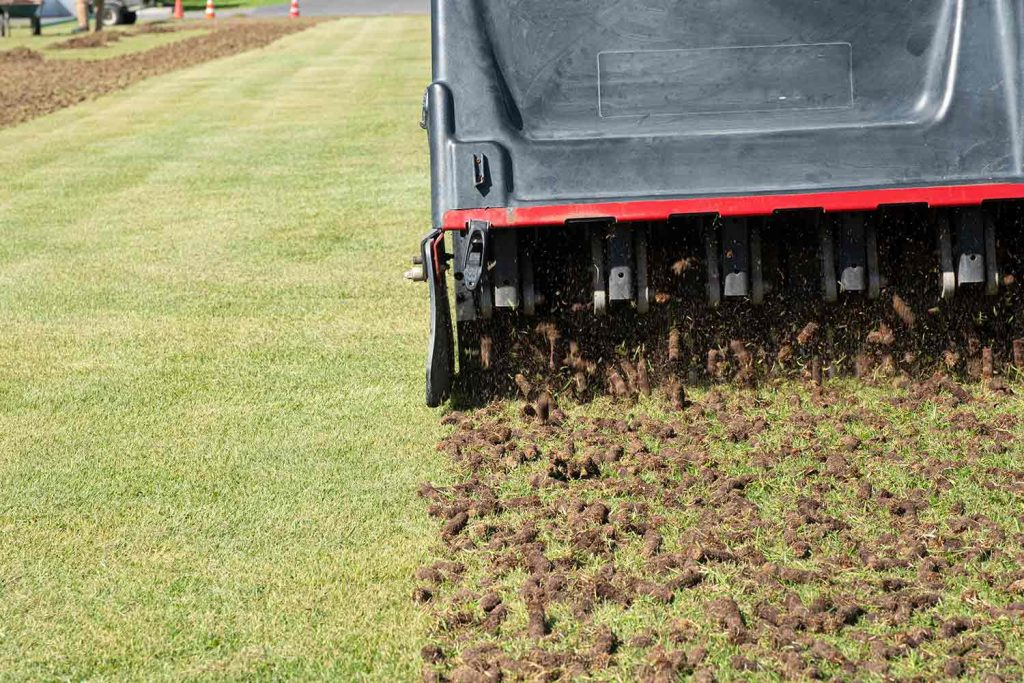
You should add these steps into a seasonal lawn care routine to keep the ecosystem in your yard balanced.
Keeping your mower deck at a proper mowing height helps to prevent the grass from getting stressed and dropping too much dead material. Also, watering the yard during the early morning hours will help the moisture soak in without causing the fungal issues that lead to heavy buildup.
Post-Thatch Removal Lawn Care Tips
You have to provide consistent moisture, as it is a very important part of post dethatching care. It is also advisable to add a layer of food to help the lawn rebuild its strength after the stress of the process. Many experts advise that you fertilize after you are done dethatching to maximize the intake of minerals.
It is good to add a few fresh grass varieties to help the lawn resist pests and heat better. Completing an overseeding lawn project ensures that the yard grows back thicker than before. Avoid heavy foot traffic for a few weeks while the roots get established.
Maintaining a Healthy Lawn Beyond Thatch Control
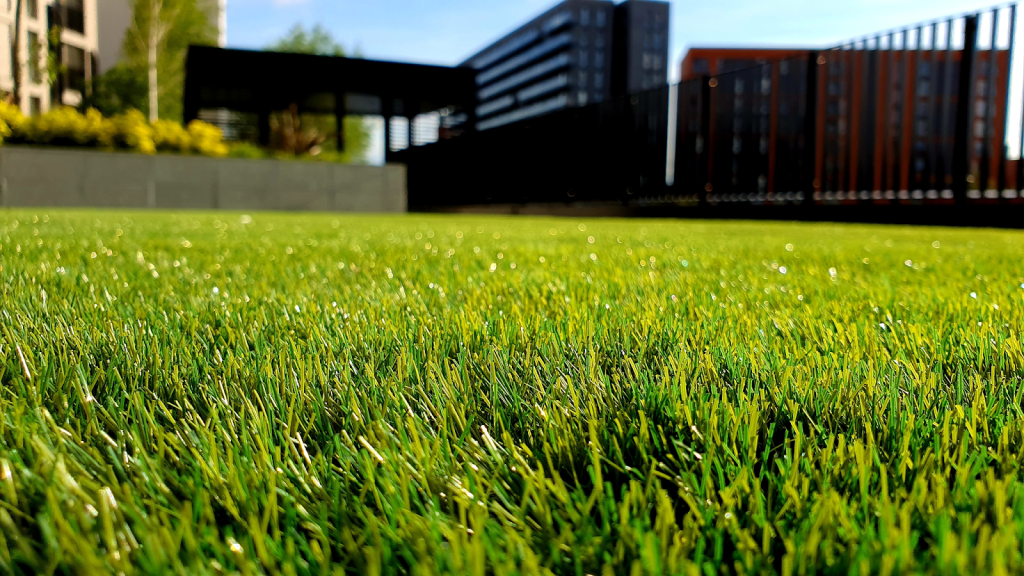
Leaving grass clippings on the yard helps to return nitrogen naturally to the dirt. Following a routine for seasonal lawn care keeps the turf ready for temperature shifts.
Fall is usually the best time to aerate the ground so that water is able to reach the root zone. Making these habits a part of your long-term lawn care prevents weeds from taking over the yard.
Also, thicker grass naturally blocks out the sun for unwanted seeds. You can use these lawn maintenance tips with your neighbors to create a beautiful street for everyone to enjoy.
Final Thoughts on Achieving a Thatch-Free Lawn
Letting buildup sit for too long in your yard will block water and sunlight from reaching the roots. Keep in mind that consistent maintenance is a very important part of lawn care for anyone who would love to have a beautiful yard. Seeing the grass green up faster in the spring is one of the many dethatching benefits that homeowners notice right away.
Making sure the mower height is correct and using less high-nitrogen fertilizer keeps the layer from getting out of hand. Don’t forget that lasting lawn health improvement comes from being proactive rather than waiting for the grass to turn brown.
Let us know if these dethatching steps made a visible difference for your yard in the comments below!