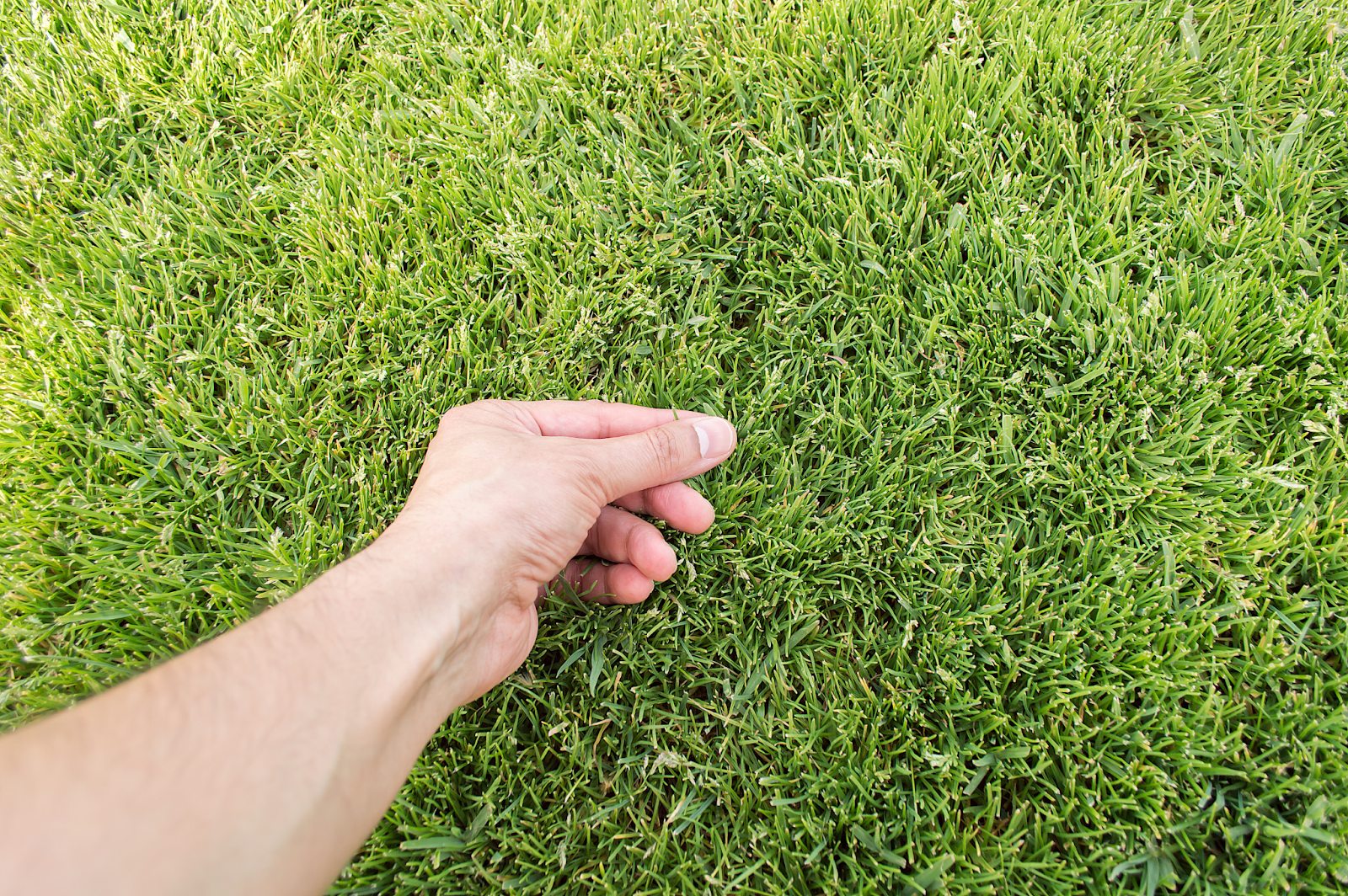
Stop guessing about your grass and follow these simple steps for a better yard. Kentucky Bluegrass loves chilly weather but needs a bit of help with watering and bugs. Find out how to check your soil and set a schedule that keeps your turf lush, thick, and deep green. You will learn all this and more in this post!
Kentucky Bluegrass for Lawns: The Ultimate Guide
Kentucky bluegrass is a favorite among homeowners because it allows people to walk on it conveniently and it also recovers well after damage. This grass is very unique and it creates a very beautiful turf because of the deep emerald shade it produces during its growing season.
This grass is also known as Poa pratensis by professionals, and it stands out as one of the best grasses for cool climates since it loves chilly springs and brisk autumn days. Growing this lush green lawn grass takes some patience with watering but the soft texture makes every bit of work worth the effort.
Benefits of Kentucky Bluegrass for Lawns
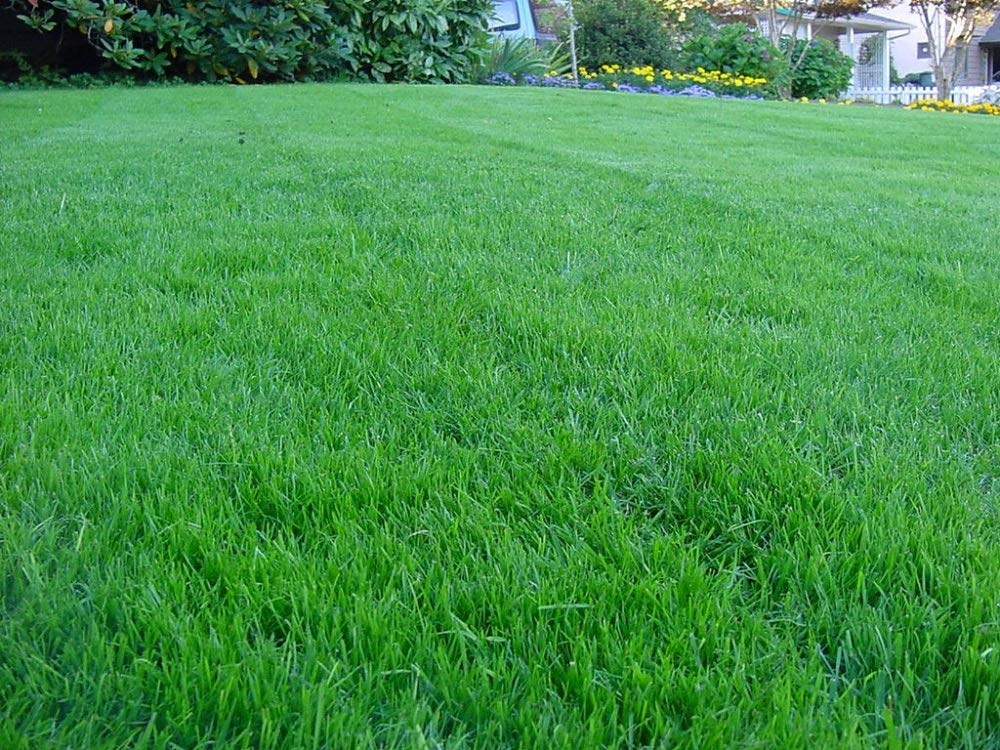
Kentucky bluegrass allows you to have a yard that looks good year-round. This grass usually creates a dense turf that naturally chokes out all unwanted dandelions and crabgrass. It is also known as a self-repairing lawn grass because it fills in holes or thin areas on its own using its special root system.
Many northern homeowners love it because it is a cold tolerant grass that doesn’t die off when the first freeze hits. Among the many benefits of Kentucky Bluegrass, the rich color and ability to bounce back from activity stand out the most.
Ideal Growth Conditions for Kentucky Bluegrass
If you want a lush and deep green yard, then this specific variety of grass is a go-to choice for that look. Since it is a northern favorite, you should try to meet the cool season grass requirements so that it survives those brisk autumn days and snowy winters.
The best soil for Kentucky bluegrass is often loamy and full of organic matter. You should always monitor the pH of your soil to ensure that it is not too acidic or alkaline. Given the right conditions, Kentucky bluegrass has the ability to naturally fill in bare spots on its own.
Best Practices for Planting Kentucky Bluegrass

Before you go ahead to plant the grass, you have to ensure that the ground is free of weed or old debris. It is important that you rake the surface regularly to prepare the soil for the grass, so that the small grains can make direct contact with the soil. This contact triggers the growth process and helps the lawn fill in quickly.
The majority of homeowners tend to seed Kentucky bluegrass in the late summer because the soil stays warm while the air cools down. Also, when you want to plant Kentucky bluegrass, you have to ensure that the ground is damp but not soaked. These lawn seeding tips can help you turn a bare patch of soil into a thick green space that will add charm to your home.
Watering Techniques for Kentucky Bluegrass Lawns
One of the ways to keep your grass green and alive is to come up with a solid lawn watering schedule. Deep watering your grass ensures that the moisture actually stays where the plant can use it.
It is best to get this done in the early morning so that the blades can dry before nightfall. Doing this would prevent fungus from growing on them. You should always be on the lookout for signs of drought stress on your lawn, such as blades turning a dull bluish-gray color. This usually means that the grass needs to be watered to help it bounce back.
Fertilization Strategies for Healthy Kentucky Bluegrass
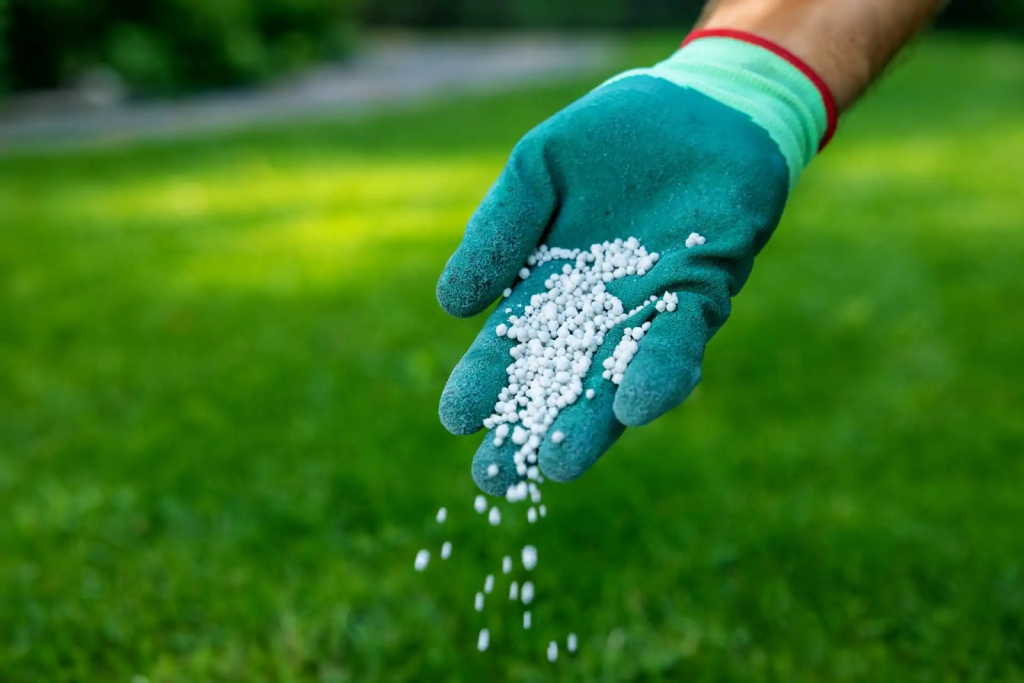
Maintaining a healthy yard is much simpler when the grass gets the right food at the right time. Since this variety grows in cycles, your lawn feeding schedule should prioritize the cooler months when the plant is most active. You can fertilize your Kentucky bluegrass once the ground warms up in the spring to help it recover from winter dormancy.
Most experts agree that the best fertilizer for bluegrass should include micronutrients that build up natural resistance to pests and drought. You can also apply a nitrogen fertilizer treatment to your lawn for a fast green-up the following year.
Common Pests and Diseases Affecting Kentucky Bluegrass
Pests are one thing you want to avoid on your Kentucky bluegrass lawn. These pests love to attack the tender blades of the grass because they offer plenty of nutrients. If you see irregular yellow spots on the grass, it is usually a sign that there is chinch bug damage occurring as they suck the life out of the grass.
Also, these bugs love dry heat, so it is best to keep your yard hydrated. If you notice that the turf feels spongy underfoot, it is likely that there is grub in the lawn that is feasting on the root system. Also, keeping the right mowing height stops lawn diseases from spreading too quickly.
Maintenance Tips for a Lush Kentucky Bluegrass Lawn
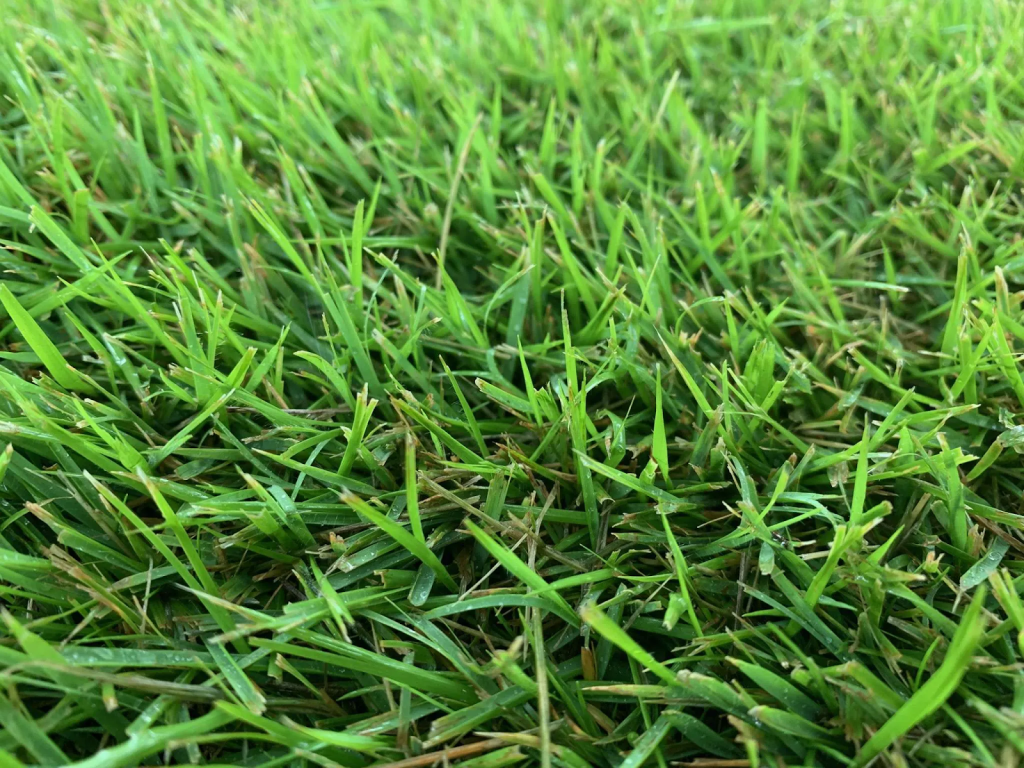
A beautiful lawn is the pride of your neighborhood, but it needs your regular attention to stay that way. You should overseed the bare spots on your lawn during the cooler months. This helps to prevent weeds from taking over. These routine tasks make it easier to maintain your Kentucky bluegrass without any expensive fixes.
Also, thirsty roots need enough space to expand and drink up the rain. You can use a machine to aerate the lawn surface every couple of years to keep the soil from getting too hard. Don’t forget to keep the mowing height consistent to prevent the grass from going into shock after a trim.
Comparing Kentucky Bluegrass with Other Grass Types
If you want to get a lush and deep green carpet, you have a number of options available. Besides Kentucky bluegrass, you can also make use of tall fescue. When it comes to the debate between Kentucky bluegrass and fescue, it usually comes down to heat tolerance.
Bluegrass usually wins on soft texture and that classic midnight hue. However, fescue is able to handle a beating from the sun much better, but it grows in clumps rather than spreading out to fix bare spots. If you live in a place where the soil stays frozen all winter, bluegrass is likely the best grass to be used in the neighborhood.
Conclusion: Is Kentucky Bluegrass the Right Choice for Your Lawn?
If you want to build a yard that stays thick and lush all year-round, you have to pick the right seeds for the local weather. Kentucky bluegrass is one of the best lawn grass for cool climates due to its natural ability to go dormant during extreme cold and bounce back in the spring.
You should stay on top of your bluegrass lawn care to keep the growth dense. Also, using high quality fertilizer and plenty of water will help to keep your lawn healthy and green for years to come.
Grab a bag of premium Kentucky Bluegrass seed, start your lawn transformation, and share an update in the comments below!