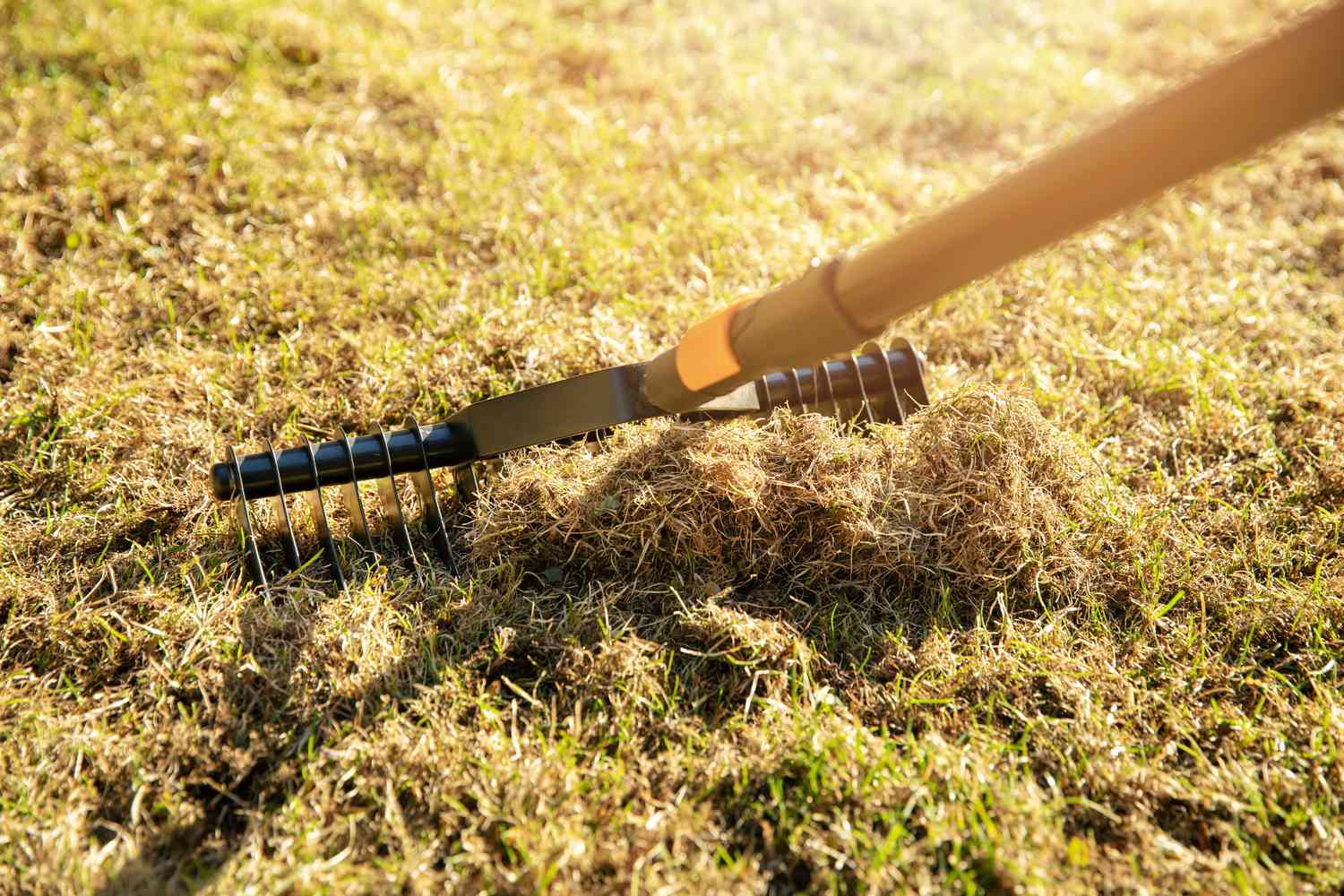
Pull up that old dead grass so that your lawn can stay green and thick. Simply getting all that debris out of the way allows water and food to reach the roots. This post shows how you can time these chores to get the best out of your yard. Get the timing right and watch your grass grow stronger than ever.
Lawn Dethatching Before or After Fertilizing?
If you have a yard that feels spongy underfoot, it usually means that it is struggling to get enough air and water down into the soil. The solution is to pull up that old brown material to give your green shoots more room to spread out and get strong. During your routine lawn maintenance, you should always look at the ground before adding any extra products.
Remember that getting your lawn care timing right will prevent your grass from drying out or getting shocked by the heavy metal tines. Deciding on whether you should dethatch your lawn before or after fertilizing is really about clearing the door before trying to bring in the groceries so that everything fits where it belongs.
Benefits of Dethatching Your Lawn
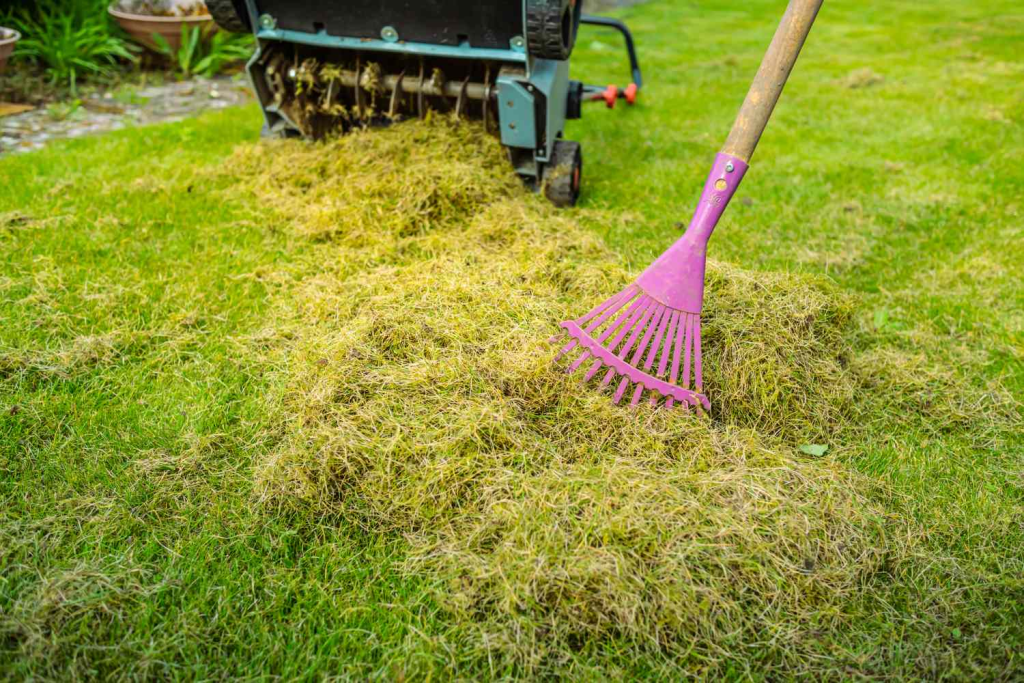
Spreading your fertilizer on a yard thick with old debris is just like throwing money away. That spongy mess blocks everything, but clearing it away provides many of the benefits that come with dethatching.
Once that layer is gone, you’ll see that water will be able to flow directly to the soil instead of evaporating on the surface. Once you are done removing this buildup, the airflow of your soil will improve and this ensures that the ground won’t get too packed down.
A healthy yard usually relies on the grass root health to survive summer heat, and a clean surface helps those roots grow deeper.
When to Dethatch Your Lawn
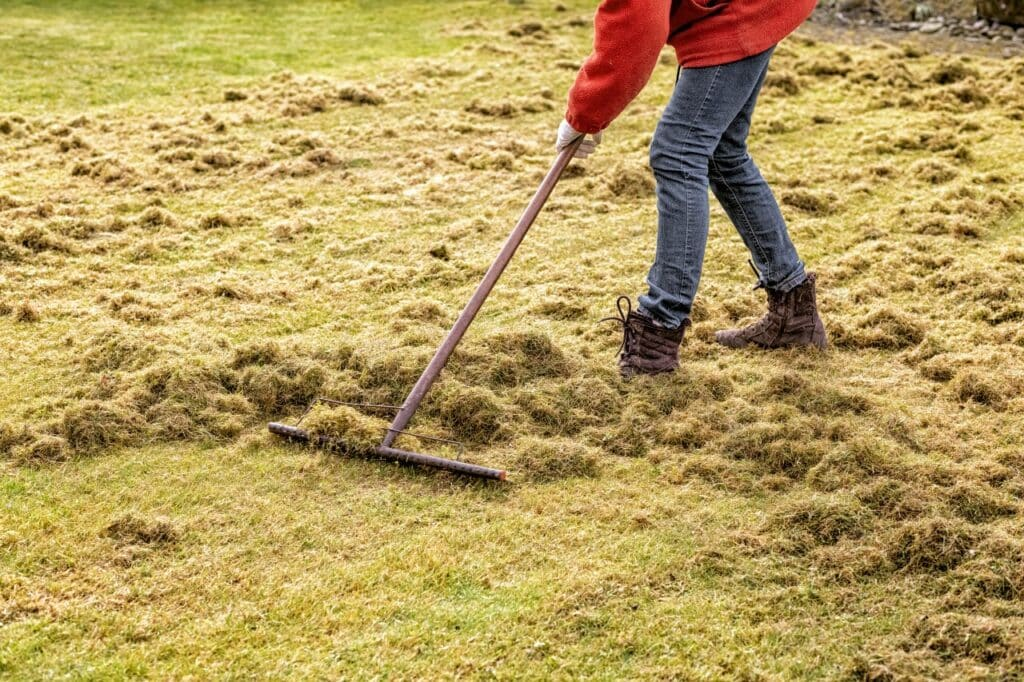
Before you choose a time to dethatch your lawn, you need to wait for when your grass is actively growing and vibrant.
Many homeowners find success with spring dethatching during months when the weather stays mild. Others prefer to dethatch during fall to prepare the turf for the upcoming dormant season.
Once in a while, you should test out the thickness of the thatch to be sure the buildup is not stifling the roots. Even though a thin layer of organic matter actually protects the ground, you’ll need to remove anything that is deep. Using a trowel helps to reveal the hidden layers beneath the green blades to make sure the timing is perfect.
Lawn Fertilizing Essentials
The only reason why a thick carpet of grass is able to stay that way is because the soil underneath has plenty of energy to support new growth. You need to have a good grasp of all the basics of lawn fertilizing before you can turn a struggling yard into a hardy space that can handle kids and pets without turning brown.
Many times, the choice between organic and synthetic fertilizer depends on your long-term goals for the environment and soil health. While one builds up the ecosystem, the other targets the blades directly for a sudden pop of color. You can load up on lawn nutrients to help the roots find the strength to push deep into the earth for better hydration.
Dethatching Before Fertilizing
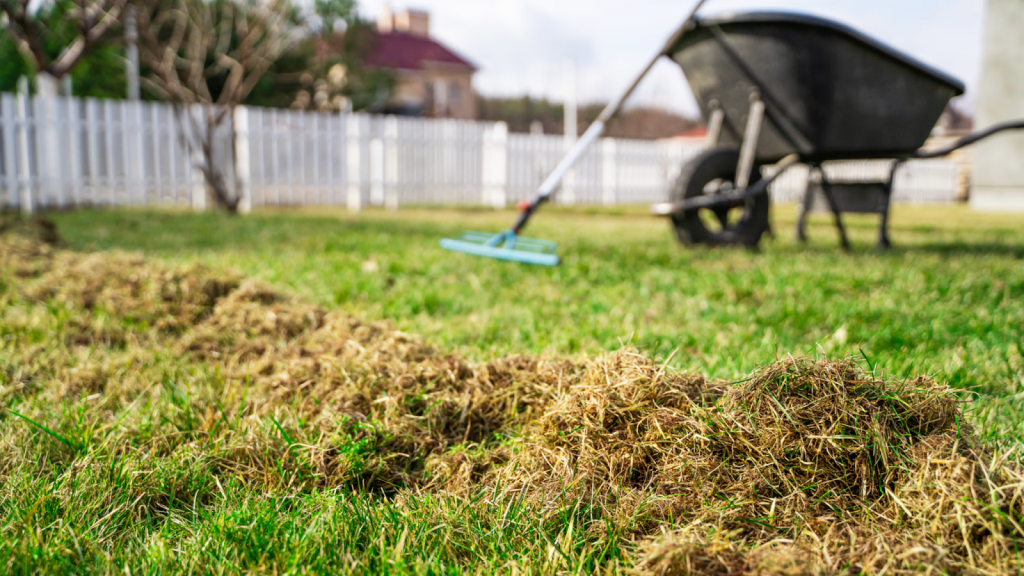
Giving your lawn a fresh start often requires removing the heavy brown mat that sits right above the soil. This organic buildup stops the grass from getting the fuel it needs to grow strong.
Using pre-fertilizing dethatching techniques opens up the pores of the yard so that the earth can breathe. It’s much easier to improve fertilizer absorption when there is nothing standing in the way of the grass blades.
When you take the time to dethatch before fertilizing, the results show up in a much deeper green color. Effective lawn soil preparation habits also help the granules to dissolve into the ground where they belong. A cleared surface allows every bit of the treatment to reach the roots for better performance.
Dethatching After Fertilizing
Just imagine spreading food on your lawn only to later realize that the thatch is two inches thick. This actually happens quite often. Carrying out a post-fertilization dethatching helps to pull those pellets away from the dead grass and into the root zone.
This process is all about redistributing the lawn fertilizer so that every blade of grass can get their own share of the nutrients.
You should also follow up with solid lawn recovery techniques to help keep the soil open and breathable for the rest of the growing season. Choosing to dethatch after fertilizing prevents the expensive nitrogen from simply evaporating or feeding the weeds on top.
Combining Dethatching and Fertilizing
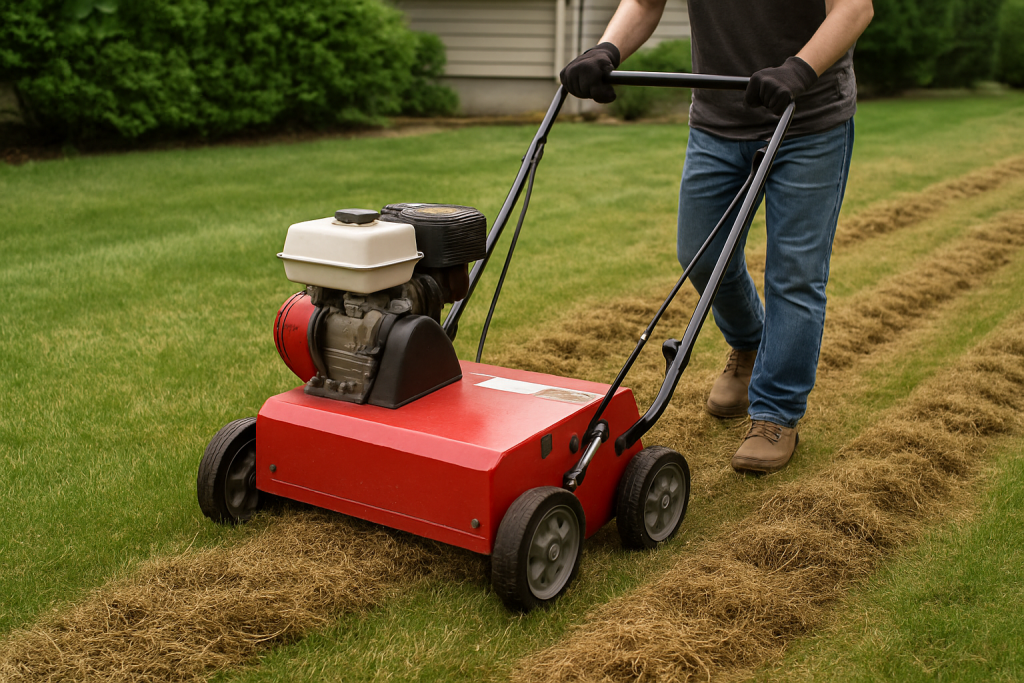
Wait for your grass to start growing actively before pulling out the heavy tools. Cleaning out the matted organic matter makes room for new life to sprout up. A well timed dethatching and fertilizing schedule takes advantage of the natural growing season. This simple addition to your lawn care routine keeps the soil from becoming compacted and lifeless.
Once the thatch is gone, the fertilizer reaches the soil immediately instead of sitting on top. You should put together a solid seasonal lawn care plan as it can make the difference between a struggling yard and a lush one. Most yards thrive when they receive food at the same time they get a deep cleaning for healthy grass growth.
Common Myths About Dethatching and Fertilizing
Seeing a patchy yard often leads people to believe that the old grass clippings are acting as a protective blanket for the roots. This is one of the most common dethatching myths, and believing it often causes the lawn to stay yellow despite plenty of watering.
A thick layer of dead organic matter also stops fertilizer from working, which is why proper lawn maintenance should involve thinning it out occasionally. Removing that barrier is one of those solid dethatching measures that ensures the grass stays lush and green.
Avoiding the rake because of these lawn care misconceptions usually just invites pests and fungus to move into the yard.
Conclusion: Tailoring Your Lawn Care Routine
Checking the ground for old clippings and dead roots is the first step toward a better yard. This debris often stops water and food from getting deep into your soil.
You should create a customized lawn care schedule based on the local weather to help avoid any unnecessary damage to the turf. You can switch up your dethatching fertilizing order to ensure that the fertilizer actually touches the soil instead of just sitting on top of dry brown waste.
That simple change is a great healthy lawn strategy for anyone wanting a thicker outdoor space. If you want your yard to look professional without needing a lot of expensive equipment or complicated chemical treatments, then you should implement these lawn care best practices.
Let us know in the comments below if you plan to clear out that old thatch before or after you put down your fertilizer this weekend!