Whether you have Fescue in the north or Bermuda in the south, repairing your lawn doesn’t have to be a headache. Clear away debris, loosen the dirt, and follow a solid watering plan to see those seeds sprout. We share how you can avoid common mistakes like over-fertilizing so your new growth blends in perfectly. These home-grown fixes will help you achieve a lush and inviting backyard.
Lawn Repair Tips For Damaged Grass
After a long summer of backyard fun and games, there are chances that you may start to see some tiny brown spots or thin patches on your lawn. However, there are some handy lawn repair tips that can help you to keep your grass thick and inviting.
We have put together this thorough grass repair guide to show you exactly how to handle soil that looks worn out or tired. The best part about it is that you can even fix those patchy lawn zones without needing any professional help.
Once you are able to put together a routine for repairing your damaged grass, the yard will be able to stay healthy even when the weather gets tough.
Identify What’s Causing the Lawn Damage First
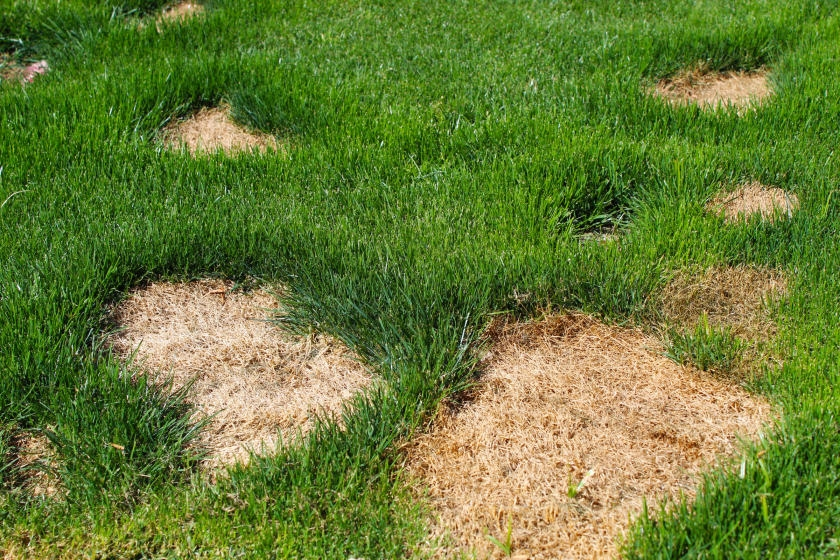
Healthy yards occasionally turn into a mess of yellow straw and thinning patches without much warning. It is important that you are able to recognize the signs that your lawn is taking some damage early. If you miss these signs, a small problem may end up taking over your entire front porch.
There are so many things that can lead to patchy grass on your lawn, including heavy foot traffic from the family dog. This is one reason why you should always examine the soil from time to time.
Also, there might be some lawn damage beneath the surface caused by nutrient deficiencies or sneaky lawn pests. The moment you are able to figure out why your grass is dying, you’ll be able to know the steps you need to take to fix the problem.
Match Your Repair Plan to Your Grass Type
Every yard is unique in its own way and deserves its own special treatment. You definitely do not want to treat a patch of Bermuda like you would Fescue. Identifying certain grass types for lawn repair helps make sure that the work actually sticks.
Northern yards usually need a plan to repair cool season grass during the crisp days of early fall when the ground is still warm but the air is chilly.
Alternatively, those living in southern climates find success when they repair their warm season grass as the summer heat begins to kick in. Simply following certain lawn grass recovery tips helps to make sure that the new growth blends in perfectly with the rest of the yard.
Improve Soil Health Before Repairing Bare Spots
The health of your soil is so important and it determines to a large extent how quickly your yard will be able to bounce back. Those bare spots on your lawn are usually a sign that there is either poor drainage or a lack of nutrients.
You can spread compost to add the organic matter that is needed to improve the lawn soil.
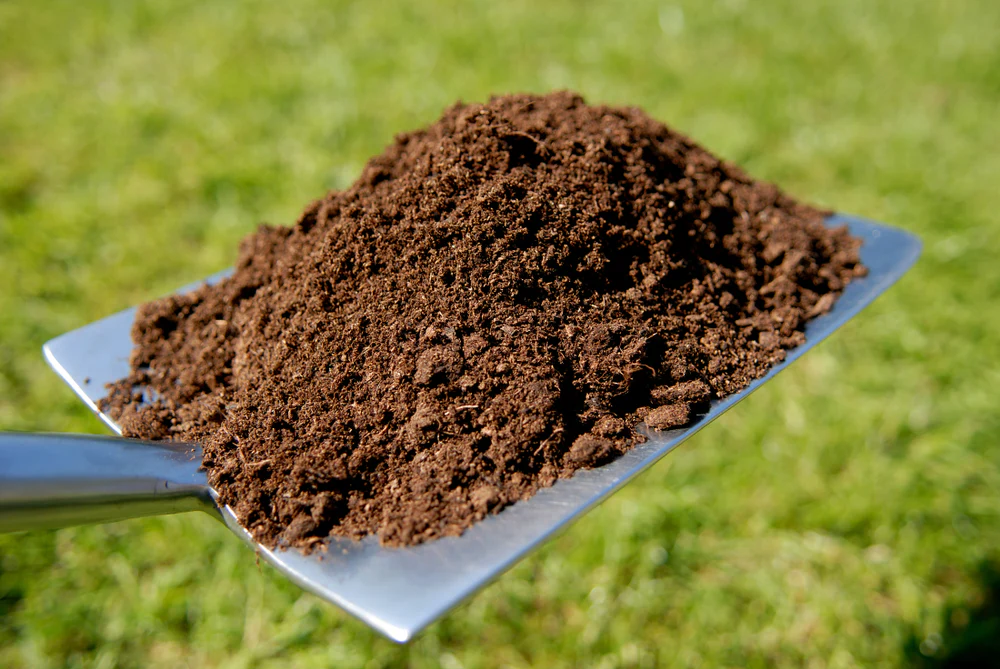
It is also a good idea to fix your soil if it is compacted. This will allow the roots to easily push through the earth. You should also check the pH balance to make sure that the soil isn’t working against the new seeds.
Seed and Overseed the Right Way for Better Coverage
Brown spots on a green lawn stand out in the worst way. It’s always a good idea to clear out dead debris and loosen the top inch of the soil. This helps with repairing those lawn patches because the seeds need to touch the soil. Spreading a fresh layer of seed on those damaged lawn areas makes the entire yard look uniform.
It is important that you know how to seed your lawn properly. As part of the process, you should rake the area well so that the grains are tucked into the dirt. When it’s time to reseed bare grass patches, light watering twice a day keeps those tiny sprouts from drying out.
Water New Grass Properly After Lawn Repair
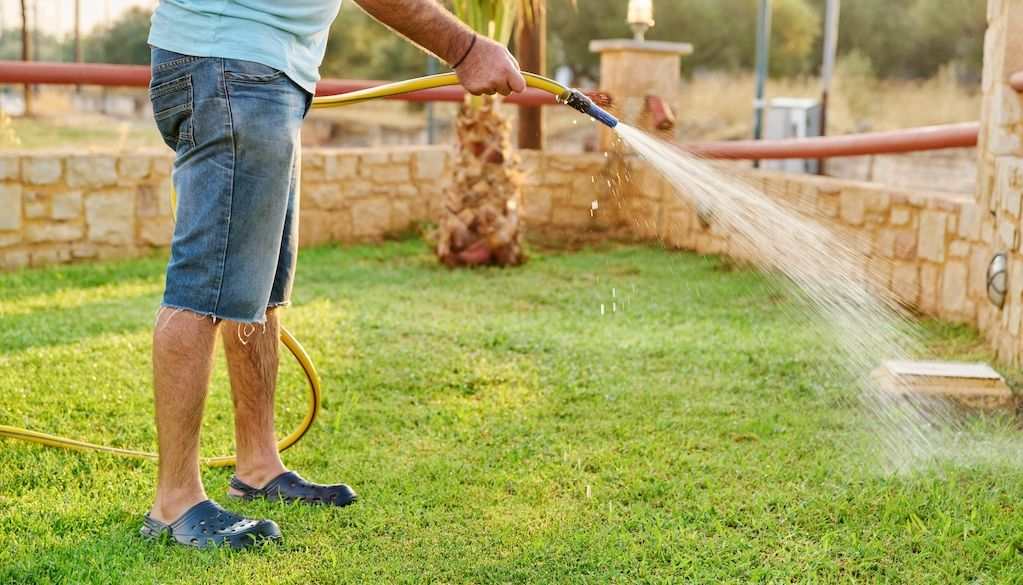
New growth is incredibly thirsty but also very fragile. You should always aim to keep the grass seed moist with frequent light misting throughout the day. Dry seeds won’t sprout, so keeping that top layer of soil damp is needed early on.
Paying attention to the watering requirements of new grass seed during these distinct phases turns a brown spot into a thick area of healthy green turf. As soon as the yard starts to look green again, then you can adjust your lawn repair watering schedule.
You can force the roots to stretch downwards for a drink by switching to fewer but longer soaking sessions. Proper watering after overseeding like this builds a base for a lawn that survives for many years.
Use the Right Fertilizer to Support Recovery
It is important that you give your lawn the required nutrients at exactly the right time. Using a high quality lawn recovery fertilizer gives those necessary elements that weak roots crave. For those stubborn bare spots, you can apply a starter fertilizer.
Just be careful not to dump too much on at once. You may end up burning the tender stems of your damaged grasses if you ever try to feed them with too much nitrogen at once. The ideal fertilizer for your lawn repair should be one that is balanced. It should help your yard grow back thick and green.
Care for the Lawn Properly After the Repair Work
Putting in work to fix a dead spot is only half the battle. The real work comes down to how you care for the lawn daily over the next few weeks after reseeding. If you don’t want the soil to get packed down too hard, then you have to restrict pets and kids from running over the area.
Also, you should ensure that the new growth is tall enough before you try to mow it.
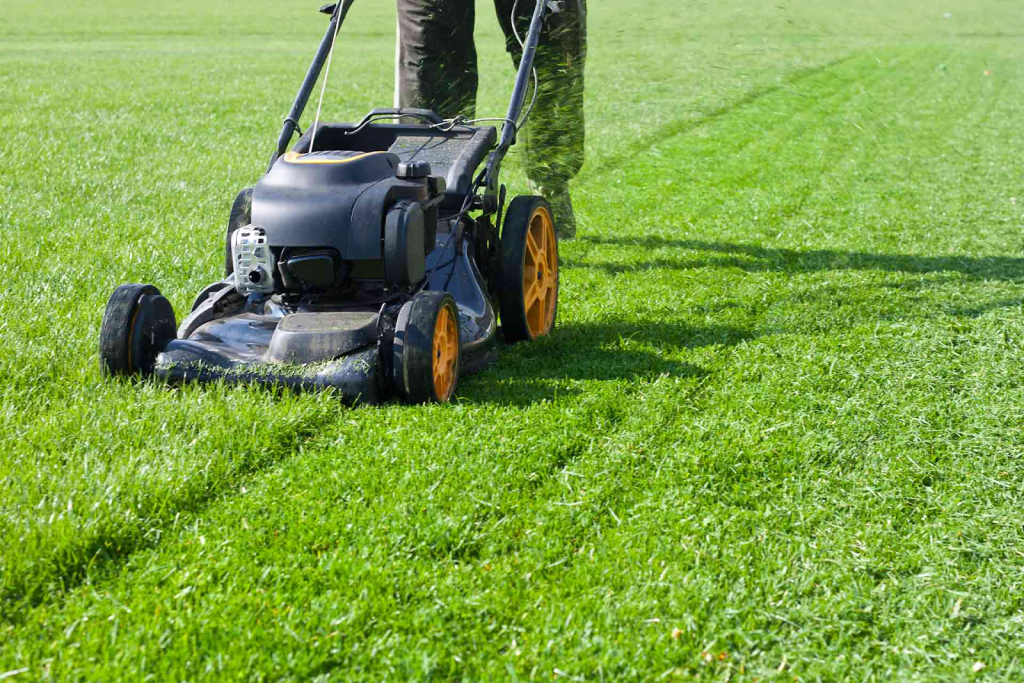
Giving the yard time to grow ensures the upkeep of repaired lawn spots so they blend in with older grass. Staying on top of these lawn recovery care tips makes the difference between a lush yard and one that stays bumpy.
Avoid Common Lawn Repair Mistakes That Slow Recovery
There are a number of common lawn repair mistakes you need to try to avoid. One of the most common mistakes is dumping too much fertilizer on the lawn. This usually ends up burning the tiny new sprouts. Water is helpful, but if you keep the ground soaked constantly, then that may stop oxygen from getting into the soil.
Such lawn recovery problems often result in fungus or rot before the roots even take hold. Another one of those frequent grass seed mistakes is getting a random bag of Kentucky Bluegrass for a shaded corner under a large oak tree.
Know When It’s Time to Call a Lawn Professional
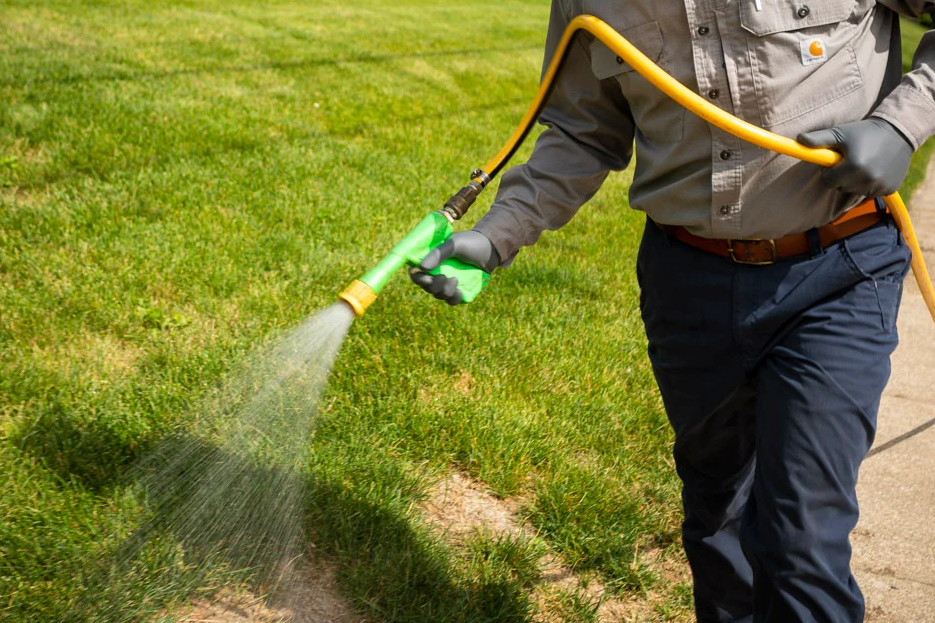
If you’re dealing with persistent bare spots, there’s a chance that your soil is too compacted or that there are hidden pests which are feeding on the roots. Investing in lawn repair expert help offers a great solution that helps remove the stress of trial and error with hardware store products.
Deciding when to hire lawn care service depends on whether the damage keeps returning even after proper watering and mowing. Large areas of dead turf might require the heavy duty equipment used during severe lawn damage repair to fix the foundation.
Expert diagnosis identifies specific molds, so a lawn disease professional treatment stops the rot before it ruins the yard.
Conclusion: Restore Your Lawn One Step at a Time
Most of the time, grass damage is usually caused by poor soil or bad watering habits that you can easily adjust. Using these easy lawn repair tips guarantees that the new blades will have enough space to spread out.
True healthy lawn recovery happens when the maintenance schedule matches the needs of the specific grass type. Spreading mulch or leaf mold is a simple method to repair damaged grass naturally over time. This steady approach will restore lawn health and make the grass resilient against pests or dry spells.
Pick one section of your yard to focus on this weekend and share your results in the comments below!