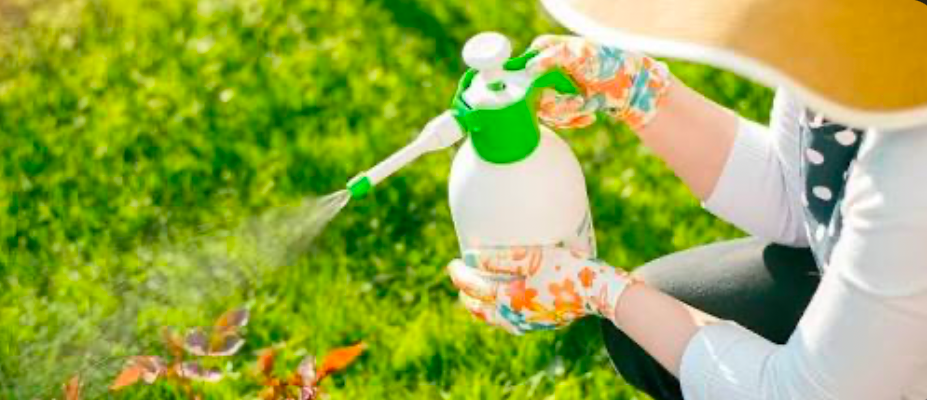
Protecting your garden from pests and diseases is a fundamental part of long-term maintenance, so you need a reliable method, such as organic pest control. It’ll surprise you how powerful a simple homemade insect spray can be and how lasting its effects are for your plants.
With these eco-friendly, chemical-free ingredients, you get many benefits. In this guide, you’ll learn how to create your own pest control, such as using organic, homemade sprays to prevent powdery mildew and neem oil for garden bugs.
To achieve success, creativity and dedication are your best friends, so let’s get crafty.
The Benefits of Chemical-Free Gardening

Relying on eco-friendly garden solutions has many benefits that work as positive ripple effects.
- It replenishes nutrients in the soil deeper than the roots
- It’s safe for all living organisms, including pets and people
- Its effects are long-lasting
- It’s easy to create
With sustainable pest control methods, you improve your soil, plants, pets, and overall environment, making it safe for people in the surrounding area.
For instance, simple organic products meant to protect your plant from rodents can be safe pest remedies for pets. Unlike chemical pesticides, which are fast-acting, work at the surface, run off, and erode the soil over time, following these non-toxic gardening tips doesn’t have negative consequences.
Identifying Common Garden Pests
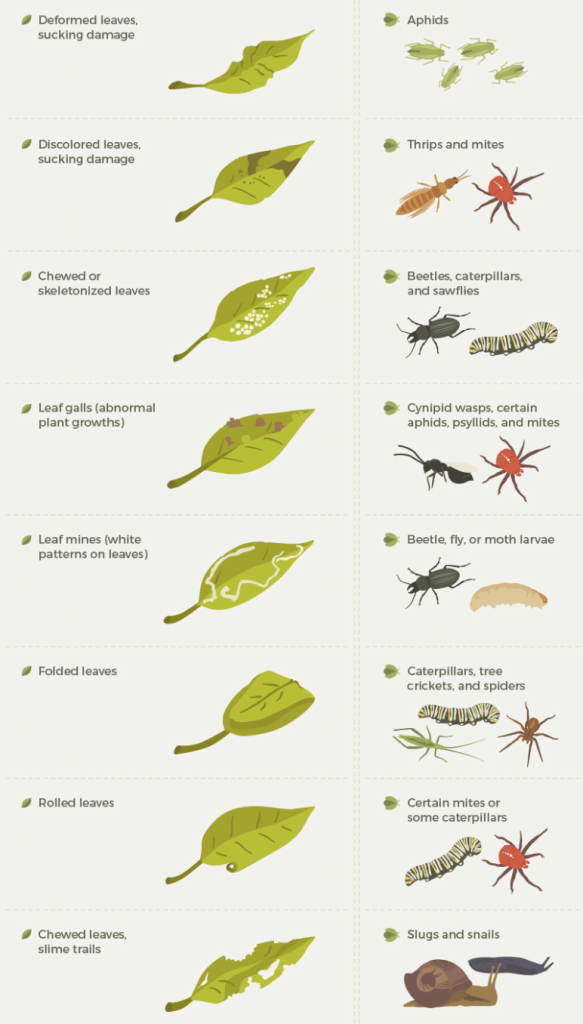
Before you make your natural pest remedies, you must first identify the pests you’re fighting against. So, let’s start with common garden pests, which include Aphids, Beetles, Bugs, Mites, Rodents, Spiders, and Worms.
You can remove some of these bugs with simple, common garden pest solutions, such as spraying and hand removal, while others require advanced techniques, such as companion planting, soil management, and treatments.
Whichever method you choose, your next step is to use garden bug identification tips to monitor patterns and stop infestation before it escalates.
- Inspect your plant with a magnifying glass
- Analyze damage type, such as chewing, piercing, and slime
- Remove the pest for better identification
- Use a search tool to reverse search the insect type, or read a bug identification book
Once you’ve identified the problem, you can move on to eco-safe insect control such as neem oil and homemade sprays.
Using Neem Oil as a Natural Treatment
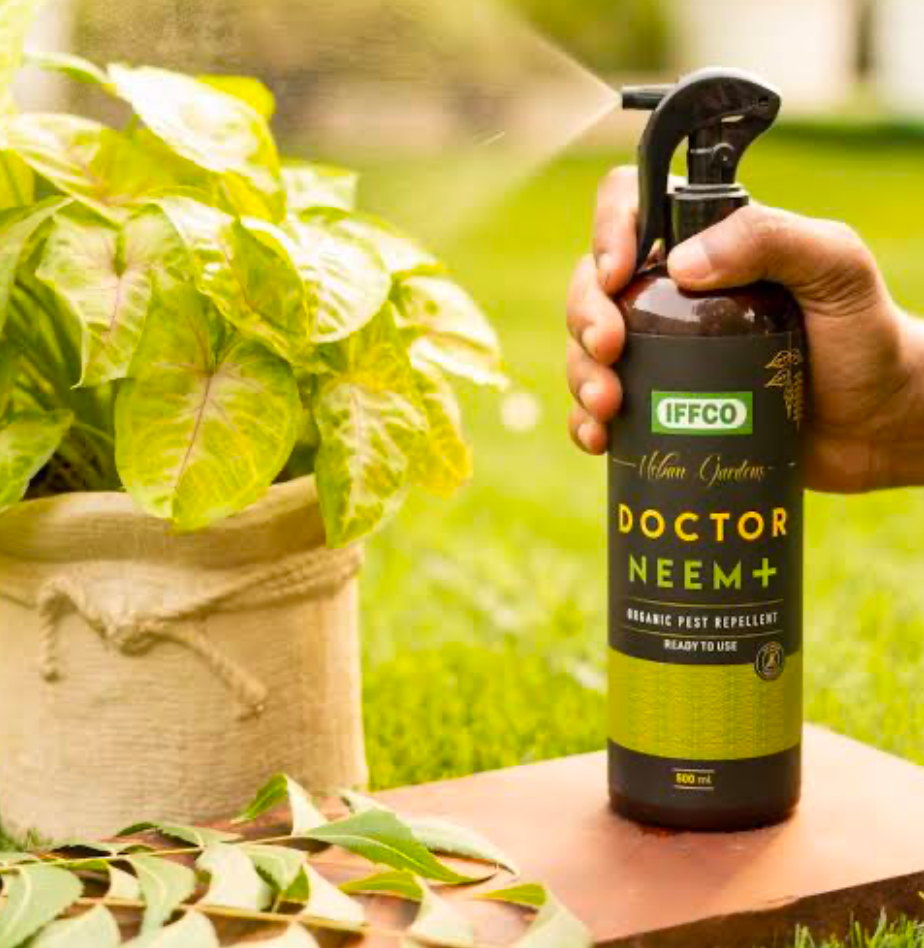
Gardeners use neem oil for garden bugs and insect control because of its properties, which speed up life cycles and stop fungal spore growth. To use this natural plant protection oil, you must first carefully prepare the solution, then apply it safely.
Preparing Neem Oil Treatment
Ingredients: Cold-pressed Neem oil, warm water, and liquid soap.
Mix 1-2 teaspoons of neem oil with 1 L of warm water and one teaspoon of liquid dishwashing soap. Shake the mixture until it’s well mixed in the spray bottle.
Safe Application of Neem Oil Treatment
Before spraying the organic insect repellent, do a patch test. Spray the neem oil treatment on a single leaf and wait at least 48 hours to see the reaction. If it’s positive, then go ahead and apply the treatment to your entire garden.
Use this eco-safe fungicide spray in the early morning or late evening, away from sunlight, and cover the entire leaf surface. Repeat the process once a week to stop an infestation, and once every 3 weeks as a preventive treatment.
DIY Homemade Insect Spray Recipes

You can make a homemade insect spray using simple household recipes such as garlic, soap, and other essential oils.
Ingredients: Garlic bulbs, Liquid dishwashing soap, Vegetable Oil, Essential Oils (lemongrass, rosemary, or peppermint), and water.
Here’s how to make this eco-friendly insect repellent:
- Peel and crush garlic in vegetable oil
- Cover the mixture for 12 hours
- Blend the garlic-vegetable oil mixture with water
- Strain the new mixture until it’s only liquid with no chunks
- Mix the strained liquid with dishwashing liquid soap and your essential oil.
You can adjust this natural bug spray recipe based on the ingredients you have at home. Try other DIY garden spray ideas, like a Cayenne pepper and warm water spray for rodents, a baking soda, liquid soap, and vegetable oil spray as a fungicide, or an Epsom salt and water spray as a bug repellent.
Use the same application method as the neemspray treatment:
Spray test in the first 48 hours, then cover all areas during cool temperatures, and wait 5 to 7 days before the next application.
Preventing Powdery Mildew Naturally
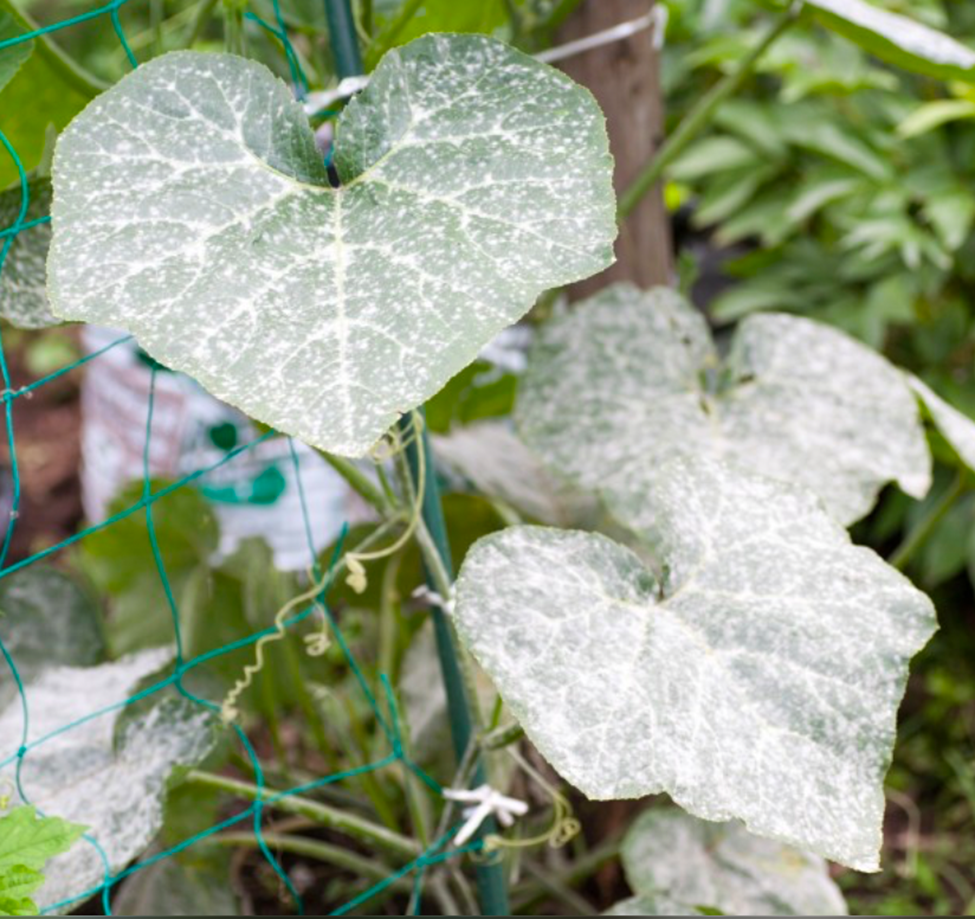
To naturally prevent powdery mildew with chemical-free plant care, you must first understand its cause, which is a lack of circulation. Making organic homemade sprays to prevent powdery mildew is really finding natural ways to improve garden circulation.
You can prevent and treat powdery mildew using natural antifungal treatments such as baking soda, milk, and vinegar-based sprays. Here’s how you can make a DIY mildew prevention spray:
Ingredients: Baking Soda, milk, neem oil, dishwashing liquid soap, and water
- Mix one tablespoon of baking soda with one teaspoon of liquid dishwashing soap and 1 gallon of water.
- Mix ¼ liquid milk with ¾ water, then spray it onto the affected area in the morning, as soon as the sun rises.
- Mix one tablespoon of potassium bicarbonate with ½ teaspoon liquid dishwashing soap and 1 gallon of water.
You can also use the neem oil treatment you made earlier to treat or prevent powdery mildew.
Best Practices for Applying Natural Sprays
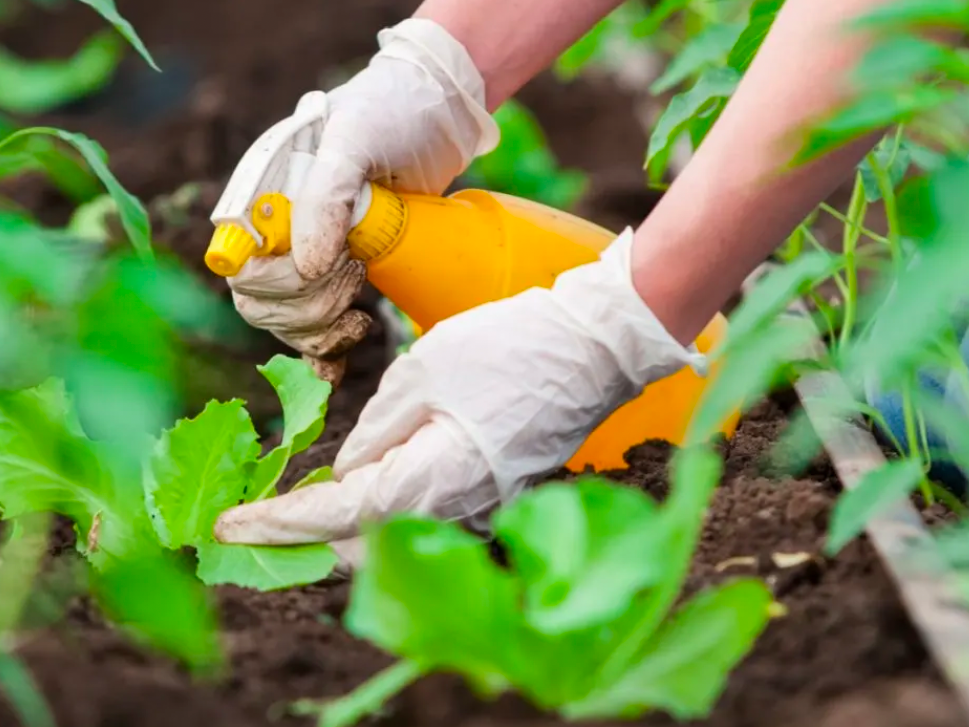
Use eco-safe spraying techniques to ensure optimal timing and activation, moderate application, and to avoid harming pollinators while protecting your plant.
Here are some garden-friendly application tips suitable for all spray types:
- Identify the problem
- Choose the right mixture
- Time the application to avoid direct sunlight, like early mornings and late evenings
- Do a patch test
- Water your plant ahead of time
- Cover the entire leaves or soil
- Monitor results and reapply if necessary after a week
Follow this natural spray routine carefully, because too much of a good thing can be harmful. These safe pest control practices ensure that you don’t harm your plants while trying to protect them.
Combining Sprays with Other Organic Methods
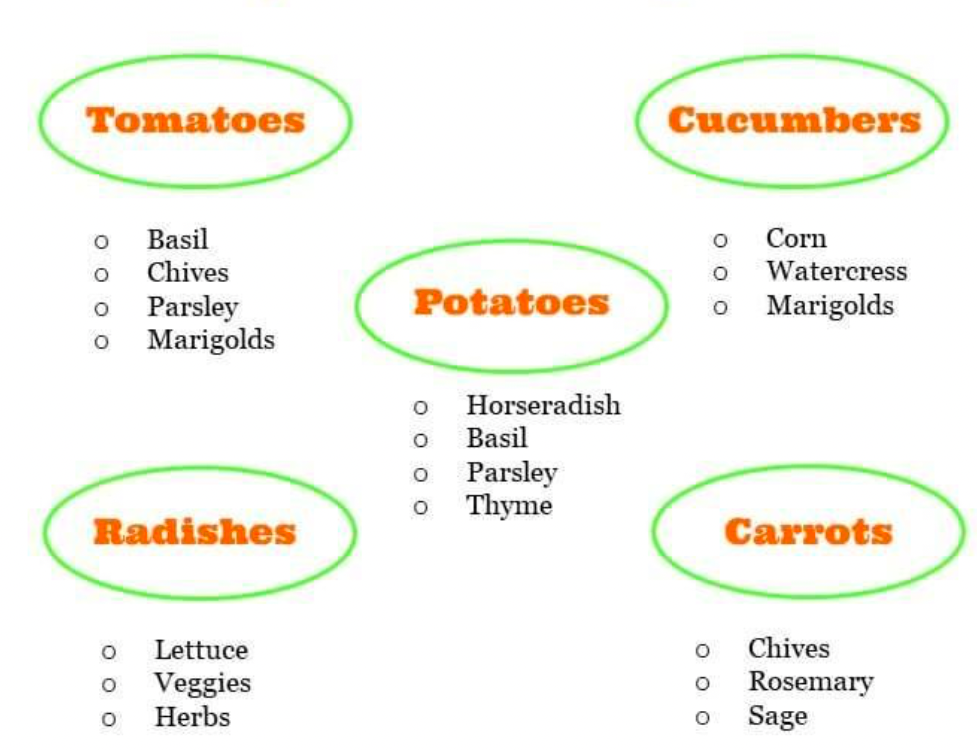
For maximum efficiency, you can combine spraying with other sophisticated integrated organic gardening techniques such as companion planting, mulching, and crop rotation. It’ll ensure longer-term pest control because these techniques strengthen your soil and build disease resistance.
Companion Planting
Companion planting for pest resistance involves pairing symbiotic plants in a single location. So, you can use Basil’s strong scent to repel tomato flies and infuse flavor in the fruits, or the Three-Sisters method of Squash, Beans, and Corn to protect creeper plants from sunburns.
Mulching
Did you know you can also use mulching for pest prevention? Covering the soil with grass clippings creates a barrier that discourages pests from penetrating while replenishing nutrients lost to the soil.
Crop Rotation
Also, you can adopt crop rotation to promote healthy soil, so that each plant choice serves a purpose. Having a variety of plants each season helps prevent pest concentrations in one spot. It disrupts their patterns because no host is waiting to accommodate the pests when they return.
Conclusion: Building a Healthier Garden with Organic Pest Control
Replacing chemicals with organic pest control solutions, such as homemade sprays and natural strategies, helps in safeguarding your garden.
You no longer have to worry about the long-term of your maintenance strategies when you use a sustainable, eco-friendly pest control routine. These easy-to-follow natural garden care tips are cheap to adopt, have ripple effects, and are ultimately safe for your entire ecosystem. Combine organic sprays with other chemical-free gardening practices, such as mulching, crop rotation, and companion planting, for maximum efficiency.