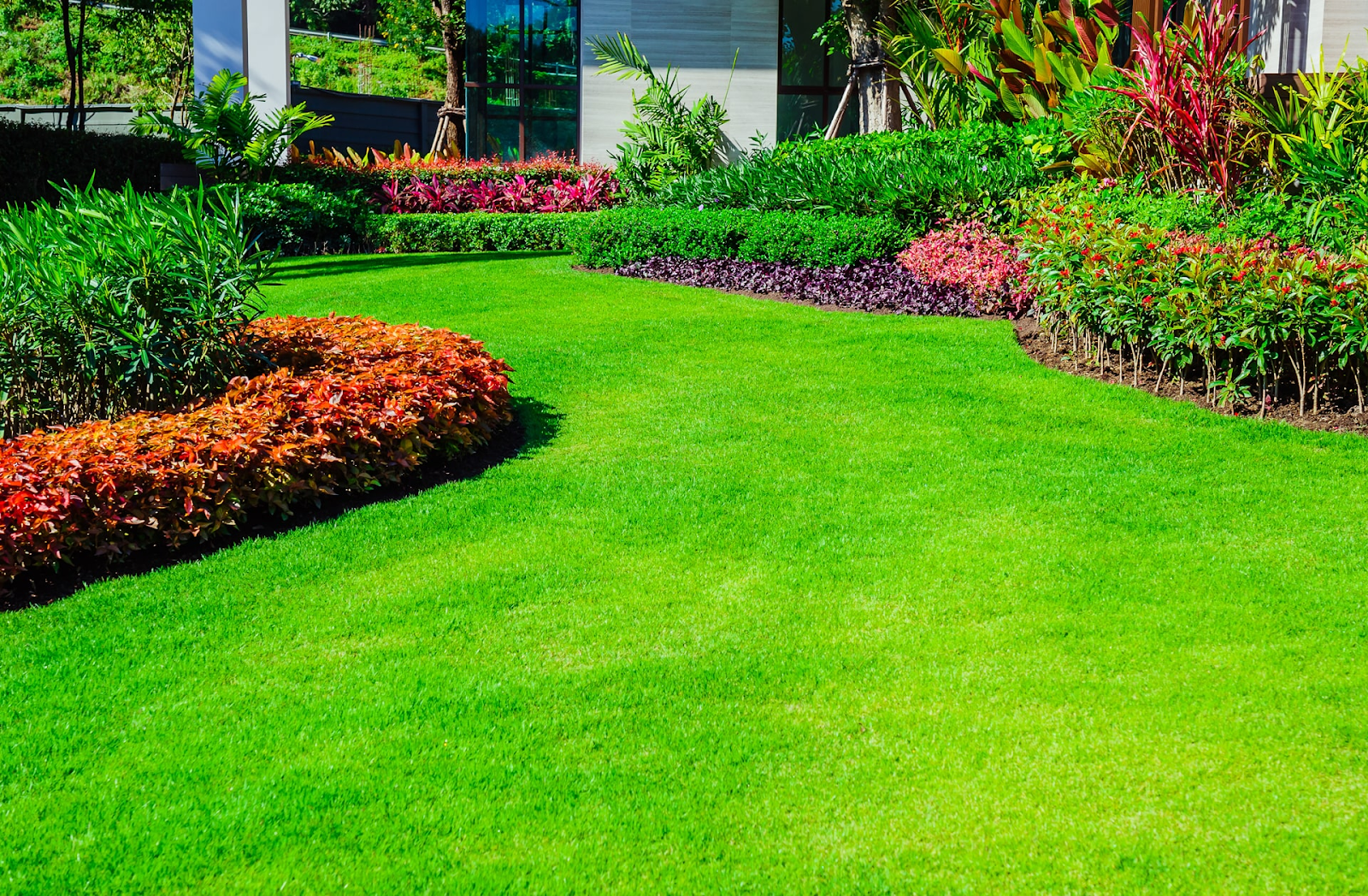
Most lawns eat up a lot of time and money, but there’s a better way to handle your landscaping. This post covers the best eco-friendly grasses and natural ground covers for a yard that stays lush even in dry spells. Discover how simple changes in your choice of turf can lead to a hardier, low-maintenance garden.
Sustainable Lawn Grass Options To Explore
If your goal is to have a beautiful yard, then you have to choose the right lawn option. You can use an environmentally friendly lawn that allows the soil to regain its natural strength and health over time. Low-maintenance lawns are easy to work with and give you more time to chill out on the weekends.
Since these sustainable lawn grass options require far fewer fertilizers, the local groundwater stays much cleaner. A yard filled with eco-friendly lawn grass serves as a hardy outdoor carpet that handles foot traffic while using a fraction of the usual resources.
Why Sustainable Lawn Grass Is a Smarter Choice
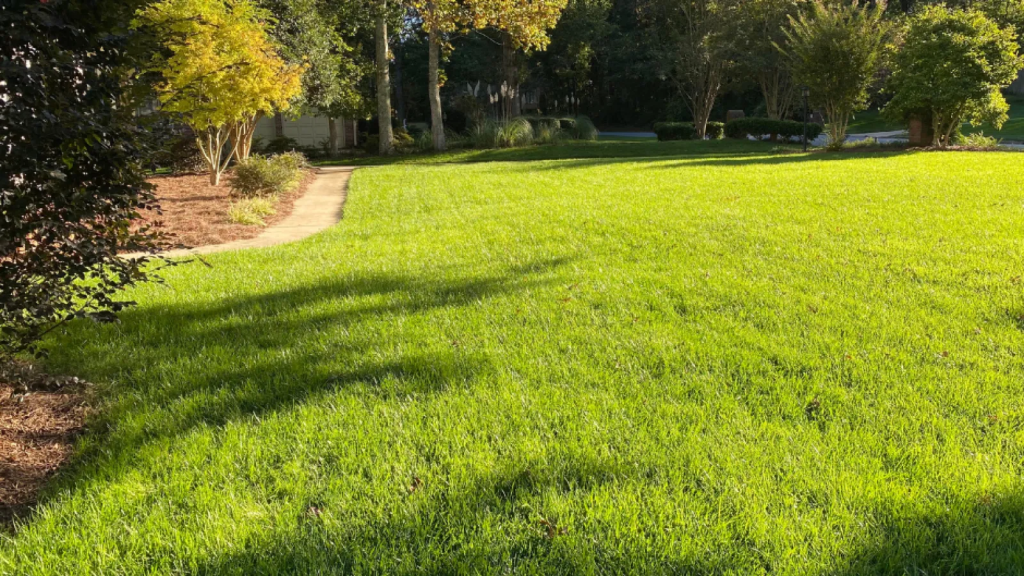
Hardy, eco-friendly turf is a smart choice because it does more than just sitting there and looking pretty. It alters how your ground functions by improving the soil underneath. Adopting these eco-conscious landscaping methods means that you no longer have to dump bags of synthetic growth boosters onto the grass every month.
There are many long-term benefits that come with sustainable lawns. One of the most significant is that they are able to handle heat without needing any expensive interventions. Keep in mind that incorporating regular and sustainable yard practices will make your entire outdoor space feel more fresh and vibrant.
Native Grass Varieties for Eco-Friendly Lawns
There are a variety of options that can help you achieve an eco-friendly lawn. One is Buffalo Grass. It is usually suitable for the local environment because it evolved right in the neighborhood. When you rely on native lawn grasses, you are choosing an option that is less stressful to maintain.
These plants create a biodiversity-friendly lawn by providing food and shelter to helpful insects. Blue Grama is a great alternative that stays low to the ground and remains hardy.
Also, growing prairie grass allows you to build a yard that looks lush but acts tough. These low-water native turfs help to keep the ground covered without needing the sprinkler on every single day.
Drought-Resistant Grass Types to Save Water
Succulent gardens are not the only way to keep your property looking great without a huge water bill. A drought-resistant lawn grass, such as Zoysia grass, offers a dense and durable surface that handles foot traffic with ease. This particular water-saving turfgrass creates a soft outdoor space that stays green with very little help from a sprinkler system.
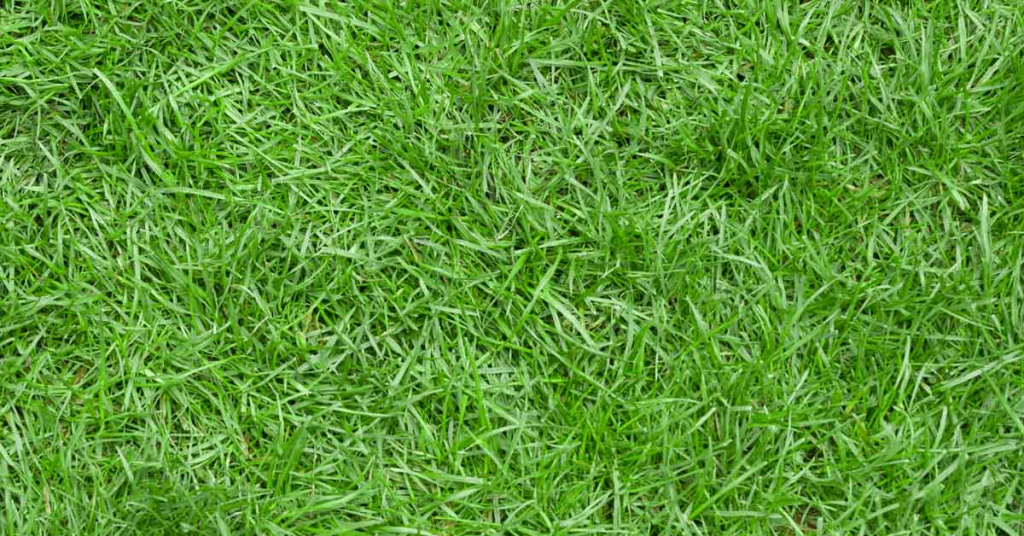
Among the many dry climate lawn options that are available to you, Bermuda grass is a top choice. It has a root system that is built to survive harsh conditions. These heat-tolerant grass types offer the perfect balance of beauty and firmness.
Low-Maintenance Grass Choices for Busy Homeowners
Nobody wants to spend a sunny Saturday afternoon stuck behind a loud lawnmower. That’s why you should select a low-maintenance lawn grass. One of the best grasses that fits this description is Fescue grass, because they grow slowly and don’t need much water. You’ll enjoy having a minimal-mowing grass that stays at a height that is easy to manage for weeks at a time.
It also helps that these plants don’t require constant feeding to look healthy. Also, you can keep your ground covered during hot periods by choosing these resilient grass varieties.
This easy-care turfgrass setup ensures that the yard stays dense and soft without demanding constant attention. Low-maintenance grass is the way to go if you are a 9-to-5er who needs to rest on the weekends.
How to Choose the Right Sustainable Grass
Before going ahead to select a grass type, you first have to take a look at the ground beneath your feet. You should get a soil testing kit and use it to check your soil. This will help determine if the soil lacks the nutrients it needs for growth.
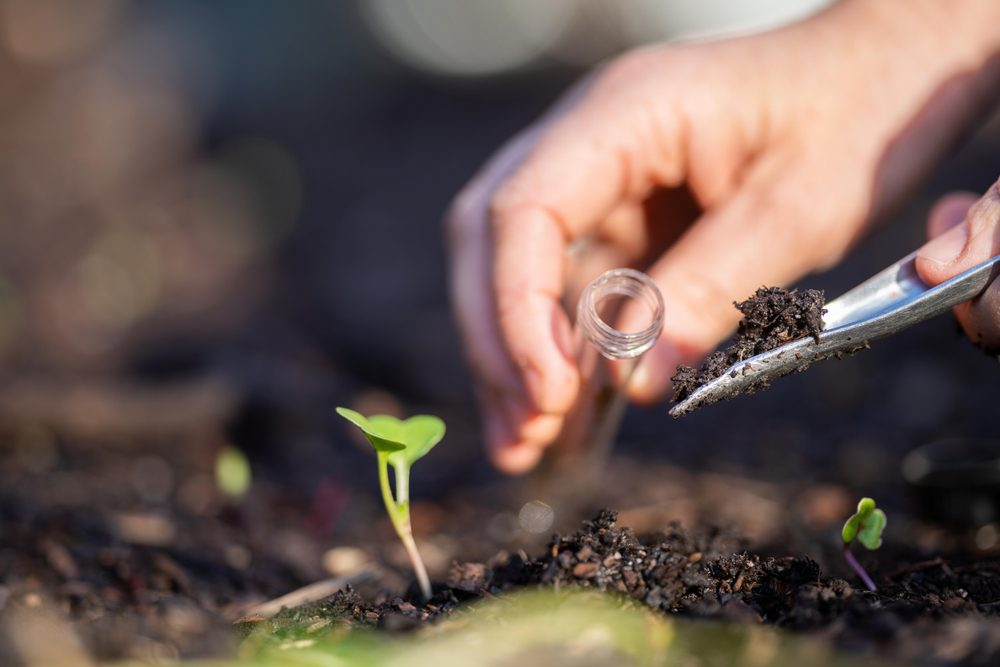
Once the soil is ready, checking for lawn climate suitability ensures that the chosen variety handles local heat or frost.
Trees and fences also change how much light hits the ground throughout the day. And selecting the best lawn grass type depends on how much sun actually reaches the yard. Also, thinking about lawn usage considerations like pets or kids playing tag keeps the grass from turning into a muddy patch and prevents bald spots.
Establishing a Sustainable Lawn Successfully
Watching your new yard come to life is a reward for putting in the work beforehand. Skipping groundwork often leads to weeds taking over before the grass even has a chance to grow. This is why good lawn soil preparation is important to keep the soil fertile and ready for action.
Loosening the earth is also important as it allows oxygen to flow where the plants need it most. Following through with these steps guarantees a sustainable lawn establishment that survives the summer heat.
Seeds also need a thin blanket of soil to stay protected while they grow. Using correct grass seeding techniques ensures no bare patches ruin the view. Consistent moisture is the final piece of the puzzle that helps early growth.
Eco-Friendly Lawn Maintenance Practices
Healthy yards start from the ground up rather than from a spray bottle. Organic lawn care methods help to create a balanced environment where the grass grows thick enough to crowd out unwanted plants. This type of natural weed control lawn strategy reduces the need for harsh toxins that run off into the local water supply.
Another easy trick that keeps moisture in the soil so that it can stay hydrated even during the summer is mulching.
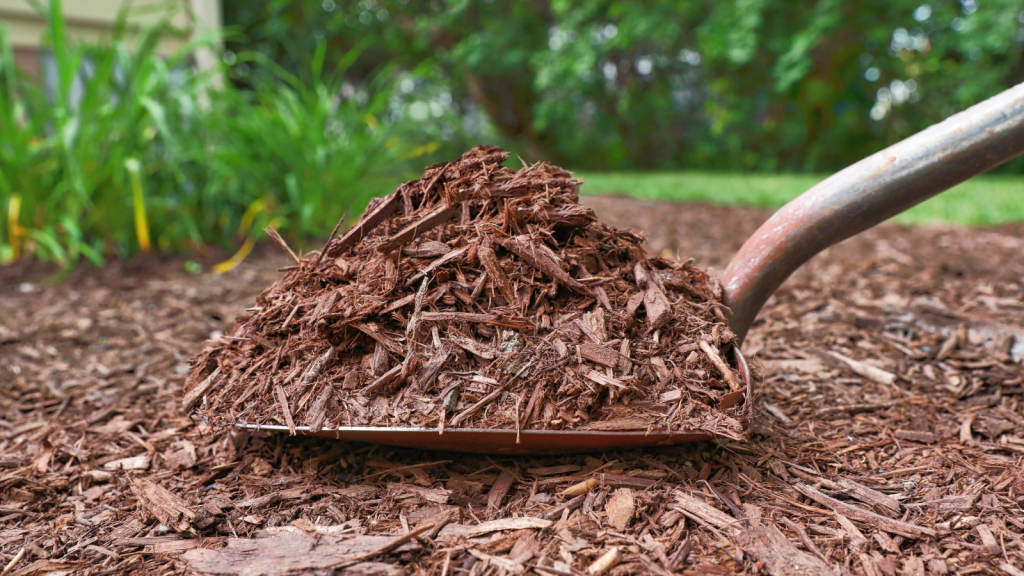
It fits into a routine focused on eco-friendly lawn maintenance by protecting the grass from extreme heat. A healthy lawn not only helps you, it helps the environment.
Environmental Benefits of Sustainable Lawns
Native grasses offer eco-friendly landscaping benefits by keeping the ground rich and full of life. This natural balance prevents dirty water from running off into street drains. A yard with these sustainable grasses offers great lawn biodiversity benefits that keep the local ecosystem balanced.
Tiny visitors, such as honeybees thrive in these lawns which are pollinator-friendly, because they provide plenty of food and shelter. Over time, these thick patches of grass work as carbon-absorbing lawns to help clean the atmosphere.
Choosing the right turf means spending less time on maintenance and more time enjoying a yard that actually gives back to nature.
Common Myths About Sustainable Lawn Grass
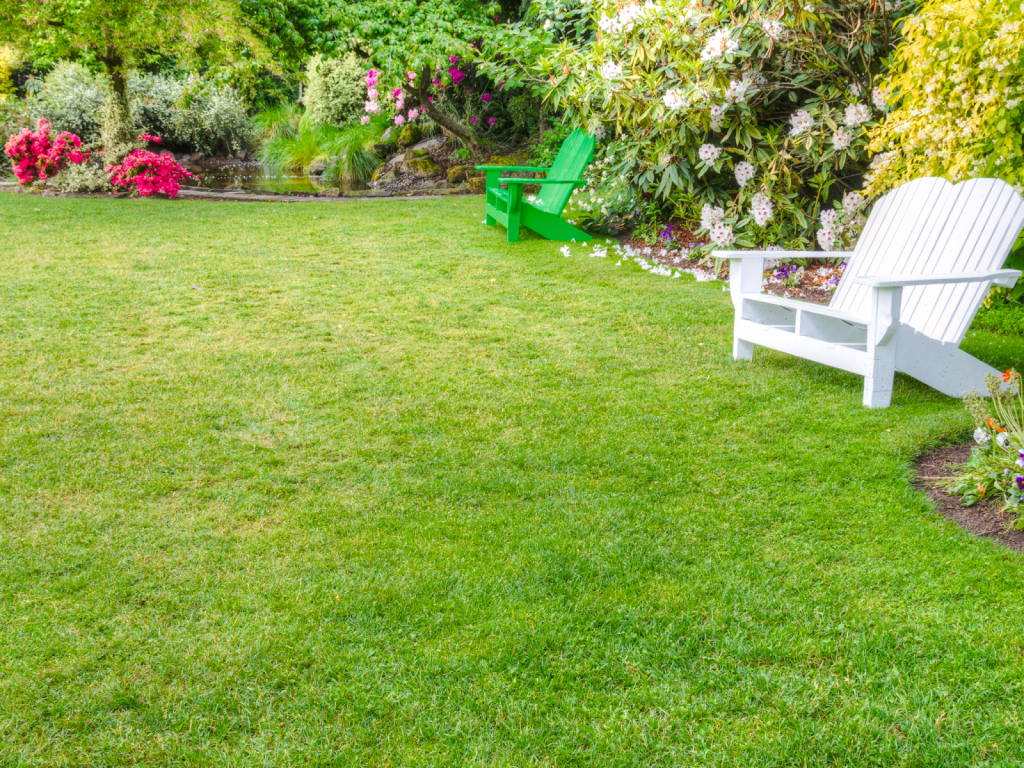
Many people think that switching to an earth-friendly yard involves constant struggle. This idea is one of many sustainable lawn myths that keep neighborhoods stuck with thirsty, high-maintenance grass. In reality, the truth about these eco-lawns is that these hardy varieties do well with very little attention.
Even if the upfront cost of sustainable turf seems like a bigger purchase, it pays for itself by cutting out expensive chemicals. All of these lawn sustainability facts just show that your natural yard can stay healthy without having to do the constant mowing that traditional lawns demand.
Conclusion: Build a Greener Lawn for the Future
Low-maintenance turf options allow for a gorgeous yard that survives the hottest days with very little help. Adopting sustainable lawn landscaping methods reduces the need for expensive sprinklers that run all night long. A solid eco-friendly yard design provides a perfect spot for outdoor hangouts without the worry of chemical runoff.
Working toward a greener lawn future helps to protect the neighborhood’s natural resources for the next generation. Staying committed to an environmentally responsible lawn makes the neighborhood look better while keeping the soil full of life.
Select your favorite sustainable lawn grass, plant it and share the progress in the comments below!