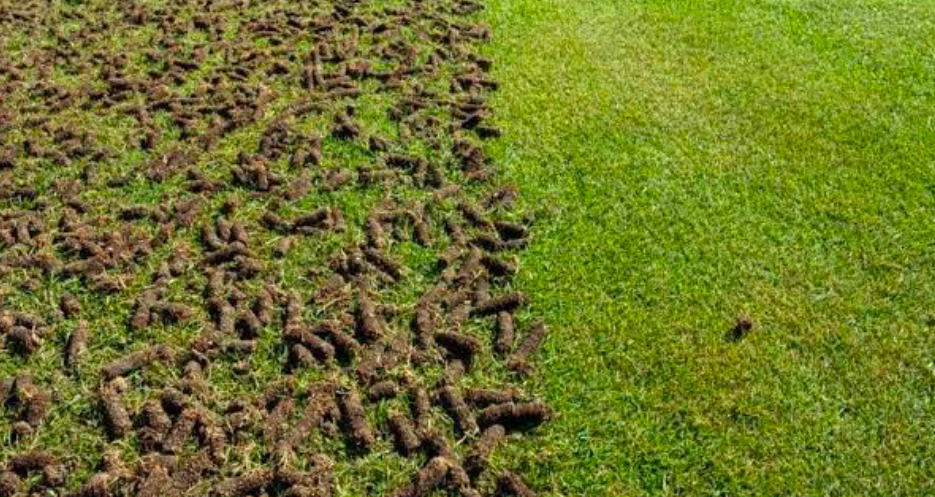
Check out the better ways to improve your lawn’s health by strengthening soil structure, boosting nutrient absorption, and ensuring resilient grass roots through innovative aeration practices.
Using A Lawn Aerator For Best Results
Have you ever considered using lawn aeration techniques to create a healthier, greener lawn? That’s right. Lawn aeration is a reliable DIY lawn improvement practice due to its multiple benefits.
Loosening soil compaction through aeration improves airflow, boosts nutrient absorption, strengthens roots, and builds resilience for healthier grass growth.
If this is your first time learning about these methods, you’re in the right place. This guide details quick ways to improve your soil’s health using aerators, starting with an explanation of how they work.
Understanding How Lawn Aeration Works
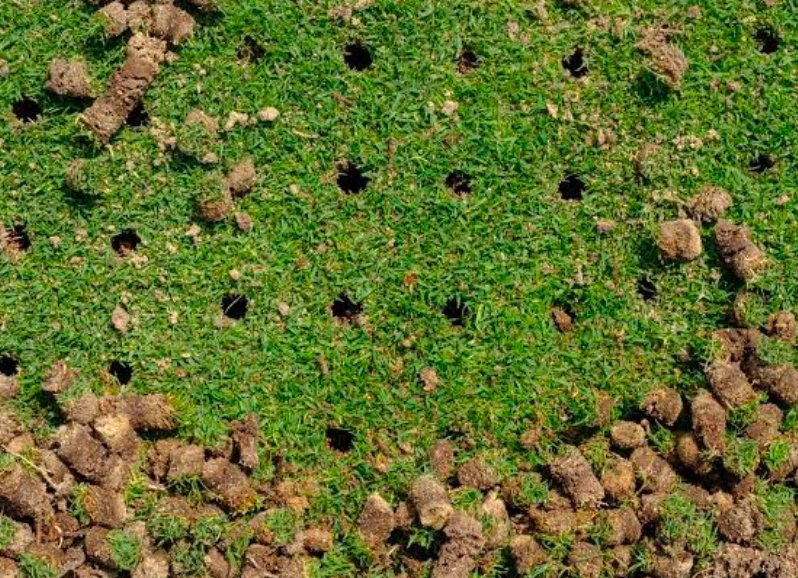
Aerators are gardening tools that bring soil compaction relief by breaking clumps into smaller pieces. This breakage benefits the soil in multiple ways, such as allowing better root oxygen access for stronger growth that’ll survive trampling and traffic, and improved water penetration, which keeps the lawn moisturized and allows better nutrient movement in the soil.
With better access to air and moisture, your lawn builds resilience that lasts longer than other quick fixes.
Choosing the Best Aerator for Your Yard
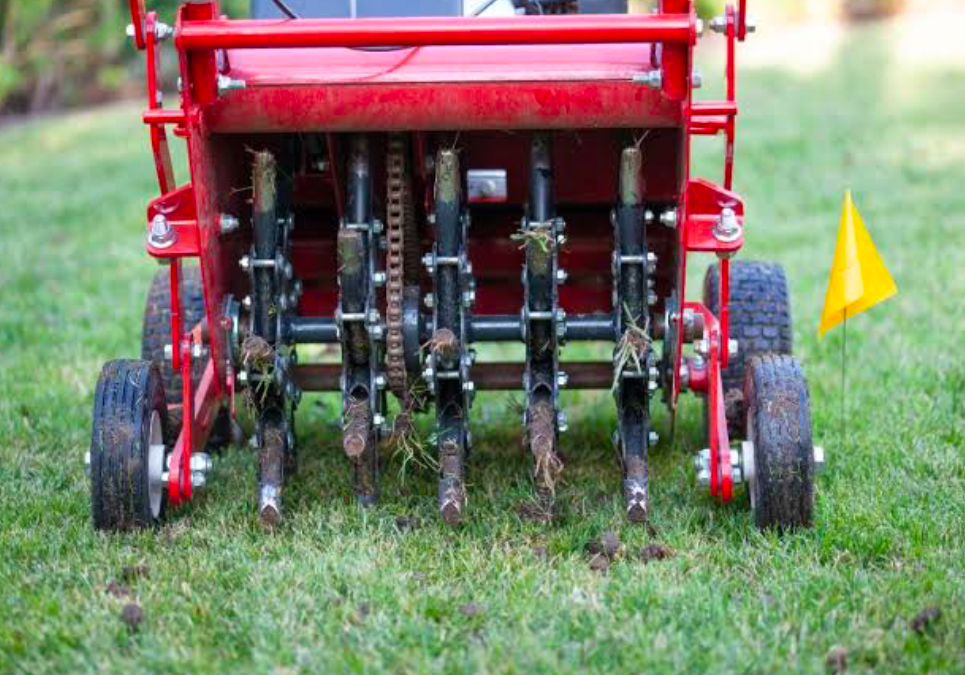
To choose the best aerator for your yard, like with any lawn tool selection, you must first understand each type and its capacity. You can either get a spike or a core aerator, depending on your lawn size.
Spike aerators are tools with spiked tips that work by poking holes, while Core Aerators are tools that plug holes as a compact soil solution. Both types can be manual or powered.
Use this quick aeration equipment guide to pick what’s right for you.
- Manual Spike Aerators: Simple foot-powered tools with hollow tines, and great for small lawns.
- Spike Shoes: Fun, but only useful for light maintenance. Don’t expect deep penetration.
- Manual Core Aerators: These handheld tools remove small soil plugs and are ideal for targeted aeration in compacted or high-traffic areas.
- Rolling Lawn Coring Aerator: With a drum-style design and hollow tines, this tool covers more ground efficiently while still being manageable for DIY use.
- Tow Behind Core Aerator: Designed to attach to a lawn tractor, it’s perfect for covering large properties and delivering deep, even core removal with minimal effort.
- Gas-Powered Aerators: The go-to tool for serious jobs. Best for large lawns and compact soil.
Spike vs Core Aerators
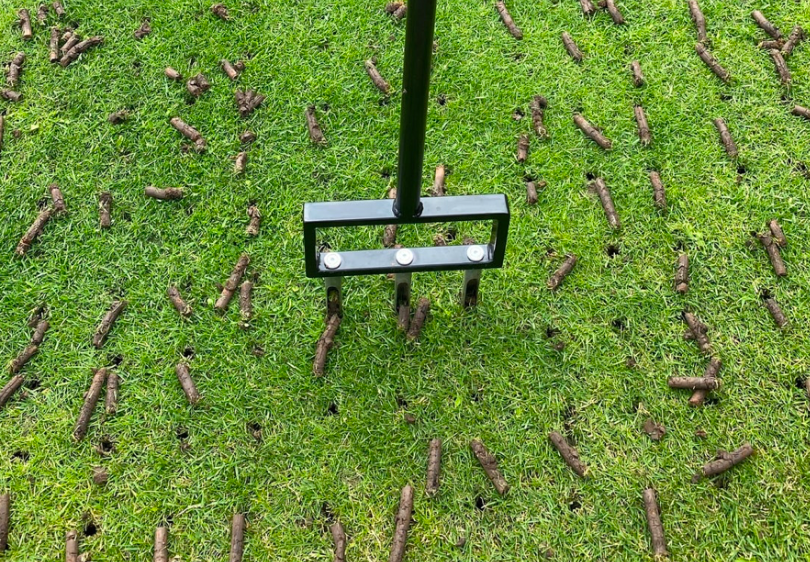
To make the right yard equipment choice, here’s a comparison of both aerators.
| Spike Aerators | Core Aerators |
| – Pokes holes in the soil – Suitable for small lawns with mild compaction, like loose sandy soil – Short-term effects | – Plugs holes by pulling clumps of soil – Suitable for large lawns with heavy compaction, like clay soil – Long-term effects |
Evaluate your yard conditions before choosing an aerator tool, and once you do, prepare your soil for the task.
Author’s Note: Check out our post Aerating Your Lawn With A Core Aerator for more details on using core aeration to improve your lawn’s health.
Preparing Your Lawn for Successful Aeration
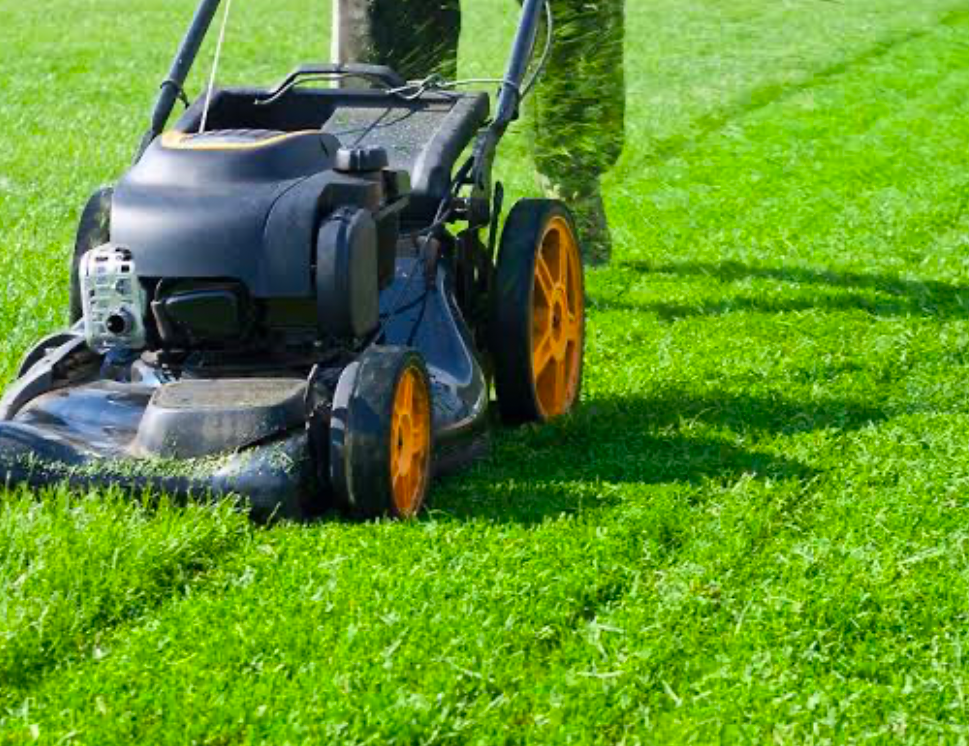
If you want your aeration techniques to work effectively, you must first follow these lawn prep steps.
Map Your Lawn
Map out the area you want to aerate for a smooth operation and safe yard setup. Highlight obstacles and remove debris before getting to work.
Mow Your Lawn
Mowing before aerating is necessary because it allows for better access to the soil. Clear the grass of debris, then mow it to about 1 inch above ground.
Water Your Lawn
Next up is pre-aeration watering, which is different from the regular schedule. Here, you only want to moisten the soil for better access to the aeration tool, so aim for a one-inch depth. Now that your lawn is ready, let’s get to work.
Step-by-Step Aeration Method for Even Coverage
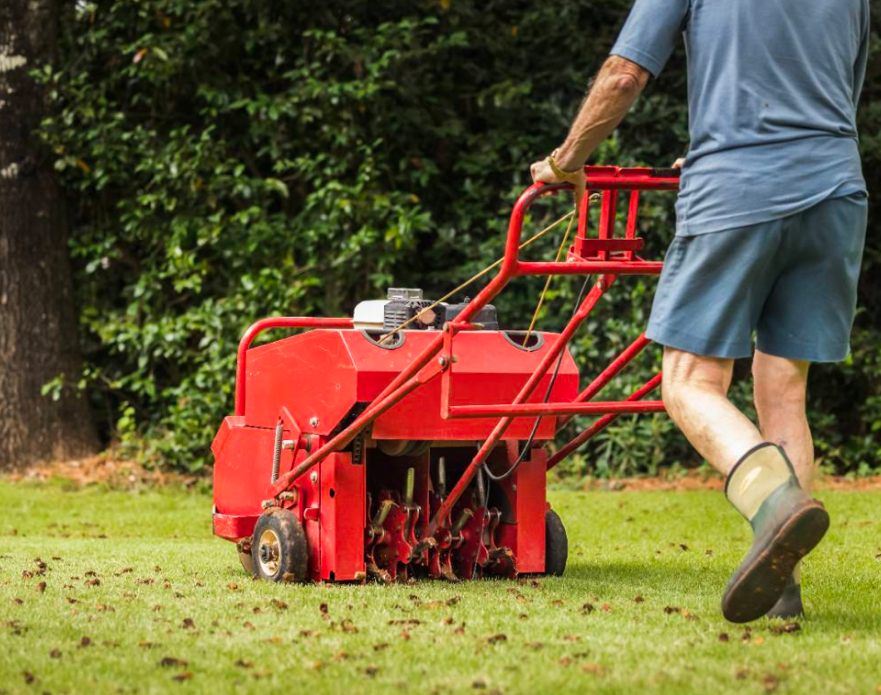
Here you’ll learn some aeration coverage tips to ensure even coverage, proper depth control, and an effective lawn pass pattern.
You need guidance on operating the aerator with overlapping passes and on maintaining consistent depth through control.
Author’s Note: Check out our post How To Aerate Your Lawn Properly for a comprehensive guide to lawn aeration in addition to the following steps.
Step One: Set up the Equipment
Prep your equipment by setting your tines or spikes to a depth of 2 to 3 inches. This aerator depth control ensures you don’t go overboard with your lawn care routine.
Step Two: Start your First Pass
For even soil perforation, move in parallel lines from one end of your lawn to another.
Step Three: Make the Second Cross Pass
Make a cross-pattern aeration pass by moving across the area of your first pass for improved soil penetration on the second pass.
Step Four: Leave Soil Plug
Leave the plugged soil on the lawn if you used a core aerator. It’ll decompose, break down, and return beneficial nutrients to the soil.
Caring for Your Lawn After Aeration
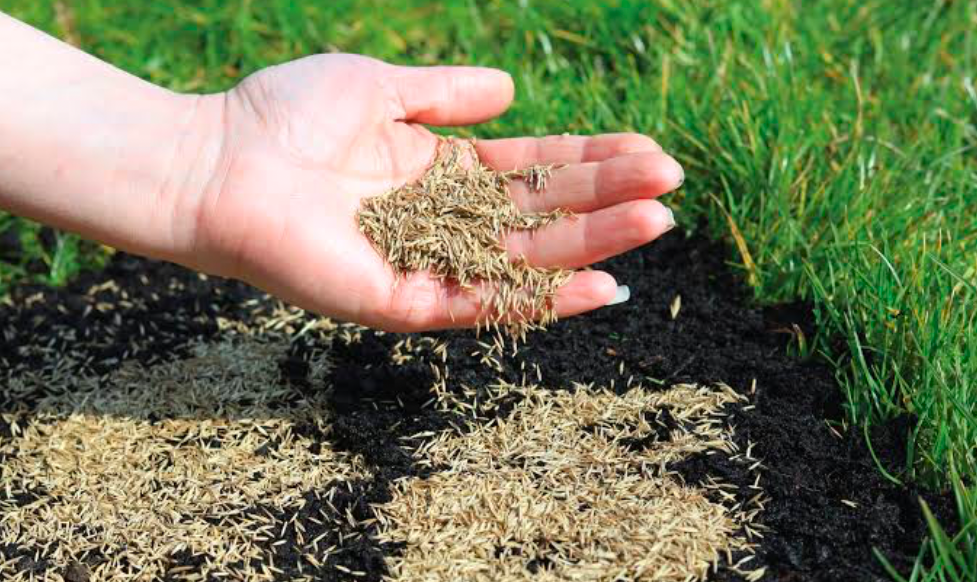
After aerating your lawn, it’s time to move to aftercare, starting with post-aeration watering and fertilization, then overseeding to strengthen root development. Now that you have open soil channels, you can maximize the aeration effects with these root-strengthening care techniques.
Post-Aeration Watering
The soil must remain moist for the next 2 to 3 weeks after aeration; resume your regular watering schedule and maintain a depth of 2 to 3 inches.
Lawn Fertilization
Follow a strict lawn fertilizing timing schedule and feed your aerated soil with a starter fertilizer.
Overseeding the Lawn
Spread grass seed over the moistened, fertilized soil for better contact with the soil.
Overseeding benefits include:
- Thicker and greener grass that crowds out weeds
- New growth in patched areas
- Stronger root systems for pest resilience
- Boosts overall health.
Avoiding Common Aeration Mistakes
You can ensure lawn damage prevention by avoiding common aeration mistakes with these strategies.
Soil Moisture Issues
Avoid soil moisture issues like dryness and soggy soil by following a strict watering schedule based on the aeration stage, whether pre- or post.
Poor Timing
Use seasonal aeration timing to maximize results. Note your grass type so that you can know the best time to aerate the soil. For cool grasses like fescue and Kentucky bluegrass, spring-early fall is best, while warm-season grasses like Zoysia and Bermuda thrive in late spring-early summer.
Wrong Frequency
Finally, use an aeration frequency guide based on soil type, grass type, and traffic to avoid worsening compaction.
As a general rule, clay soils with heavy traffic need yearly aeration, while sandy soils with little traffic can wait 2 to 3 years between schedules before new perforations.
Benefits of Routine Aeration for Lawn Health
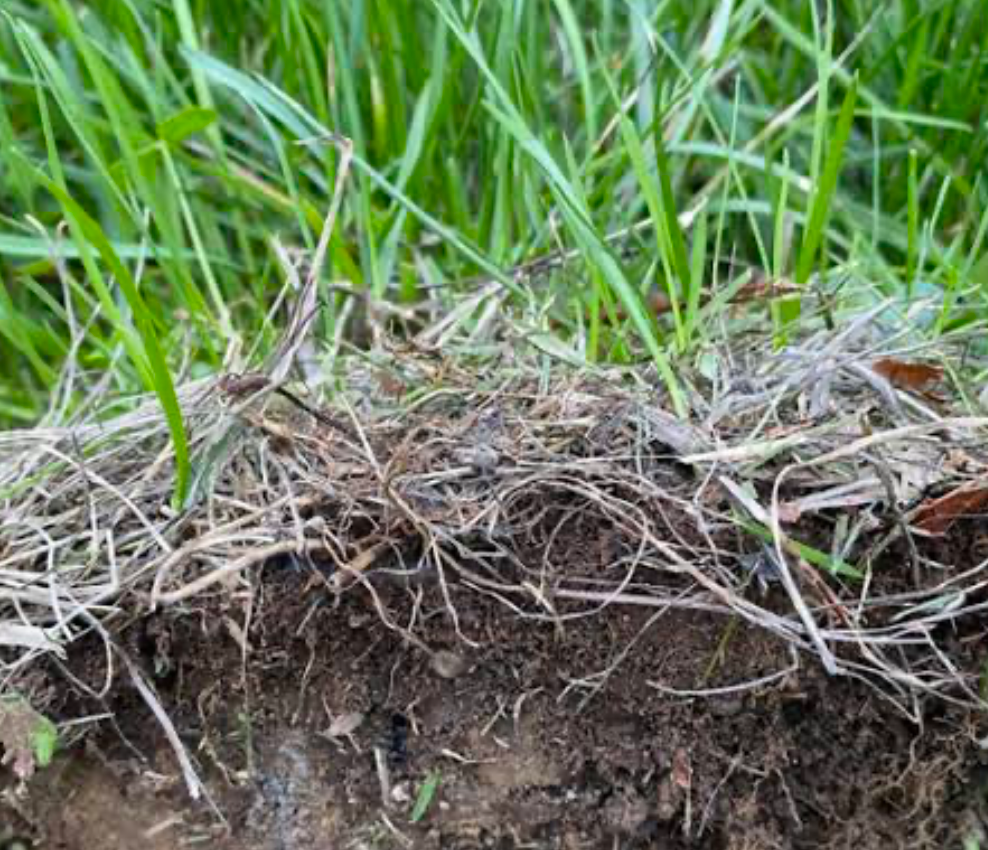
Routine aeration at the right time builds deeper root systems, improves drought resistance through improved drainage, and reduces thatching. Here’s a closer look at these long-term improvements:
Reduced Thatch Buildup
Because you mow your lawn before aeration, you break down dead grass and organic matter, allowing nutrients to sink into the soil.
Deeper Root Systems
Aeration improves nutrient absorption, strengthens root systems, and helps keep your grass from ripping out the soil at the slightest traffic.
Drought Tolerance
Aeration builds drought tolerance in your lawn because there’s less water runoff, less erosion, and more surface area to absorb moisture and keep the soil hydrated during dry seasons or spells.
Improved Drainage
Another benefit of reduced water runoff is improved drainage, so your lawn doesn’t suffer from sogginess or waterlogging during rainy seasons or when you water it.
Author’s Note: Check out our post Expert Lawn Aeration Techniques for a Healthier, Greener Yard which details advanced aeration concepts.
Conclusion: Unlocking a Healthier, Greener Lawn
To achieve long-term lawn success through aeration, follow the steps outlined in this guide. Start by studying how an aerator works, then assessing your grass’s needs to curate a suitable lawn care routine.
Don’t skip any step if you want greener yard results. Start with pre-aeration preparation, then aerate the lawn with the right tools based on compaction type, and finish with a proper post-aeration after-care routine.
Remember that timing is the final key to sustainable grass growth, so follow the right seasonal schedule and repeat the process annually or biannually, depending on your soil type.