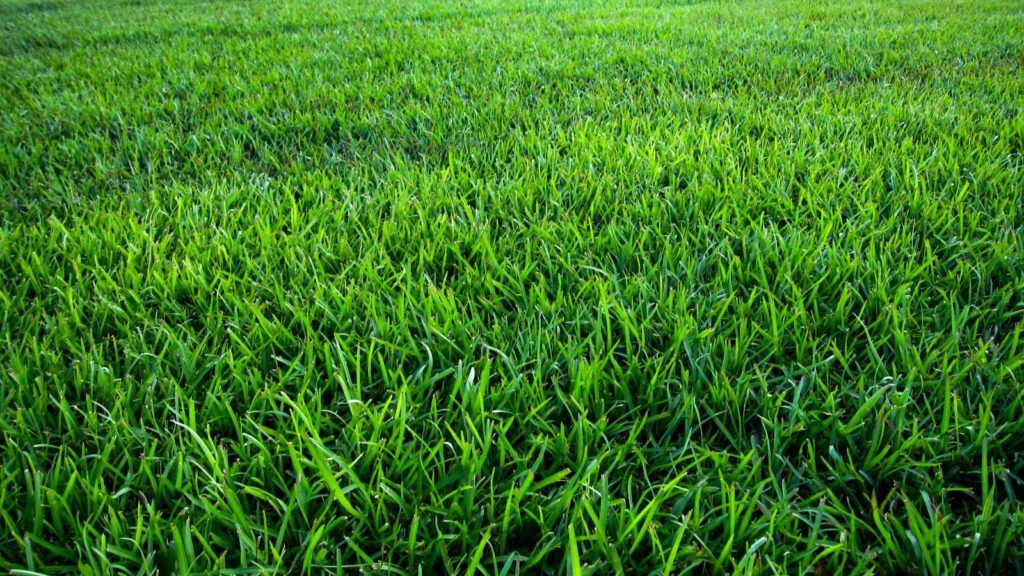
When the sun feels stronger, the days stretch longer, and your slippers almost melt on the patio, that is when warm-season grass truly shines. These grasses love heat. They wake up fully when temperatures rise and grow their best during late spring and summer. While other grasses struggle in extreme sunshine, warm-season lawn grasses thrive, turning yards into lush green spaces even in intense climates.
If you live in an area where summers are long and hot, choosing the right grass types for hot climates makes all the difference. The right lawn does more than look good. It handles foot traffic, survives dry spells, and keeps your outdoor space inviting. Many homeowners searching for the best grass for summer lawns are really looking for durability, water efficiency, and beauty all in one package. Warm season options deliver exactly that.
They grow actively when the weather is hot, then slow down and go dormant during cooler months. That natural cycle helps conserve energy and water. Instead of fighting the climate, these grasses work with it.
Key Characteristics Of Warm Season grasses

Understanding warm-season grass characteristics helps you know why they perform so well in heat.
• They grow most actively when temperatures are between warm spring days and peak summer heat
• They develop deep roots that reach moisture far below the surface
• They naturally slow down in cooler months, turning brown but staying alive
• They recover quickly when warmth returns
One major advantage is their identity as heat tolerant grass. While some lawns burn under harsh sunlight, warm-season varieties keep growing confidently.
Another strength is drought-resistant lawn grass. Because of deep root systems, they can survive longer periods without frequent watering. That does not mean they never need water, but they use it more efficiently.
During peak summer grass growth, you may notice faster spreading and thick coverage. This is when mowing and care routines become especially important.
Popular Warm-Season Grass Varieties
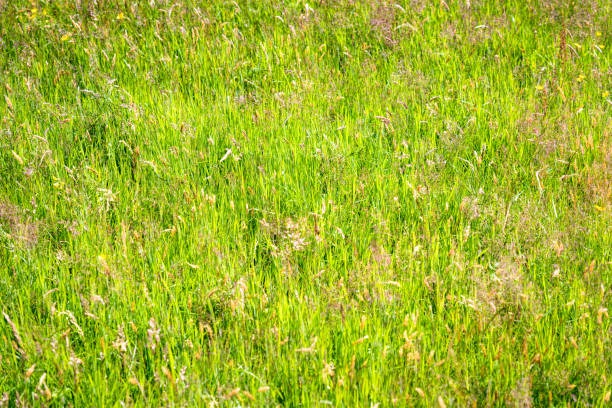
There are many warm-season grass varieties, and each has its own personality. When exploring the different types of warm-season grass, it helps to think about how you use your yard.
Some lawns host children playing football. Others are peaceful garden spaces with light foot traffic. Some sit near beaches with sandy soil. The best warm climate grasses for one home may not work for another.
Consider these factors when reviewing your lawn grass options:
• Amount of sunlight your yard receives
• Soil type and drainage
• Foot traffic level
• Maintenance time you can commit
Let us look at the most common choices
Bermuda Grass

A Bermuda grass lawn is often the first choice for active families. It grows quickly and forms a tough, resilient surface.
This grass handles heavy activity beautifully, making it excellent grass for high-traffic lawns. Children, pets, and gatherings will not easily damage it.
It thrives in bright sunlight and belongs among the strongest full sun grass types. Shade is not its friend, so open sunny yards suit it best.
For good Bermuda grass care, remember:
• Mow regularly during active growth
• Water deeply but not too often
• Fertilize during peak growing months
• Keep weeds under control early
With proper attention, it creates a strong, athletic-looking turf.
Zoysia Grass
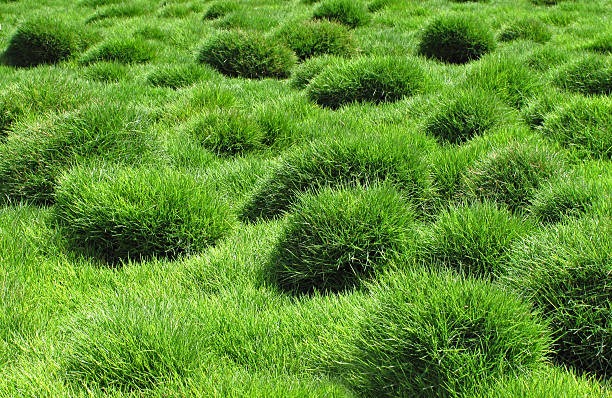
A Zoysia grass lawn feels like a soft carpet under your feet. It grows thick and dense, creating a beautiful surface that crowds out many weeds.
This grass is known as a reliable, drought-tolerant grass. It handles heat and limited rainfall quite well once established.
Its tight growth pattern makes it a classic dense turf grass, giving lawns a refined appearance.
For effective Zoysia grass care, consider:
• Mowing at the recommended height to maintain density
• Allowing moderate sunlight exposure
• Being patient during establishment since it spreads steadily
Zoysia can tolerate some shade, making it slightly more flexible than Bermuda.
St. Augustine Grass
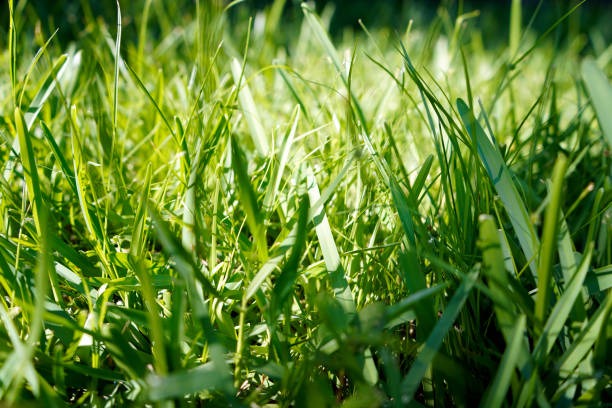
St Augustine grass is especially popular in warmer coastal regions. It features wide blades that give lawns a bold, tropical look.
It performs well as grass for coastal lawns, especially where sandy soil and salt exposure are common.
Homeowners appreciate it as a reliable, shade-tolerant warm-season grass that handles partial shade better than many other options.
Because it adapts well to loose soils, it is often chosen as sandy soil grass.
Keep in mind:
• It prefers consistent moisture
• It benefits from balanced fertilization
• Good airflow reduces disease risks
With the right environment, it produces thick, attractive coverage.
Buffalo Grass
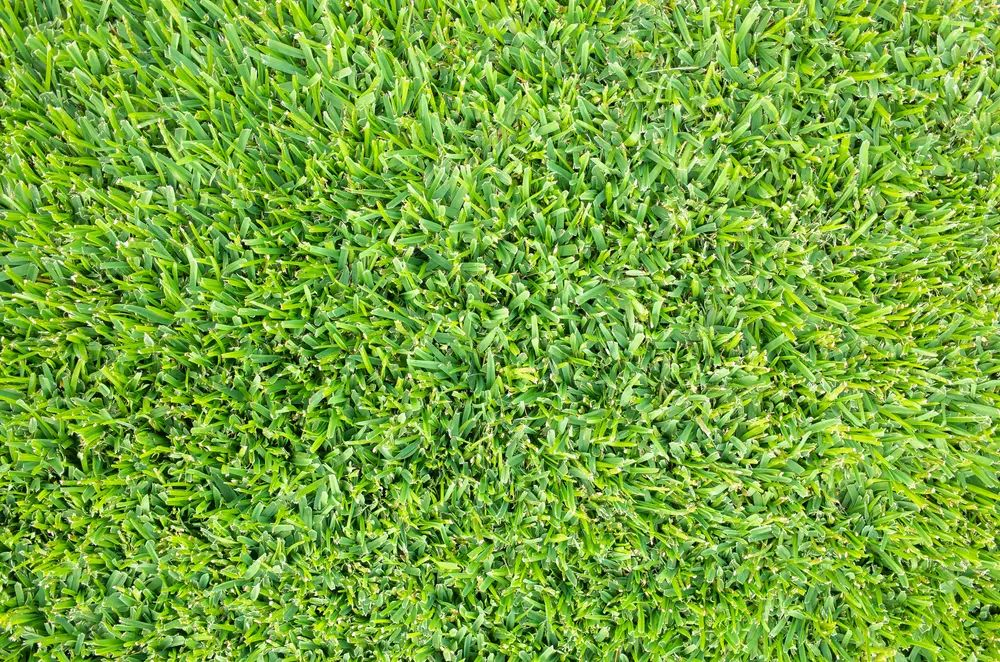
A buffalo grass lawn is ideal for those who prefer simplicity. It is known as a low-maintenance grass because it requires less mowing and watering than many other varieties.
As a native warm-season grass, it has adapted naturally to hot, dry conditions.
It is also valued as a water-saving lawn grass, making it a smart option in areas facing water restrictions.
Buffalo grass works best in:
• Open sunny spaces
• Low traffic yards
• Eco-friendly landscapes
It may not tolerate heavy use, but for relaxed lawns, it performs beautifully.
Benefits Of Choosing Warm-Season Grasses
The benefits of warm-season grass are especially noticeable in hot climates.
• Strong heat tolerance
• Efficient water use
• Durable surfaces for active households
• Lower long-term stress in hot summers
Many varieties qualify as low-water lawn grass, helping homeowners manage water bills wisely.
They are often considered durable lawn grass due to their ability to recover from wear.
When summer temperatures rise, having reliable summer lawn grass means your yard stays greener while others fade.
Ideal Climate Conditions for Warm-Season Grasses
The best climate for warm-season grass includes long summers and mild winters. These grasses perform best where heat dominates the growing season.
They are classic hot-weather lawn grasses, thriving in regions with consistent sunshine.
Most varieties grow best in specific USDA zones and warm-season grass ranges, generally in southern and transitional regions.
Because of this, they are commonly referred to as southern lawn grass, although some can adapt slightly beyond those areas.
Temperature consistency plays a major role in their success.
Best Soil Types For WWarm-SeasonLawn Grasses
The best soil for warm-season grass is well-draining and rich in nutrients. Good soil supports strong root growth. Properlawn soil preparation makes establishment easier and healthier.
Some varieties adapt well to sandy soil, which is why they are considered suitable for sandy soil. Healthylawn soil drainage prevents standing water that can lead to disease.
Before planting, consider:
• Testing soil for nutrient levels
• Improving texture with organic matter
• Ensuring proper grading for water flow
Healthy soil equals healthy grass.
Maintenance Tips for Warm-Season Lawn Grasses
Effective warm-season lawn maintenance keeps your yard thick and vibrant.
Simple grass care tips include:
• Mowing at proper heights
• Watering deeply but wisely
• Feeding during active growth
• Monitoring for pests
Strong summer lawn care routines prevent stress during peak heat. A consistent lawn care routine reduces surprises and keeps your lawn looking its best.
Mowing Guidelines For Warm-Season Grasses

Properly mowing warm-season grass improves its strength and appearance.
Maintaining the correct lawn mowing height protects roots from excessive heat exposure.
Helpful grass cutting tips:
• Use sharp blades
• Avoid cutting more than one-third of the blade length
• Adjust height based on variety
Practicing healthy lawn mowing encourages thicker growth and reduces weeds.
Watering Recommendations For Warm-Season Lawns
Correct watering of warm-season grass supports deep roots. Many homeowners ask how often to water the
lawn during the summer. The answer depends on soil and climate, but deep watering is usually better than frequent light watering.
A deep watering lawn approach encourages roots to grow downward. Proper summer lawn watering is best done early in the morning to reduce evaporation.
Watch for signs of drought stress, such as folded blades or dull color.
Fertilization Practices for Warm-Season Grasses
When fertilizing warm-season grasses, timing makes all the difference because these grasses thrive in heat and grow most actively from late spring through summer. Feeding them during this active phase allows nutrients to be absorbed efficiently, strengthening roots, improving blade density, and enhancing overall resilience.
Applying fertilizer during dormancy, on the other hand, wastes nutrients and may even stress the lawn. Following a clear lawn fertilizer schedule helps you avoid guesswork, reduce the risk of nutrient burn, and maintain steady, healthy growth throughout the season. Choosing a balanced summer lawn fertilizer with the right ratio of nitrogen, phosphorus, and potassium encourages a rich green color while supporting root development and drought tolerance
Avoid excessive fertilizer since it can lead to disease and weak growth. Good soil nutrient management begins with testing, ensuring you add only what your lawn truly needs.
Common Pests and Diseases in Warm-Season Lawns

Even healthy lawns face challenges from warm-season lawn pests. Common lawn grass diseases may appear during humid conditions.
Watch for grub damage to lawn signs, such as patches that lift easily from soil. Another issue is brown patch disease, which creates circular brown areas during warm, moist weather.
Prevention tips:
• Avoid overwatering
• Maintain proper mowing height
• Improve airflow
• Inspect regularly
Early action prevents widespread damage.
Best Practices For Establishing Warm-Season Grass Lawns
To establish warm-season grass successfully, timing is everything. Plant during late spring or early summer when the soil is warm. When planting warm-season grass, prepare the soil carefully.
Helpful lawn seeding tips:
• Remove weeds before planting
• Rake soil smooth
• Keep soil consistently moist during germination
If using sod, follow a clear sod installation guide:
• Lay pieces tightly together
• Water immediately after placement
• Limit foot traffic until roots anchor
Patience during early growth pays off long-term.
Conclusion: Choosing The Right Warm-Season Grass For A Strong, Healthy Lawn
Selecting the best warm-season grass for your lawn depends on your climate, soil, and how you use your yard. This warm-climate lawn guide shows that no single grass type fits every situation. Instead, matching grass type to conditions creates better results.
With proper care, you can enjoy a healthy summer lawn that handles heat with confidence. Thoughtful lawn grass selection, combined with steady maintenance, creates a yard that stays attractive, durable, and ready for every sunny day.