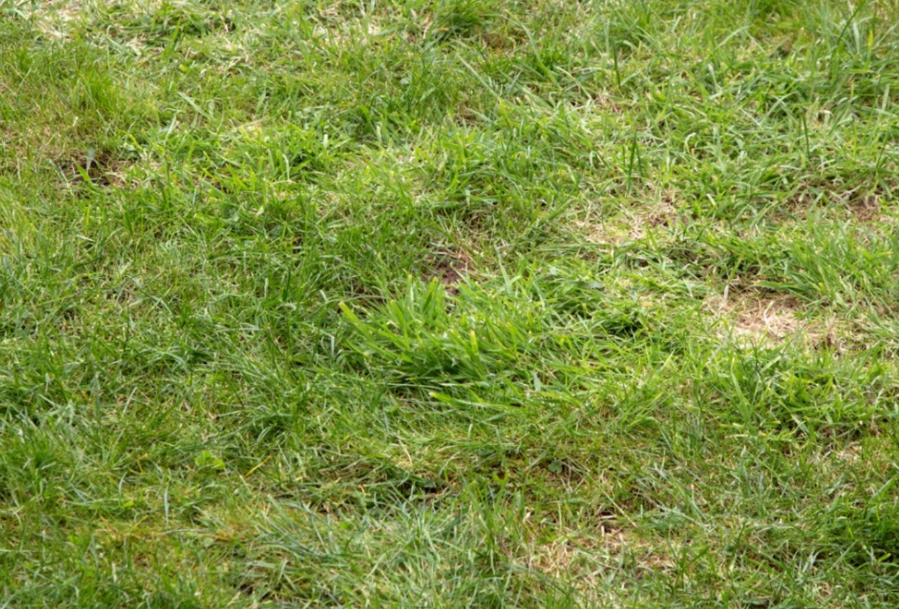
If there were a secret remedy to fix uneven lawn growth, would you jump at it? Many green enthusiasts struggle to achieve even grass growth despite succeeding in other areas, including health and consistent growth.
Uneven lawn growth is a common problem caused by inconsistencies such as poor soil moisture, inadequate lighting, poor drainage, pests, and diseases. So, patchy lawn repair requires proper identification of the triggers and the application of appropriate solutions for uneven grass growth, depending on the cause.
This comprehensive lawn repair guide explains the causes of patchy, inconsistent growth and offers solutions to restore a thick, healthy, and uniform lawn.
Understanding Why Lawn Growth Becomes Uneven
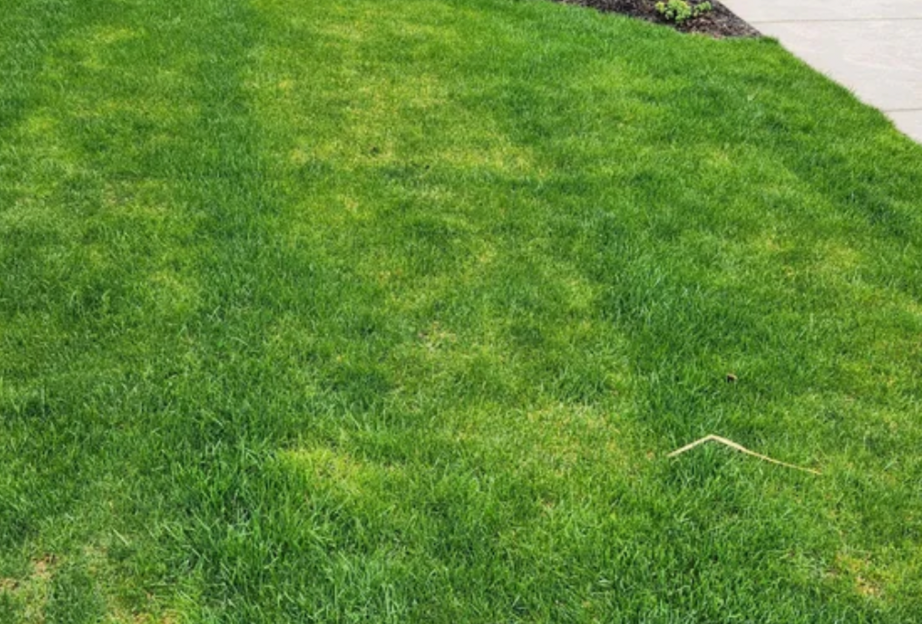
Let’s start with the basics and identify the typical causes of uneven lawn growth. When you groom a lawn, basic nutrients boost its growth and ensure healthy, even growth. These include sunlight exposure, soil conditions, and watering habits.
So, when you notice lawn growth issues, check whether your grass has access to adequate sunlight, enough water, all micro- and ,macro-nutrients, and is free of pest infestations or disease outbreaks.
If even one of these factors is missing, your lawn will experience patchy grass problems that can escalate to more lawn health problems when left untreated.
Common Causes of Patchy or Uneven Grass
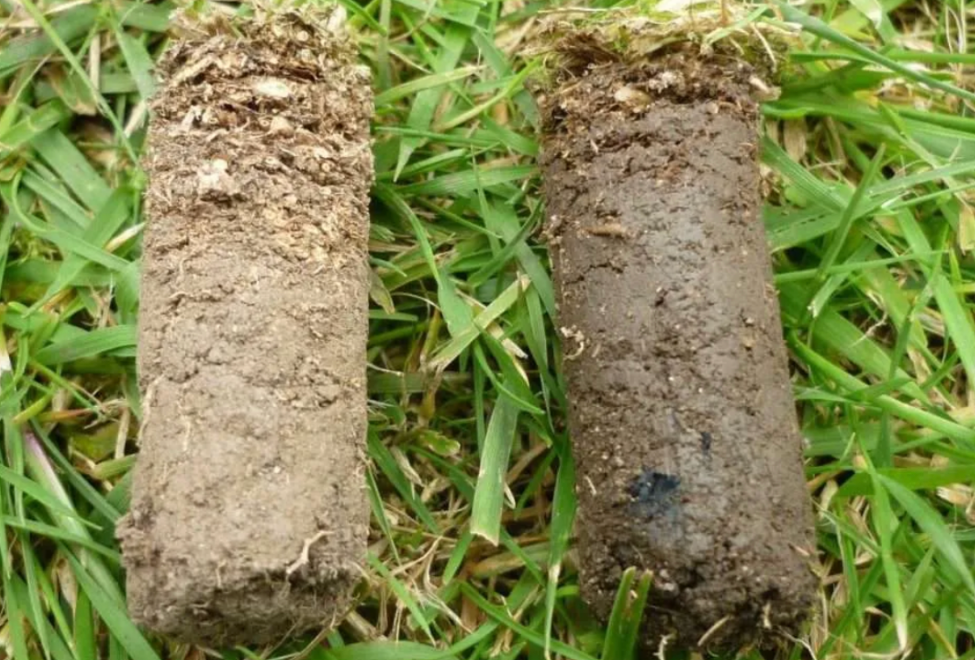
Here’s a closer look at uneven grass growth causes such as inadequate sunlight, soil compaction, drought stress, drainage problems, pest damage, and mixed grass varieties.
Inadequate Sunlight
Inadequate sunlight as a problem depends on your grass type and its lighting needs. For shaded grasses such as Kentucky Bluegrass and Ryegrass, 4 to 6 hours of sunlight is enough, while summer strains like Bermuda and Zoysia need full sun for about 8 hours to grow evenly.
Soil Compaction
Soil compaction lawn problems arise because of heavy foot or machine traffic and thick soil particles, especially with clay soil. The compaction blocks air and nutrients from reaching the roots, leading to sparse grass growth.
Stress
With drought-stressed grass, you’ll notice folded and discolored grass blades with hardened soils due to a lack of moisture. This leads to poor, stunted development, so your lawn’s grass starts growing sparsely.
Pest and Diseases
Look out for lawn pest damage signs such as easy detachment from the soil, discoloration, and thinning. Over time, these issues would become worse and cause patchy, uneven growth.
Mixed Grass Varieties
Because each grass species has unique needs, planting a mix of varieties in one lawn can lead to inconsistent growth patterns.
Signs That Your Lawn Needs Repair
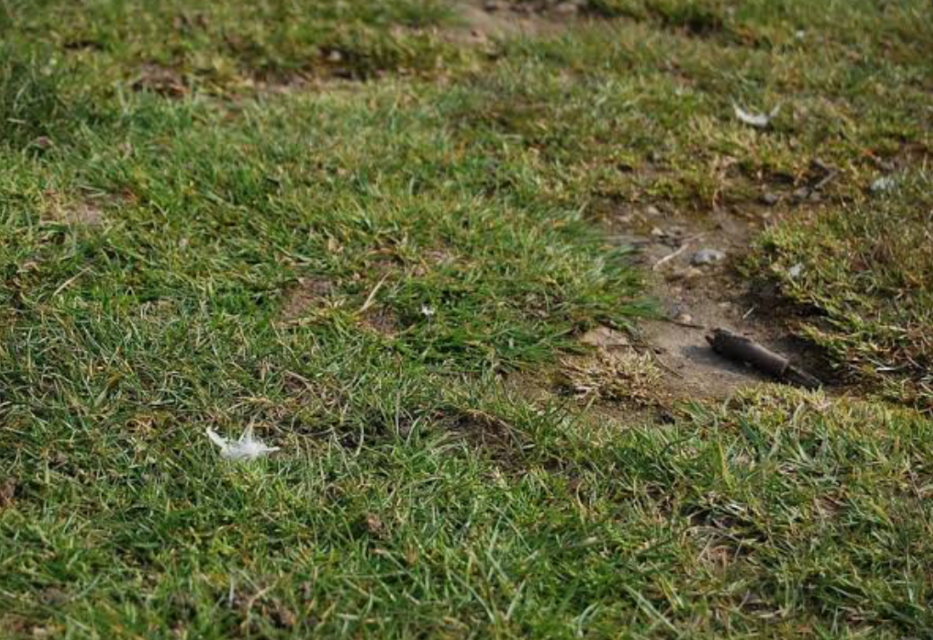
You can easily detect patchy lawn signs if you pay attention to your grass. It shows up as discoloration, like brown or yellow grass patches, thin patches, obvious lawn bare spots, dense weed growth, and loose grass.
These grass thinning problems show up as abnormalities in your lawn, and you’ll only notice them if you’re diligent with your care routines. For instance, you can only notice run-offs and drainage problems from periodic watering.
So, the repair treatment works hand in hand with regular care routines and keen observation.
Assessing Lawn Damage and Problem Areas
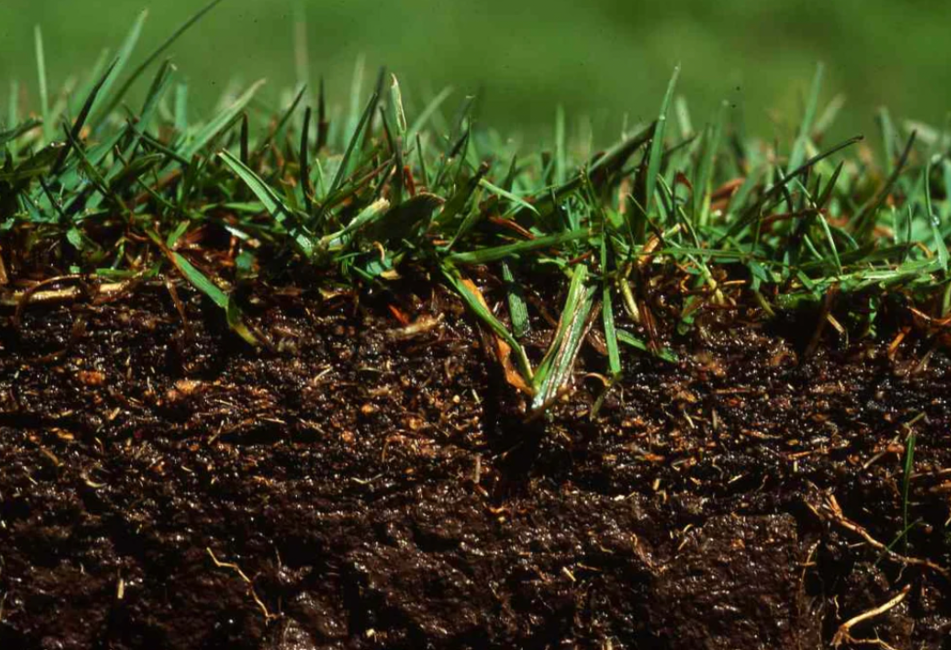
Early detection and prompt repairs boost recovery and improve long-term lawn health. Use this lawn inspection guide to assess lawn damage and problem areas early.
Inspect Lawn Areas
Proper lawn damage assessment starts with what you can see when you inspect the surrounding lawn areas.
Look around for pests and note the type of damage and unevenness your grass is experiencing. Is it loose growth or sparse areas? Are some parts discolored while others are vibrant?
Check Soil Condition
Next up is an in-depth lawn problem diagnosis using a soil test kit. Check the soil condition to ensure the pH is well balanced and that all necessary nutrients for healthy, even growth are present.
This is the stage to check for soil compaction and other poor soil conditions.
Evaluate Grass Root Health
Finally, complete the inspection by checking the grass roots’ health to identify the main reasons behind uneven growth. Check the root’s depth, color, and density. Shallow, light, brown, and sparse roots are signs of poor health.
Preparing the Lawn for Repair

Lawn repair preparation is necessary after you identify the problem and before you begin the recovery process. Prepping ensures maximum results and minimum effort on your part.
Clearing the Area
Start by raking up leaf litter and debris from the lawn area. It’ll ensure no objects catch in your equipment or block the airways into the root system.
Mowing
Use a mower to reduce the grass height to an equal length that’s about an inch from the ground. This will ensure nutrients penetrate the soil and reach the roots.
Dethatching
Follow these lawn dethatching tips to remove dead grass from the ground:
- Dethatch at the appropriate time: late summer for Northern grasses and late Spring to Summer for Summer grasses.
- Use a dethatching rake in small lawns and a power dethatcher in large lawns.
- Work in parallel lines at first, then go across a second time to form a grid.
- Remove excess dethatcher grass after the exercise.
Loosening the Soil
Finish up with lawn soil preparation to enable you to reseed or overseed your grass, depending on the level of degradation.
Overseeding works when your lawn has uneven growth with few patches that only need thickening, while reseeding is necessary for bare spots.
When preparing a lawn for reseeding, ensure you remove all weeds, aerate the soil to break compaction, and add compost or topsoil to boost new growth. Spread your new seed over the prepped spot and water lightly but frequently over the next couple of weeks until you see new sprouts.
Choosing the Right Grass Seed for Your Lawn
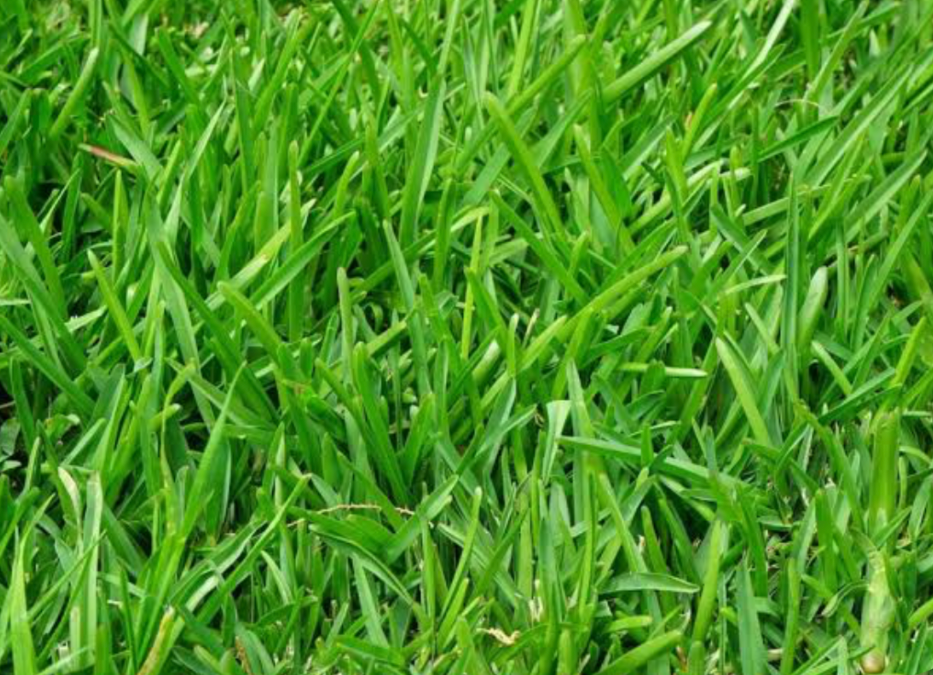
Timing and geography are essential to lawn seed selection because they determine growth patterns and capacity. Choose your grass types for different climates, sunlight needs, and soil conditions to ensure they thrive naturally and recover in record time.
For long-term uniform growth, the best grass seed for lawn repair is perennial ryegrass. It’s a fast-growing, shade-tolerant grass seed with wear resistance and wide coverage for large expanses of land.
Overseeding Techniques to Improve Lawn Density
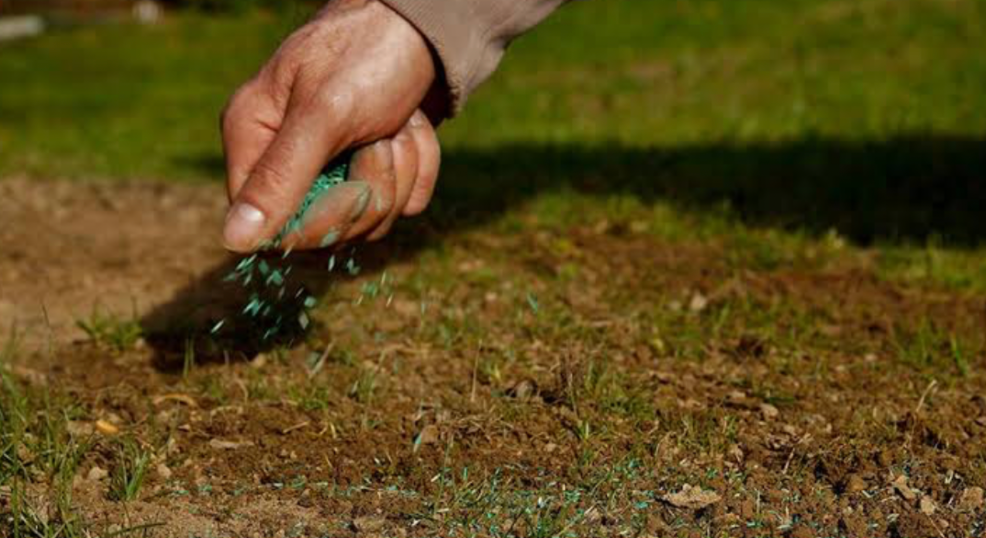
If you’re only interested in lawn-thickening techniques, then use this overseeding lawn guide to fill bare patches and thicken thin areas for a uniform lawn.
- Mow your lawn to about 1.5 inches above ground.
- Aerate the soil.
- Spread your seed evenly across the lawn, ensuring it lands on the soil.
- Water lightly for the next three weeks.
Remember that overseeding patchy lawn areas is the repair therapy for filling bare spots, while the lawn reseeding tips you saw earlier are for reviving dead lawns.
Fertilizing to Promote Healthy Grass Growth
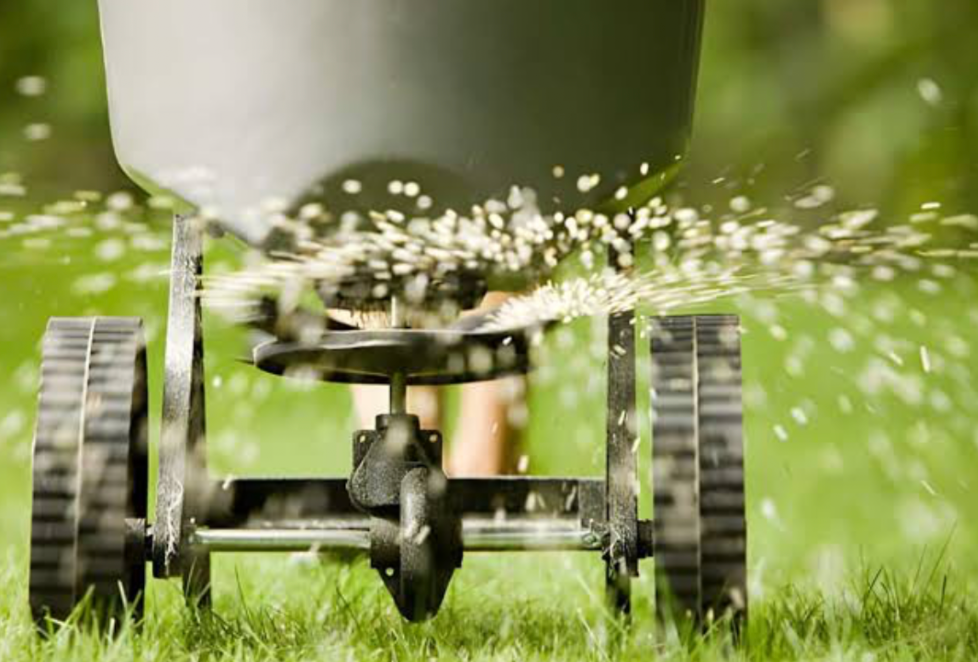
Healthy lawn feeding is part of the recovery process because your grass needs essential nutrients to thrive. Check for essential NPK grass fertilizer nutrients to improve individual aspects of your grass’s growth.
Use this lawn fertilization guide to determine what nutrients your grass needs the most and provide them accordingly.
Nitrogen provides chlorophyll for greenness, Phosphorus strengthens grass roots, and Potassium builds density for resilience under heavy traffic and harsh conditions.
As your uneven lawn recovers and becomes even, stick to consistent lawn fertilization schedules to maintain the new growth.
Maintaining the Lawn After Repairs
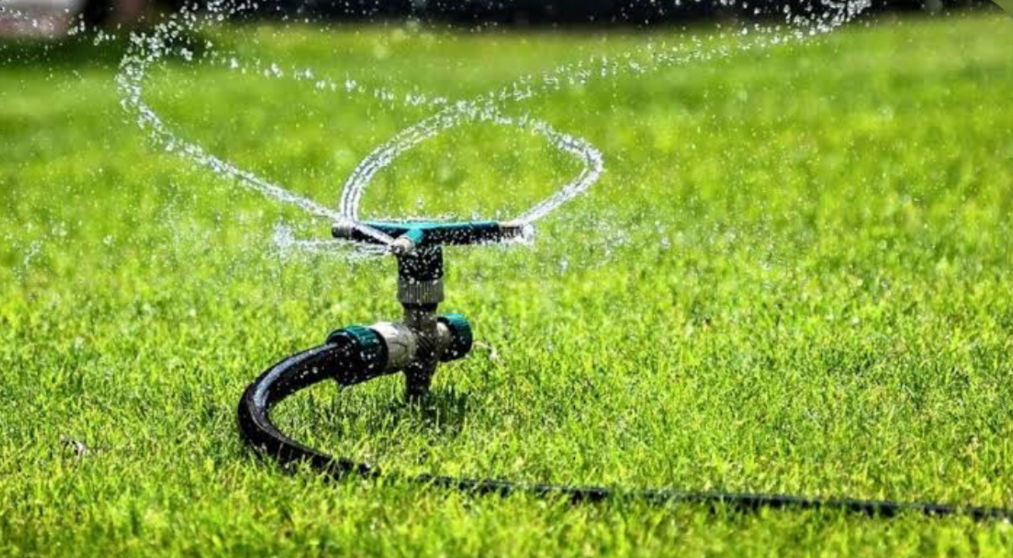
Post-lawn repair care is similar to regular healthy lawn care schedules.
This lawn care routine includes your basic lawn mowing practices to maintain evenness, periodic but infrequent watering for drought resistance, ,and weed control and organic pesticides to keep unwanted weedsweeds and pests from growing and ruining your hard work.
And that’s a wrap on the lawn maintenance tips and repair schedule to ensure even growth and aesthetically pleasing yards.
Conclusion: Achieve a Smooth and Healthy Lawn
Before you fix patchy lawn areas, you must first identify the cause of the uneven growth and its severity. It’ll give you detailed insights into the lawn improvement tips that’ll work for long-term recovery.
To summarize the lawn repair success tips in this guide, after identifying the problem and cause, assess the damage, prep the lawn, choose your seed, and then overseed or reseed as applicable.
After repairs, use a healthy lawn guide to maintain your lawn and ensure it grows lush and uniform, improving overall curb appeal.