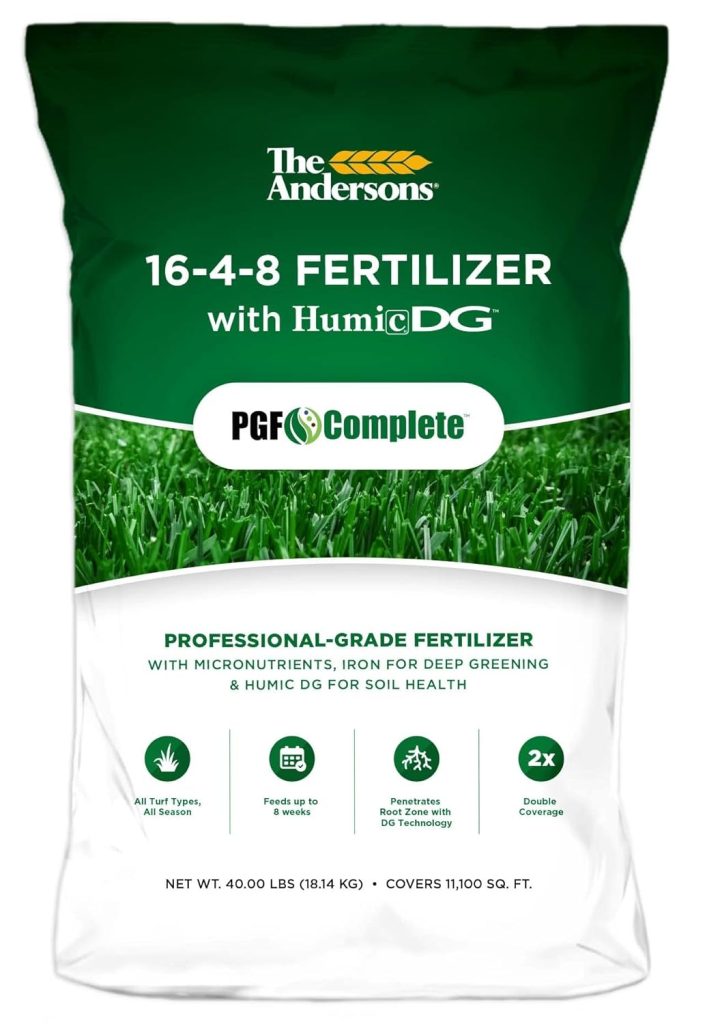
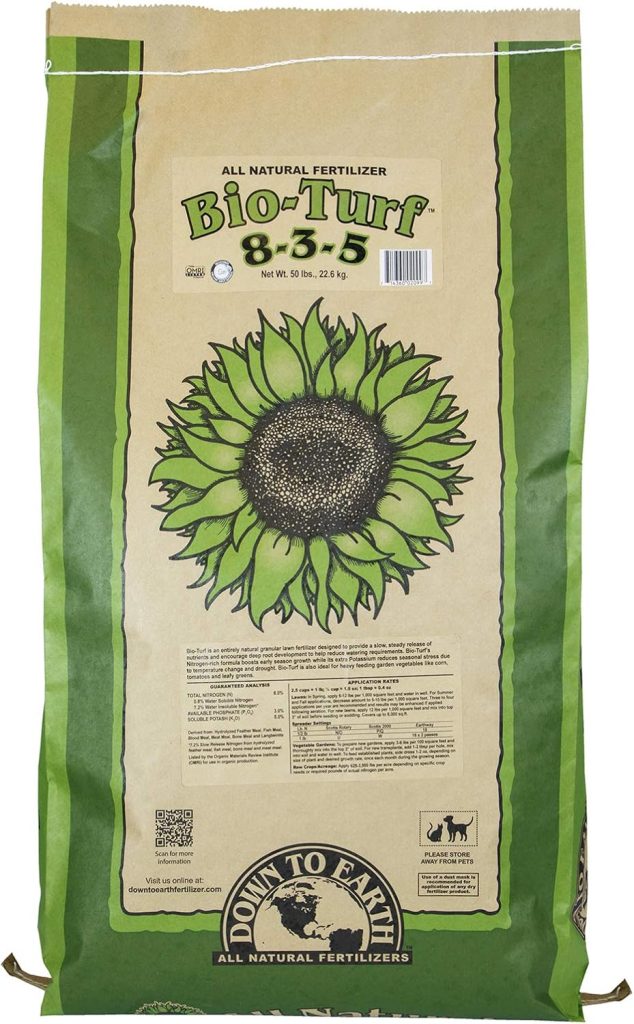
Lawn Fertilization Routine: Monthly Tasks & Reminders August 18, 2025June 4, 2025 by Dave Smith Want a lush healthy lawn, You'll Need This Comprehensive Fertilization Routine Guide In this guide we share sustainable fertilization practices for a healthy, lush, and resilient lawn throughout all seasons, including recommendations on types of fertilizer and application methods. Table Of Contents Show Effective Lawn Care Fertilization Routine Why a Fertilization Routine Matters for Lawn Health Essential Nutrients Your Lawn Needs Organic vs. Synthetic Fertilizers: Making the Right Choice Organic Lawn Fertilizer Synthetic Lawn Fertilizer Understanding Fertilizer Forms: Liquid vs. Granular Liquid Lawn Fertilizer Granular Lawn Fertilizer Developing a Customized Lawn Fertilization Schedule Seasonal Guidelines for Lawn Fertilization Regional and Climate Considerations for Fertilizing Your Lawn Climate Consideration Regional Consideration Soil Testing: Tailoring Nutrients for Lawn Success Best Practices for Applying Lawn Fertilizer Fertilization Application Timing Spreading Common Lawn Fertilization Mistakes to Avoid Signs Your Lawn Needs Fertilizer Lawn Maintenance Tips Between Fertilizations Mowing Watering Aeration Sustainable Fertilization Practices for Eco-Friendly Lawn Care Maintaining a Healthy Lawn Year-Round: Your Fertilization Roadmap Effective Lawn Care Fertilization Routine Did you know that lawn care fertilization plays a huge role in providing healthy, luscious, and green grass? Perhaps you’re aware of the benefits of having a healthy lawn routine, where fertilization is an integral part of the process. Well, you’re about to learn that having a structured lawn fertilization schedule is essential for a vibrant, healthy lawn. This regular and strategic fertilization enhances growth, color, and resilience, ensuring your lawn stays beautiful and healthy throughout the seasons. Checkout this guide’s fundamentals of fertilization and how you can strategically use it to improve your lawn’s appearance! Why a Fertilization Routine Matters for Lawn Health A consistent lawn feeding routine can take your lawn’s emerald glow to the next level In grass maintenance, lawn health and fertilization often go hand in hand, but gardeners rarely consider them strategically. Many green thumbs know of lawn fertilization benefits and work toward providing them for their grass. However, only a few have developed the skills to maximize these rewards. Regular fertilization replenishes the soil, but strategy ensures you provide your grass’ nutrient needs consistently and at the proper times throughout the year. The right fertilizer and schedule foster growth, prevent diseases, and improve resilience to stressors such as heavy foot traffic and drought through the development of deeper root systems. Essential Nutrients Your Lawn Needs The Andersons PGF Complete (left) & Down to Earth Bio-Turf (right)Are Great Choices to Keep Your Lawn VibrantFound On Amazon Linked Above Now that you understand why fertilization is important, it’s time to analyze essential lawn nutrients and get them from your fertilizer. To beginners, N-P-K may sound like nonsensical jargon to you, so here’s an explanation for unraveling the seeming complexity. N-P-K represents Nitrogen, Phosphorus, and Potassium, which are lawn nutrient basics. NutrientFunctionNitrogen (N)Fosters luscious growth Phosphorus (P) Aids flower blooms and strengthens rootsPotassium (K)Boosts overall health and disease resistance In understanding NPK ratios, you’re ready to provide the right kind of fertilizer for your lawn’s needs. See also Perfect Timing for Lawn Feeding: A Simple Guide to Greener GrassFor example, a high Nitrogen blend improves your lawn’s vibrancy while Potassium-rich fertilizers strengthen roots. Up next, organic vs. synthetic fertilizers! Organic vs. Synthetic Fertilizers: Making the Right Choice An illustration of the differences between Organic and Synthetic Fertilizers – Image Source: Milorganite When choosing lawn fertilizer products, you have to decide between two main types: organic or synthetic. Each type has its pros and cons, so the decision lies in what is important to you and your lawn’s current needs. Organic Lawn Fertilizer An organic lawn fertilizer is an eco-friendly choice that allows for revitalization without harming your soil. Unfortunately, if you’re looking for a quick fix, it’s not the best option because it releases nutrients slowly. Synthetic Lawn Fertilizer On the other hand, synthetic fertilizers are fast-action products. However, while returning vibrancy to your lawn, synthetic fertilizers erode the soil. They leech off beneficial organisms and become harmful in the long run. So now that you’ve weighed organic and synthetic fertilizer pros and cons, you can decide which one best suits your purpose. Understanding Fertilizer Forms: Liquid vs. Granular Liquid (L) and Granular (R) Fertilizers Another choice you’d have to make is between two different fertilizer application methods. Whether it’s organic or synthetic, all fertilizers come in the form of liquid or granular, and each has its unique benefits. Liquid Lawn Fertilizer For quick absorption into the soil, use a liquid lawn fertilizer. It’s perfect for rapid growth in the early Spring when the rain is heavy and consistent. Granular Lawn Fertilizer Meanwhile, a granular lawn fertilizer releases nutrients slowly as it binds with the earth. This efficiency is handy in the Summer for sustainable growth and long-term health. Now, let’s customize your ideal lawn fertilization schedule. Developing a Customized Lawn Fertilization Schedule Making a custom lawn fertilization routine is where the magic truly happens. We’ll cover practical tips on making an ideal personalized lawn care schedule based on certain factors like: Grass type Soil conditions Weather patterns Climate conditions and, Specific lawn requirements So, buckle up as we start with a seasonal lawn schedule. Seasonal Guidelines for Lawn Fertilization Lawn care is a necessity no matter the season Using nature as a catalyst for maximum results through seasonal lawn fertilization is a cheat code for experts, and you’re about to join them. Read this table to know the best time to fertilize your lawn and the quantity. SpringApply fertilizer to recover from winter SummerApply organic fertilizer to enrich your soilFallApply nitrogen-centric fertilizer to build deeper roots for winter WinterDon’t fertilize. Instead, clear ice/snow caps and begin spring soil preparations. Once you’ve hacked these fertilization timing tips, you must consider your regional climate. See also Lawn Recovery After Heavy Foot Traffic Tips for a Healthier, Greener YardRegional and Climate Considerations for Fertilizing Your Lawn Creating a climate-specific fertilization schedule is another way to harness the benefits of nature. Study your geographic location and local climate conditions to understand how they impact your regional lawn care. Avoid climate and regional lawn fertilization mistakes to keep your grass from looking like this Climate Consideration Grass variety and climate both significantly impact fertilization needs because different grass types have varying nutrient requirements and growth cycles, and climate influences the availability of nutrients, the timing of growth, and fertilizer application. Hot Climate Aggressive feeding in the Summer Cold Climate Spring/Fall fertilization Cool-season grasses like Kentucky bluegrass, perennial ryegrass, and fescue generally require more nitrogen, especially in the fall, to promote deep root growth and energy storage for winter. A 10-0-20, Found Here On Amazon, or similar, lower nitrogen, higher potassium fertilizer works well! Warm-season grasses like Bermuda, Zoysia, and St. Augustine may benefit from balanced fertilization throughout the growing season (late spring/early summer) to support vigorous growth during their active months. A 20-0-10, Found Here On Amazon, or similar high nitrogen, moderate potassium fertilizer works well! Regional Consideration Grasses suited for your region determine your fertilization requirements and approach. For example, a region of sandy soils needs more feeding to maintain lush grasses than one with rich, loamy soil. However, when fertilizing by location, always prepare to make adjustments based on changing climate, as the rules aren’t set in stone. Next up is soil testing to determine the ideal N-P-K ratio for the perfect fertilizer. Soil Testing: Tailoring Nutrients for Lawn Success Lawn soil testing gives you a perfect nutrient deficiency diagnosis so that you can choose the right kind of fertilizer. A soil type rich in nutrients doesn’t need as much fertilization as one that’s deficient. You can test your soil periodically for its pH and nutrient levels. Think of it as a personalized health check for your lawn every couple of years. Author’s Note: Check out the more accurate Mail-in Lab MySoil Soil Test Kit or the Convenient At-Home Rapitest Soil Test Kit for diagnosing nutrient deficiency and preparing your soil for the planting season! Once you know your grass’s condition, you can make customized fertilization schedules to keep it thriving all year round. Best Practices for Applying Lawn Fertilizer Using a spreader is the best ways to apply lawn fertilizer You’ll get the best out of your maintenance routine by adopting these lawn care best practices. It covers proper fertilizer application, timing applications to avoid nutrient runoff, and ensuring even coverage for optimal lawn health. Fertilization Application Follow these fertilizer application tips for the best results: Select your spreader based on the fertilizer type. Use a spray bottle for liquids and a hand-held spreader for granular fertilizer. Calibrate your spreader based on your lawn’s size. See also Creating a Wildflower Edge and Living Hedge Border: Natural Beauty with PurposeTiming Timing your application is crucial to its effectiveness in relation to the weather. Early morning application is ideal because the grass can absorb nutrients from the fertilizer before the sun rises. Spreading Ensure you’re spreading fertilizer evenly across the lawn by walking back and forth until you cover the entire area. Common Lawn Fertilization Mistakes to Avoid When following these proper fertilization techniques, be careful not to fall into common errors such as over-fertilization, incorrect timing, and improper watering. Let’s take a closer look at these fertilization mistakes and practical methods for avoiding lawn care errors. ErrorSolution/Avoidance TipsOverfertilization Test your soil before applying fertilizer and give it only nutrients that it’s lacking. Incorrect TimingWatch the local weather report before fertilization. Don’t fertilize where heavy rain is coming. Fertilize before sunrise. Improper Watering Always water your soil after fertilization to help it absorb nutrients Signs Your Lawn Needs Fertilizer An unhealthy, discolored lawn with patches Besides testing your soil, there are physical signs that a lawn needs fertilizing. When there’s a lawn nutrient deficiency, it’ll manifest physically like discoloration showing a lack of Nitrogen, patchy growth, variations in height, or thinning as signs of Phosphorus, and poor recovery after stress as signs of lack of Potassium. So, yes, appearance and growth patterns are often underrated indicators of lawn health. Lawn Maintenance Tips Between Fertilizations We’re almost done with this guide, but before closing out, let’s discuss lawn maintenance between fertilizations. You can’t afford to ignore your lawn because you just fed it. Instead, follow these lawn mowing tips and other maintenance recommendations to ensure your fertilization is effective. Mowing Keeping a proper mowing height ensures your grass receives moderate sunlight. 3 – 5 inches above ground is ideal as short grasses expose roots while tall grasses are non-functional. Watering Watering after fertilizing helps bind the nutrients more effectively and faster while also preventing bowing when the sun comes out. Aim for a deep but infrequent watering schedule, such as every other day or every two to three days, to encourage the development of deeper roots. Aeration Allow air circulation on your grass by not overcrowding it with things. Sustainable Fertilization Practices for Eco-Friendly Lawn Care A Lush green lawn thriving with sustainable fertilization The tips in this guide support eco-friendly lawn care for gardeners thinking about sustainable fertilization. Although there was a choice between synthetic and organic fertilization earlier, I recommend the latter as the ideal option. These organic amendments and compost fertilizer benefits will convince you if you’re still skeptical. You can condition your soil while replenishing its nutrients with homemade compost. Compost enhances your soil structure and fertility. It’s a budget-friendly option. Maintaining a Healthy Lawn Year-Round: Your Fertilization Roadmap Recapping our fertilization roadmap for year-round lawn care, we touched on the following: Benefits and Importance of Fertilization Essential Lawn Care Fertilization Routine Types and Forms of Fertilizers Customized Fertilization schedules Maintaining an effective fertilization routine, staying consistent and adaptable to climate changes, and prioritizing sustainable practices are the best bets for guaranteeing long-term lawn health. Try it today, and let’s hear all about the improvements to your lawn in the comments below. Article By Dave Smith Hi, thanks for stopping by! I’m a lifelong lawn and garden enthusiast with a passion for making outdoor living simple, beautiful, and achievable. Interestingly enough, what started out as a chore became a passion! Now, with my hands-on experience in lawn care, planting, landscaping, and sustainable gardening, I love helping others create outdoor spaces they can truly enjoy. Let’s dig in and create something amazing. This article may contain affiliate links (disclosure policy).




 Skip to content