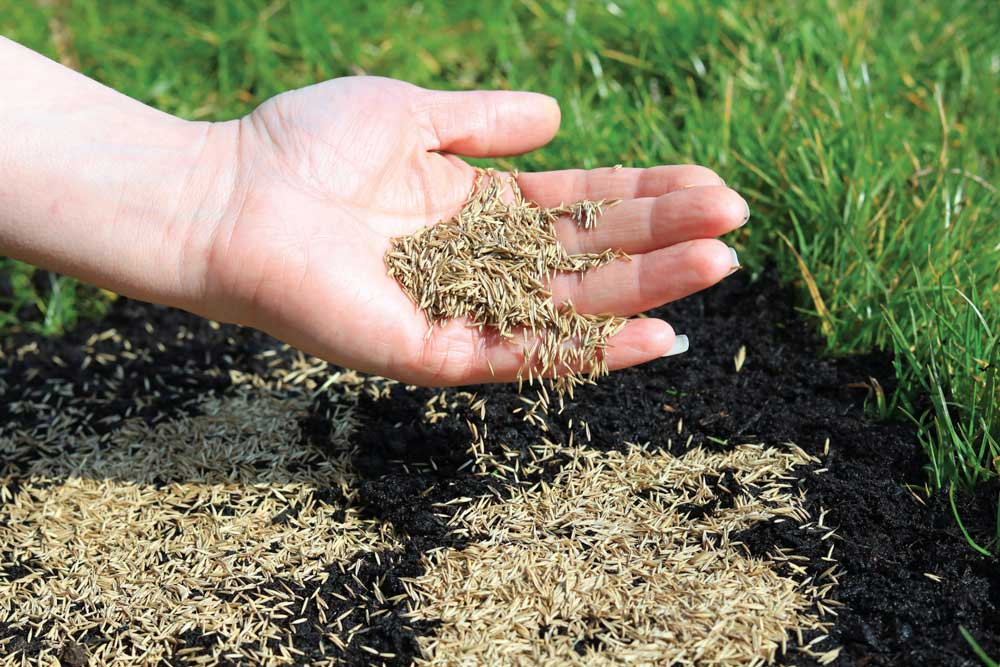
Don’t let the summer heat or winter chills leave your lawn looking thin. You can add younger, tougher grass blades to your yard to help it stay healthy through any weather. Whether you are prepping for a northern fall or a southern spring, these tips will help you get perfect coverage. Grab your spreader and follow these steps to build a stronger, greener outdoor space that lasts.
How To Overseed Your Lawn Easily
Brown spots and thinning grass can make even the nicest home look a bit neglected. Instead of just tearing everything out and starting over, you can add new seed to your existing turf to fix the problem a lot quicker.
When you learn how to overseed your lawn spots carefully, you’ll be able to turn a patchy mess into a floor of fresh growth. This is one of the fastest tricks that can help you repair damage from pets or heavy foot traffic.
An overseeding lawn guide is helpful because it gives you the steps that you need to get the job done right the first Saturday of spring. With the lawn overseeding tips we’ll be giving, you’ll be able to achieve a thicker green lawn.
What Overseeding Means and Why It Helps Lawns
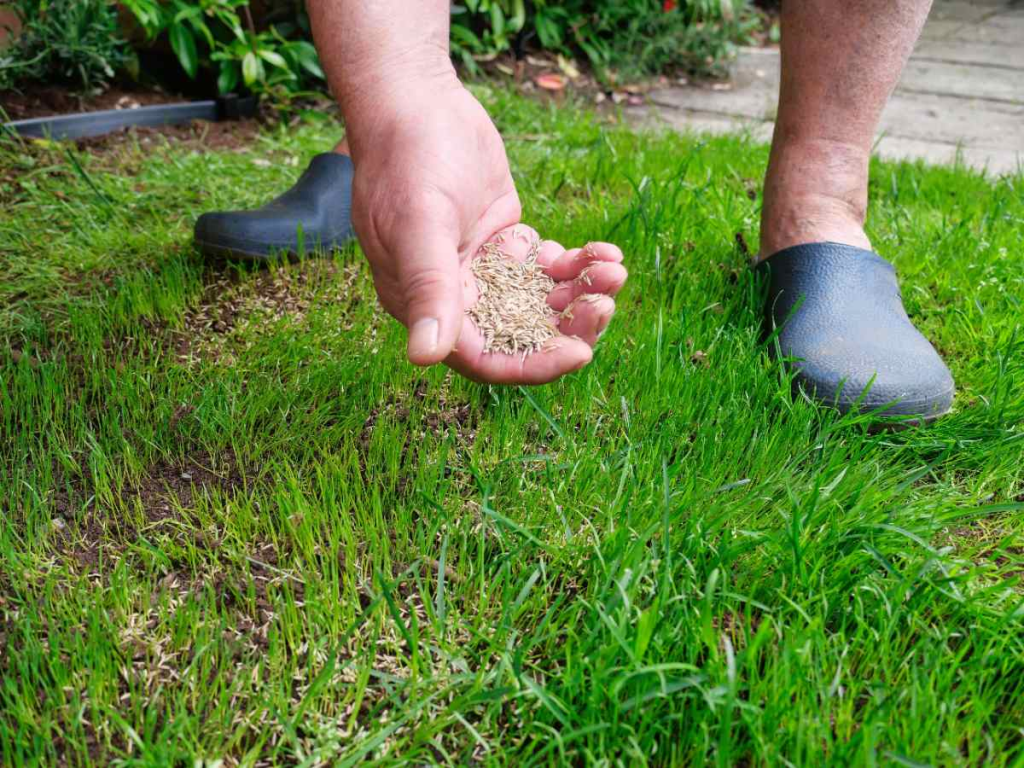
Over time, you may start to see some annoying bare spots popping up on your lawn, and you can fix them by spreading fresh seeds directly on those spots.
If you’re still not sure what overseeding means, you should know that it is just a way to refresh your yard without starting over from scratch. It is a great way to improve the thickness of your lawn by adding younger and stronger blades to the mix.
These newer plants give several lawn overseeding benefits such as better resistance to bugs and dry spells. It is a reliable way to fix thin lawn grass that has seen better days.
Benefits of Overseeding an Existing Lawn
Most yards eventually start to show their age through thinning patches and yellowing edges. Placing down some high quality seed is a great way to fill any bare spots in those lawn zones that have seen better days. The benefits of overseeding go way beyond just looks, as it actually helps in building a much stronger root system.
Thick grass acts like a natural shield, which improves lawn weed resistance by leaving no room for dandelions to sprout. There are so many lawn repair methods that are available, and this one stands out because it helps the yard to recover from stress a lot faster.
Best Time of Year to Overseed Your Lawn
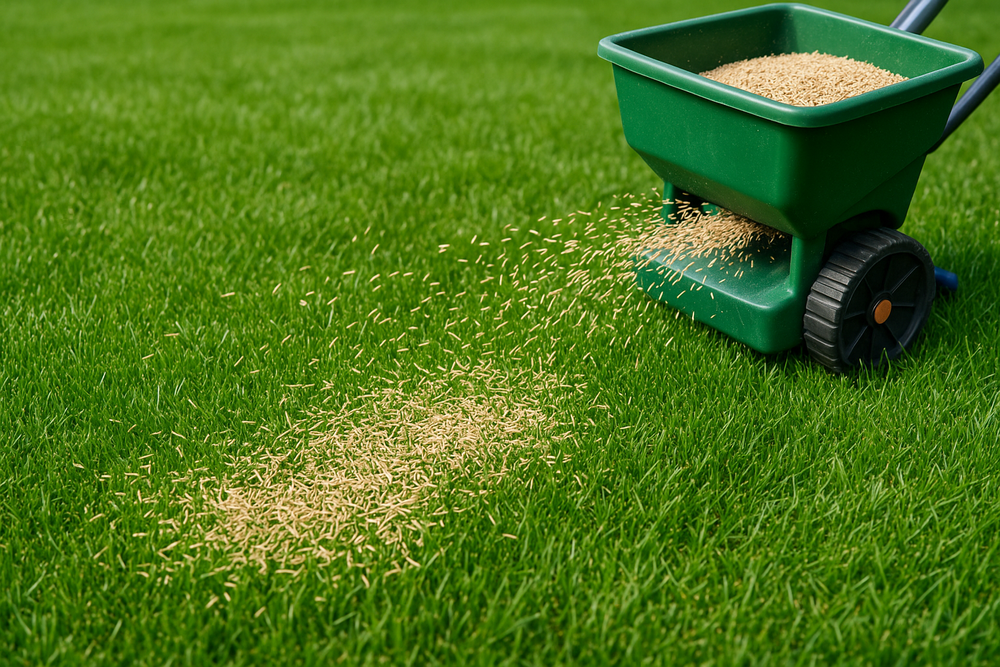
It’s usually a great idea to overseed in fall for northern lawns that need relief from the summer sun. Choosing to go with this particular lawn seeding season is very helpful for new growth as they get to avoid the stress that comes with extreme temperatures. Different grass types actually have their own clocks.
This means that you have to know the best time to overseed the lawn patches based on whether the grass stays green in summer or winter. Overseeding in spring usually works great for southern lawns that need plenty of sunshine to get moving. Good timing gives the new seeds the best shot at becoming a thick green carpet without much extra effort.
How to Choose the Right Grass Seed for Overseeding
It is always best to pick a grass variety that loves the local environment. A lawn that gets baked in the sun all afternoon will definitely need a different approach than a cool and damp garden.
If you want to find the best grass seed for overseeding your lawn, you can get some inspiration by looking at your neighbors’ successful yards. If the goal is a tough surface for sports, then durable lawn grass types are the way to go. It helps to choose lawn grass seed that resists local pests and common diseases.
How to Prepare Your Lawn Before Overseeding
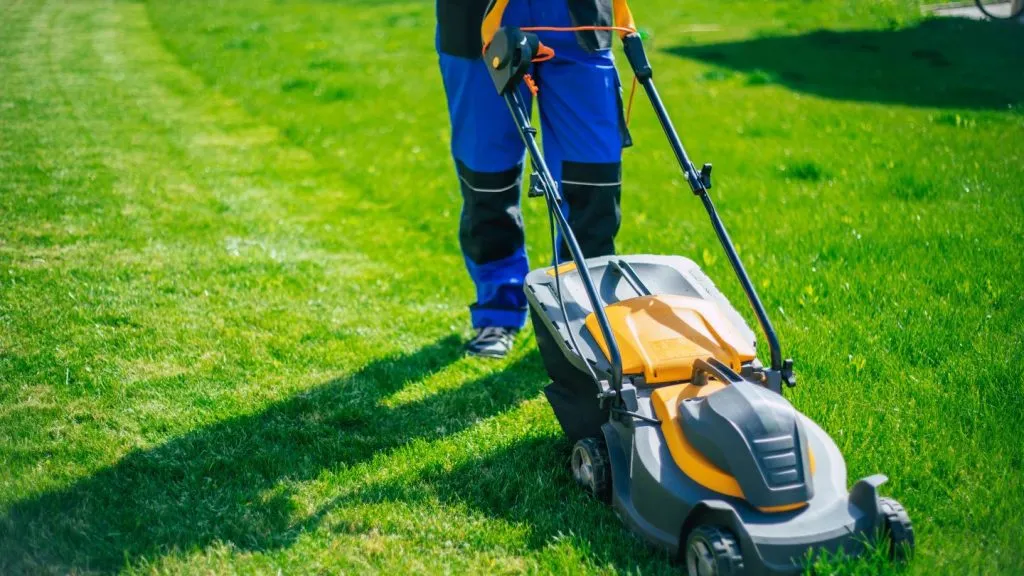
There are a few things you need to do before you go ahead to overseed your lawn. First is giving your existing turf a short haircut. It is important that you do a low mow before overseeding to keep the taller blades from shading out the new babies.
Once the grass is short enough, then you have to clear away the mess. Quality lawn prep for your grass seeds creates an environment that helps quick germination. It also helps to rake your lawn before seeding to get rid of any thatch. Any debris or leaves should go in the bin right away.
Why Aeration Can Improve Overseeding Results
Aerating before overseeding helps to create a nice environment for the seeds. This compacted soil lawn fix allows nutrients to reach the areas that matter the most. When seeds are able to find their way into these newly made holes, there is better seed to soil contact.
These sprouts have plenty of room to stretch out and grab onto the earth. Also, the long term lawn aeration benefits include much stronger root systems that are able to survive tough weather.
Best Techniques for Spreading Grass Seed Evenly
One of the best techniques for overseeding is to use a spreader. This method usually produces very steady results compared to just throwing it by hand.
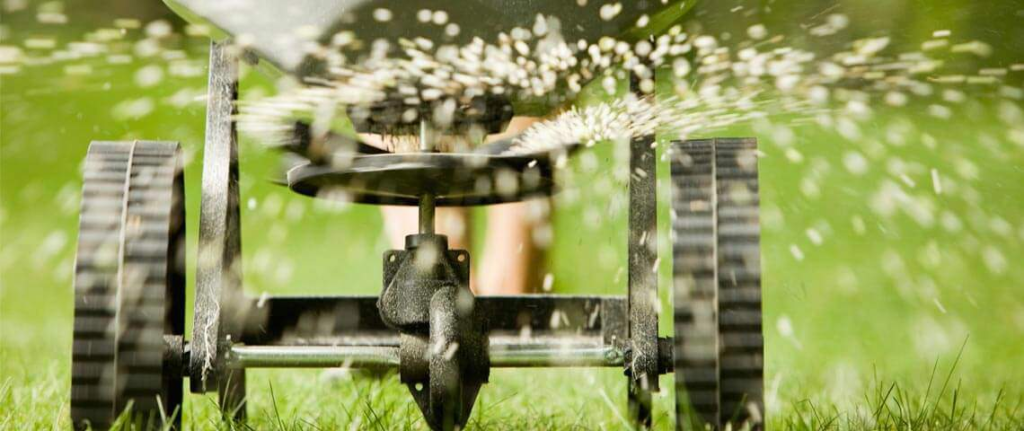
You can make use of a crisscross pattern to prevent streaks or missed lines in the dirt. This way makes sure of even lawn seed coverage because the grain is able to land from different angles as the tool moves along the soil.
Following these useful grass seed application tips makes sure that the new growth looks thick and healthy. Knowing exactly how to spread the grass seed prevents piles of grain from just sitting in one spot while leaving other parts of the yard totally empty.
Watering After Overseeding for Strong Germination
Getting that thick and healthy look on your lawn requires keeping the soil damp like a wrung-out sponge at all times. If you want your seeds to germinate well, then you should water in short bursts several times daily.
Small seedlings usually have zero defense against the hot sun, so staying on top of the moisture levels is the only way to keep the lawn seed moist enough to survive.
As soon as your yard starts looking like a green carpet, you should begin backing off the frequency. This adjusted new grass watering schedule forces the roots to hunt for water deeper down instead of staying near the top.
Lawn Maintenance Tips After Overseeding
For you to achieve that thick green carpet of grass, there needs to be some discipline when the new growth begins to show. Restricting foot traffic on the yard helps to protect the new lawn seedlings as they struggle to establish themselves in the dirt.
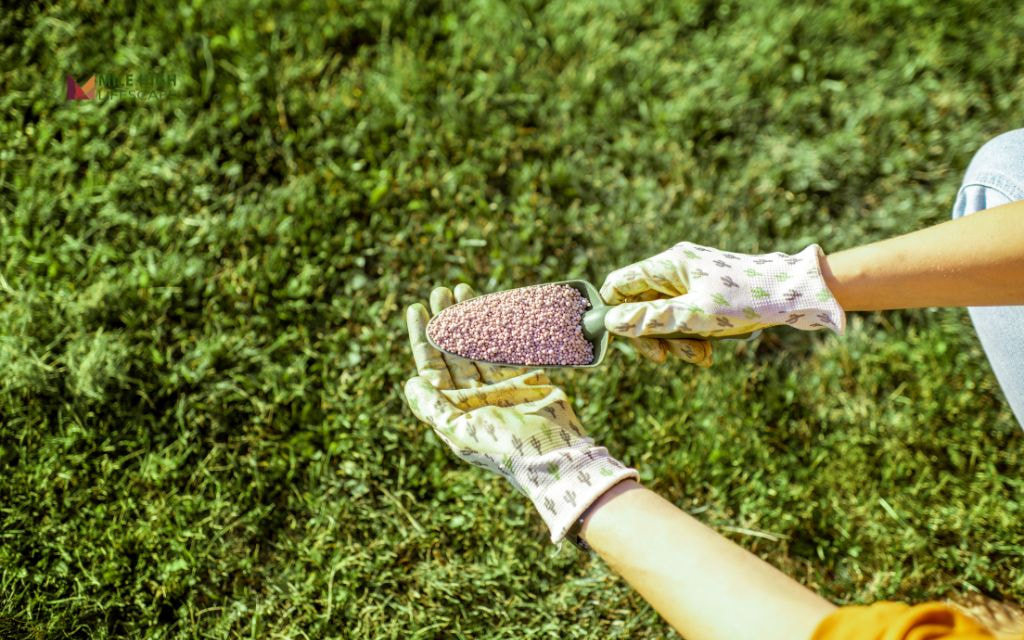
Spreading a light layer of nutrients after overseeding through fertilizing gives the grass the energy that helps it outpace weeds.
It might be tempting to pull out the mower once the lawn looks a bit shaggy. However, mowing the new grass should only happen when the blades are tall enough to handle the stress.
Common Overseeding Mistakes to Avoid
Getting a lush yard takes more than just a bag of random seeds. Choosing a blend that doesn’t match the local climate is one major overseeding lawn error. Even the best soil won’t help if the watering isn’t consistent. Neglecting the sprinkler schedule is a top reason for grass seed not growing after the initial sprout.
These lawn seeding problems usually stem from letting the top inch of soil dry out completely. You should also watch out for other overseeding mistakes like skipping the aeration step. Aerating helps oxygen and water reach the roots so that the new blades can actually survive the transition into a thick, healthy turf.
Long-Term Lawn Care After Overseeding
Consistent healthy lawn maintenance will help to keep the grass from thinning out when the weather gets tough. You should set the mower to a taller setting that actually protects the new roots from the sun. Another trick that also works is annual aeration.
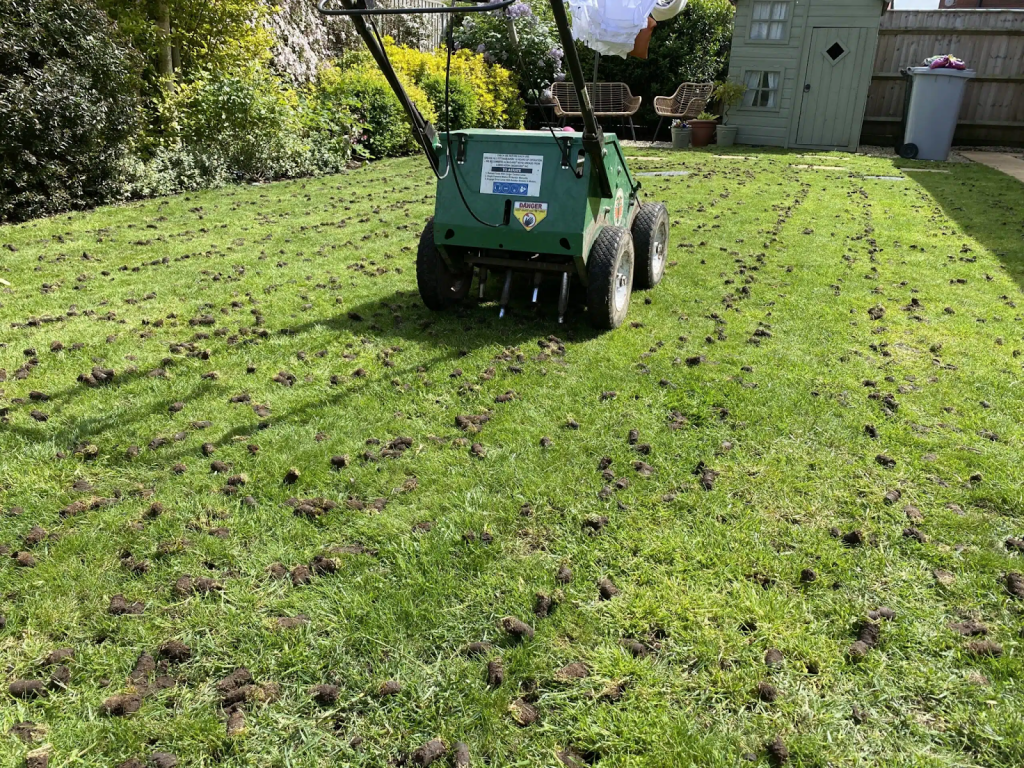
It helps to keep the soil loose and ready for water. It is also important that you regularly feed throughout the year. This provides nutrients that help to maintain a thick lawn during peak growing months. This type of long term lawn care prevents weeds from finding any room to grow.
Conclusion: Build a Fuller Lawn with Easy Overseeding
Giving your tired yard new life is much simpler than you think. Many routine lawn improvement tips often focus on mowing, but adding fresh seed is the real secret to having a bright outdoor space. This easy lawn care method fixes thinning areas before they become a bigger problem for the soil.
The main factor to achieving success with overseeding is consistency. A thicker healthier lawn is able to resist pests and diseases much better than a neglected one. Spending a few hours on the weekend pays off when the grass comes back stronger and greener than ever before.
Grab a bag of seed today, overseed your lawn and post a photo of the progress in the comments!