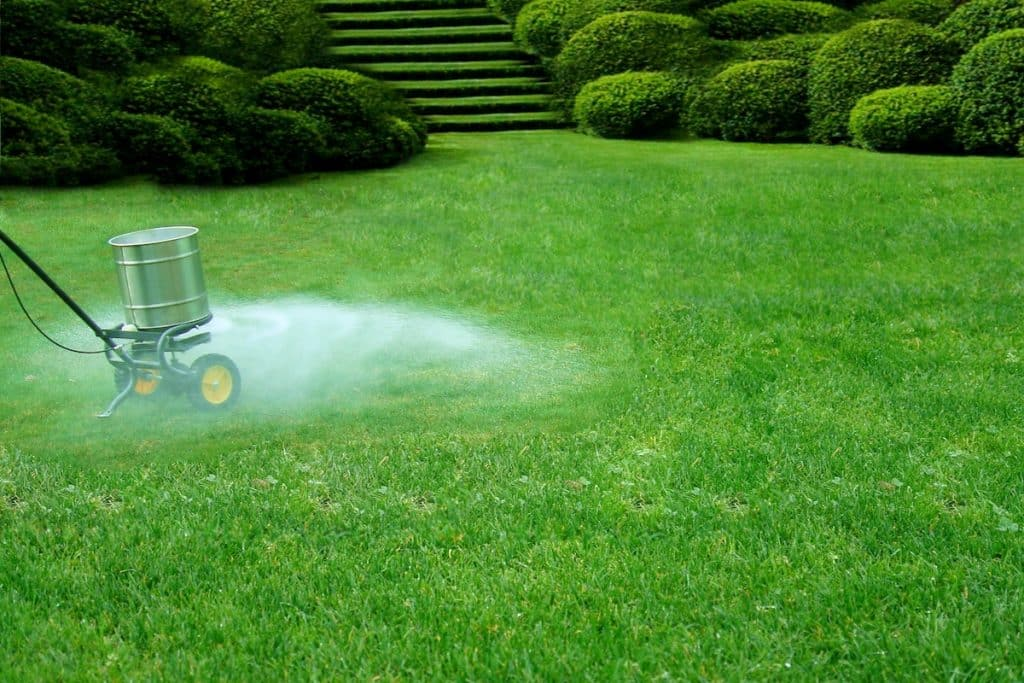
Lawn fertilizer works best when it meets your grass at the right moment. In this guide, you’ll learn how to time feedings around growth cycles, cool and warm-season patterns, weather, and soil needs. You’ll be able to achieve a yard that is thicker, greener and better at resisting weeds.
When To Fertilize Your Lawn For Optimal Growth
Knowing when to fertilize your lawn is just as important as the fertilizer itself. Ensuring that your feeding aligns with the growth phase of your lawn will lead to stronger roots, better color, and better lawn health in the long term.
This is important because cool season and warm season grasses each have their own rhythm. So you have to keep this in mind when drawing up your lawn feeding schedule so that you can achieve an optimal lawn growth across your yard. Over time, this will show up on your lawn as dense and green healthy grass that is able to handle weeds better.
Why Timing Fertilization Matters for Lawn Health
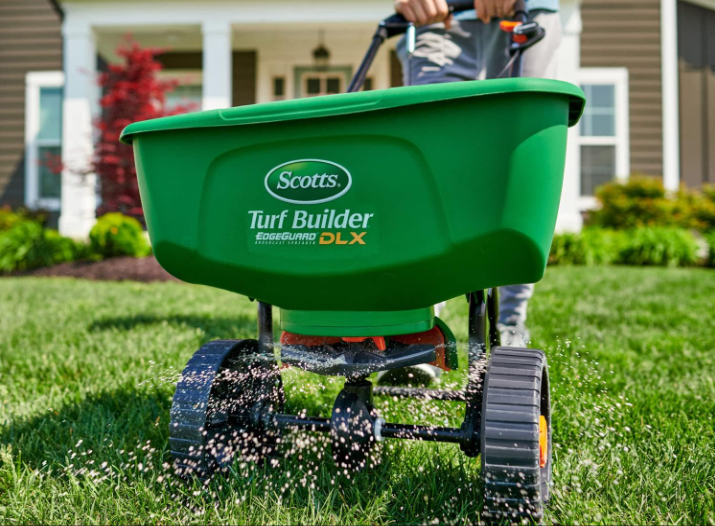
A broadcast spreader gives you precise control, row by perfect row
Found On Amazon
You must pay close attention to the timing of your fertilization if you want to achieve a healthy lawn. It’s important that you time your fertilizer application to the periods of growth instead of just tossing it at random. During each growth cycle of grass, the blades surge, rest, and thicken. And you need to ensure that nutrients are ready right as that push begins.
Giving the right amount of feed during the active periods helps to build a strong root system that is able to soak up water and withstand heat or foot traffic. As the roots continue to spread and the turf thickens, your lawn will be able to handle weeds better over time.
Spot the Signs: When Your Lawn Is Asking for Fertilizer
There are usually some signs that show up when your lawn needs fertilizer, and you need to be aware of them. You may notice that your grass that once bounced back after mowing may instead stay short and dull with scattered and yellowing grass that never deepens to green, and also does not show the ringed pattern that is expected with disease.
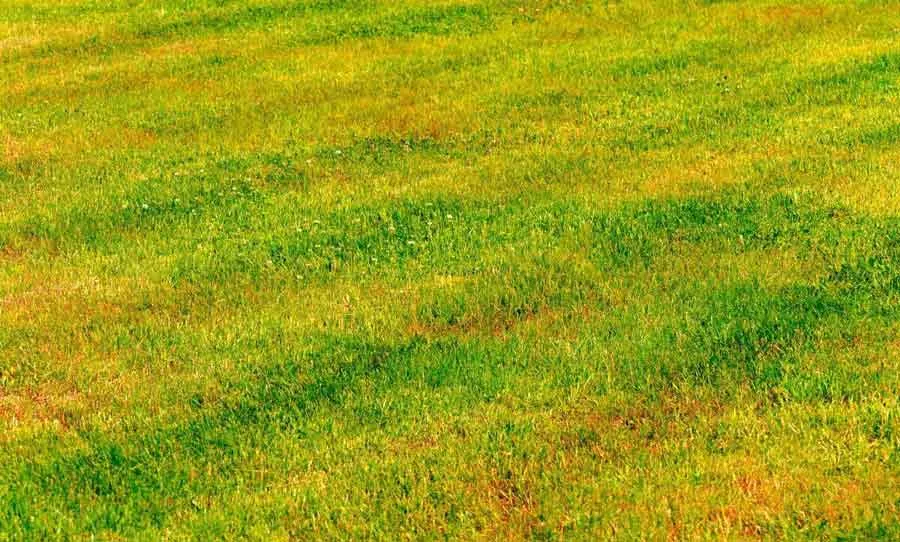
Also, bare specks that eventually spread into a thin and patchy lawn usually appear before the full bald spots form. You may notice that weeds rush into those gaps and this is one of the clearest signs that your lawn needs fertilizer. If the blades stay weak, even in areas that are well watered, then it is likely that a nutrient deficiency is behind it.
Seasonal Fertilization Guide: Spring, Summer, Fall & Winter
Different seasons come with their own peculiarities and you have to keep this in mind before applying fertilizer. This is what seasonal lawn care is all about. In early growth, you can apply a light spring fertilizer on your lawn to help the grass bounce back from winter and fill in any thin spots.
During months that are much hotter, you can make use of a modest summer feed to help keep color and also make it easier for the lawn to handle heat and foot traffic.
Once it’s fall, your lawn feeding has to be focused on deeper, root building formulas that will help to prepare the grass for cold weather. In many climates, winter is the quiet part of your year-round schedule and you may need to apply little or no fertilizer.
Cool-Season vs Warm-Season Grasses: Different Clocks, Different Needs
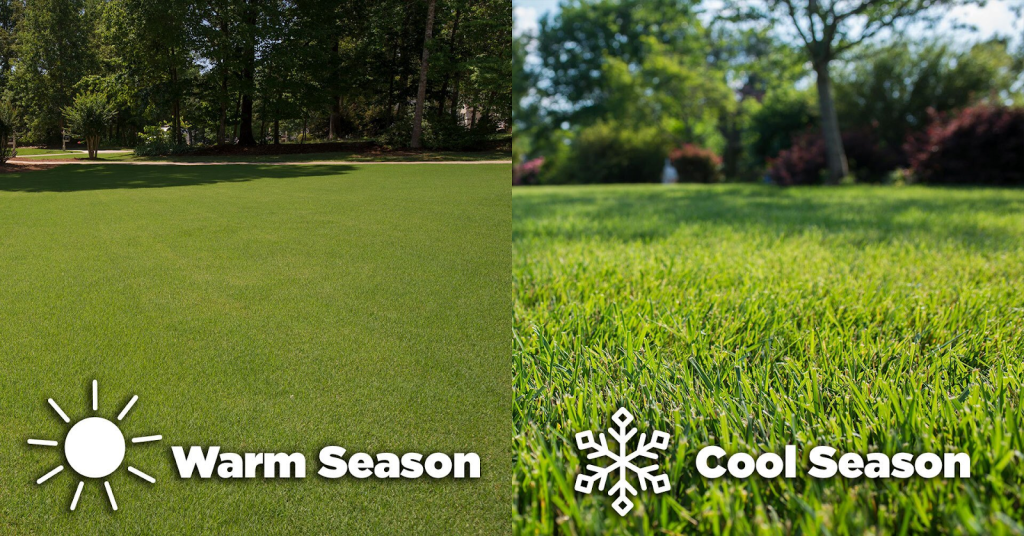
Most lawns usually fall into two families based on their climate suitability, and these are cool-season grasses and warm-season grasses. It is important that you know which of these families your grass belongs to, because each of them follow different fertilization calendars.
Cool-season lawns usually feel most alive in those crisp spring and fall stretches, while lawns with warm season grass are usually known to hit their stride once the late spring heat is able to settle in.
You should match the fertilizer to your grass type so that it is able to keep the colors consistent and the growth steady. You can check out a regional lawn schedule that has been put together by local experts so that you can know the best feeding windows that work best for your area.
Author’s Note: Check out our post on Fertilizing Tips For Healthy Grass Revealed: Essential Lawn Care Guide for fertilizer recommendations based on type of grass and much more.
Reading the Weather: How Conditions Affect Fertilizer Timing
Another factor you have to consider before fertilizing your lawn is the weather. So, watching the forecast before you spread your fertilizer can save you a lot of headaches. If heavy showers are on the way, then you may want to hold off on fertilizing, as there is a good chance that the rain will lead to runoff which will carry the nutrients off the lawn and into the streets.
Hot and dry spells usually cause a different problem. They lead to drought and place your grass under stress, and they cannot optimally use feed in this state. The best day to fertilize your lawn is usually when the temperatures are mild, when the soil is slightly damp, and when you don’t expect any heavy rainfall.
Soil Tests & Other Factors That Shape Your Schedule
It’s a good idea to perform routine soil tests on your lawn. The results of your soil test will usually show what nutrients are missing. They will also reveal the pH level of your lawn, and this will usually give you an idea of what your grass needs so you can know the right product to give and time it properly as well.
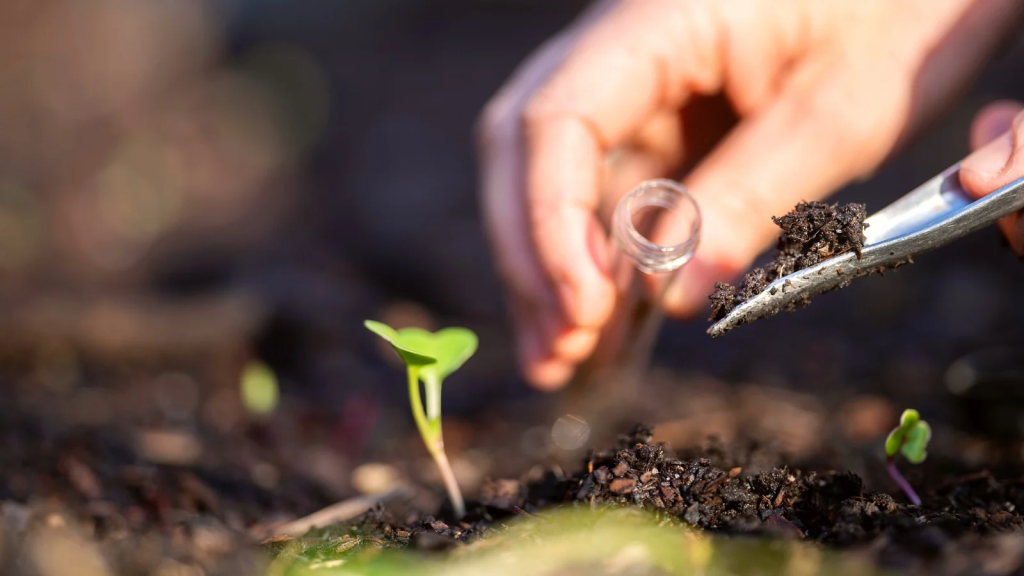
The soil type also influences how often you need to fertilize. Sandy soil usually drains quickly and this causes it to lose nutrients, which means that it will require more frequent fertilization in smaller amounts. However, clay soil tends to hold onto nutrients better and therefore will need less fertilizer application. Shade, heavy activity, and lawn age are also other factors that you need to consider when drawing up your custom fertilization plan.
Author’s Note: Check out the more accurate Mail-in Lab MySoil Soil Test Kit or the Convenient At-Home Rapitest Soil Test Kit for diagnosing nutrient deficiency and preparing your soil for the planting season!
Common Timing Mistakes to Avoid
There are some common timing errors that many people make and you need to try your best to avoid doing the same. One of the most common is putting granular fertilizer down just before a big storm happens.
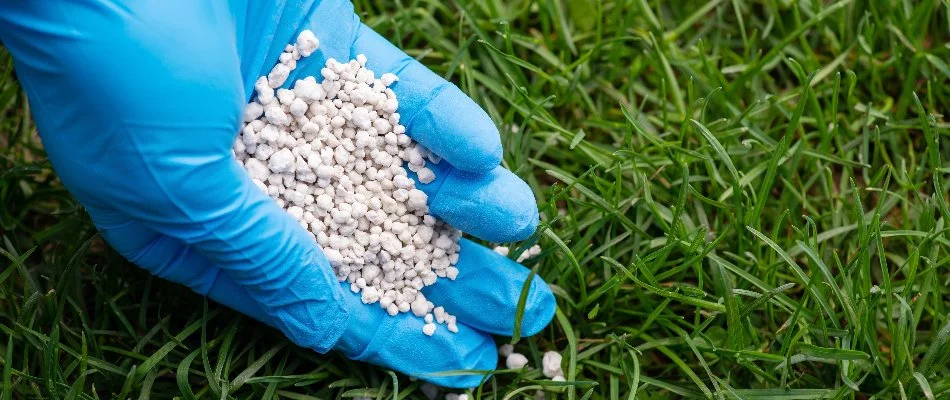
As we have mentioned earlier, this will wash the fertilizer into drains and leave the yard hungry again.
Another habit that usually causes problems is slowly over-fertilizing your grass through extra passes in “problem spots” or topping off in between recommended dates, and this can lead to fertilizer burn. Also, feeding your lawn when it is dormant is not a good idea because the roots are barely active.
How to Build Your Own Fertilization Calendar
You can map out a simple and realistic lawn care calendar based on the three details that matter most: your grass type, the local weather patterns, and your soil test results. With that, your fertilizer schedule should be tailored to avoid feeding during frost or periods of intense summer stress, and instead, should match the periods of growth.
As part of your lawn care planning, you can make use of a notebook, app, or even a wall calendar to log the dates and products you used. When you are able to track all your lawn treatments through the year, it becomes a lot easier to repeat what worked and skip those applications that never seemed to help.
Keeping Your Lawn Healthy Between Fertilizer Applications
There are some habits you can incorporate in between fertilizing sessions to make your lawn healthier. One of the most important is keeping your mower set a little higher so that the blades are able to shade the soil and protect it from stress.
On each pass, make sure that you mow high and allow the clippings to drop so that they are able to break down and feed the lawn instead of being dumped into trash bags. You should also set up a deep, occasional watering schedule that soaks the root zone.
Seasonal aeration also comes with its own benefits, as it allows nutrients to move deeper into the soil instead of leaving them close to the surface.
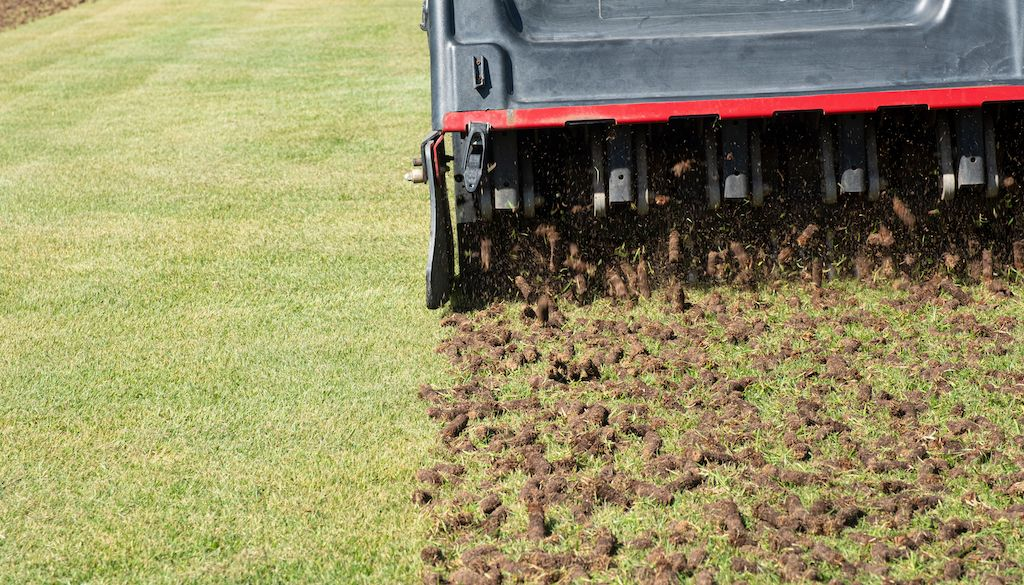
Author’s Note: Check out our post on Expert Lawn Aeration Techniques for a Healthier, Greener Yard which provides a deeper look at aeration and its benefits.
Eco-Friendly Timing: Feeding Your Lawn Responsibly
Feeding your lawn in an eco-friendly manner is always the best option. The fertilizer you apply should always go down on dry ground, with no heavy rain in the forecast. This allows the granules to have time to settle into the soil properly.
Also, it is important that you space the feedings away from storms to help reduce fertilizer runoff towards curbs and storm drains. Responsible fertilizing also means applying only on unfrozen and unsaturated soil. This ensures that the nutrients are available for plants to use them.
Over time, all of these habits help you to create a sustainable lawn that looks healthy without sending any extra nutrients into the local waterways.
Conclusion: Use Timing as Your Secret Lawn Superpower
Good lawn care actually comes down to timing that matches both what the grass is doing above and below the soil. As previously mentioned, cool-season and warm-season lawns respond best when the feeding coincides with their periods of active growth. When you keep this in mind, you will be able to achieve a lawn that looks lush green over time.
You must always observe how your lawn reacts after each application so that you can know what is working and what is not. Note any wins and missteps in a simple notebook or a phone note. Season after season, these notes will help shape your lawn care in the long term.
Choose your next feeding date with more intention, watch what changes and post the results in the comments below!